
Written By: Flipbz.org
Nigeria's beverage aisle looks, on the surface, like a battlefield of household names: Coca Cola, Pepsi, Guinness, Nigerian Breweries, Nestlé, all fighting for shelf space and share of throat. But the deeper story of 2026 is less about brand devotion and more about proximity, temperature and price. A bus conductor reaching for a cold drink in traffic rarely cares which logo is on the bottle, he cares that it is cold and within arm's reach. That single behavioural truth, more than any advertising campaign, explains why Nigeria's beverage market keeps rewarding whichever company can get a chilled product closest to the consumer fastest and cheapest.
The Flipbz Beverage Brands in Nigeria (2026) Market Report draws on publicly available information from Euromonitor International, industry research platforms and market intelligence sources, combined with Flipbz's own market analysis. The report does not rank or promote individual brands but examines the pricing, distribution and consumer behaviour forces shaping Nigeria's beverage market.
A Market Too Big to Ignore, Too Thirsty to Stay Loyal
Nigeria's carbonated drinks habit alone is enormous by volume even where loyalty is thin. Current estimates reflect that there are over 35 million daily drinkers of carbonated soft drinks in Nigeria, representing about 19.2% of the country population, and the Nigerian carbonated drink market is worth $4.8 billion per year in average consumption pattern. That scale of daily habit sits alongside a surprisingly casual relationship with brand identity, since millions of Nigerians still expend somewhere in the range of 2 and 4 bottles every day, even though aware of the ramifications of sugar and health concerns.
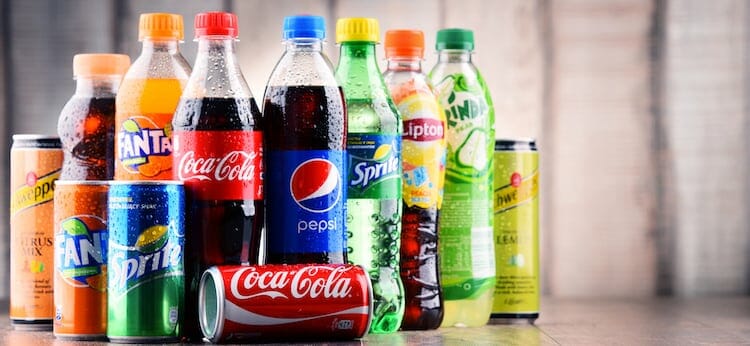
Despite dozens of names on shelves, actual demand is remarkably concentrated at the top. In 2024, Coca-Cola, Fanta, and Pepsi were the top three brands, accounting for a combined 70% of national demand, and even after accounting for every smaller challenger brand, the top 20 carbonated brands account for about 98% of total demand. Distribution power explains much of this concentration, since Nigeria's carbonated drinks landscape is dominated by the Nigerian Bottling Company (Coca-Cola, Fanta, Sprite) and Seven-Up Bottling Company (Pepsi, Mirinda, 7Up).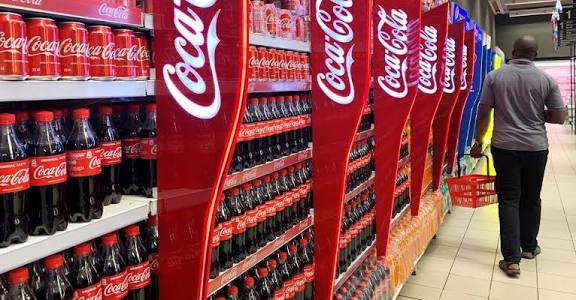
Price, Not Pedigree, Decides the Cart
Nigerian soft drink pricing reveals just how price sensitive the average buyer really is. A 33cl bottle typically ranges from N300 to N2,400, with leading carbonated drinks such as Coca-Cola, Pepsi, and Fanta retailing around N430, while newer brands sell at discounts of 13% to 26%. Challenger brands have leaned hard into a volume for value pitch rather than trying to out prestige the market leaders, since aggressive value positioning is common, with brands such as Bigi offering 60cl bottles for around N315.
That pricing pressure sits against a backdrop of tight household budgets. Most Nigerians spend under N5,000 weekly on soft drinks, with 87.5% falling below this threshold, while adults with children tend to spend substantially more, reflecting higher consumption in households with younger dependents. This is precisely why the more for less strategy behind bottles like Bigi has managed to carve out real share against decades old multinational names, without ever pretending to be more premium than them.
Beer's Quiet Power Shift
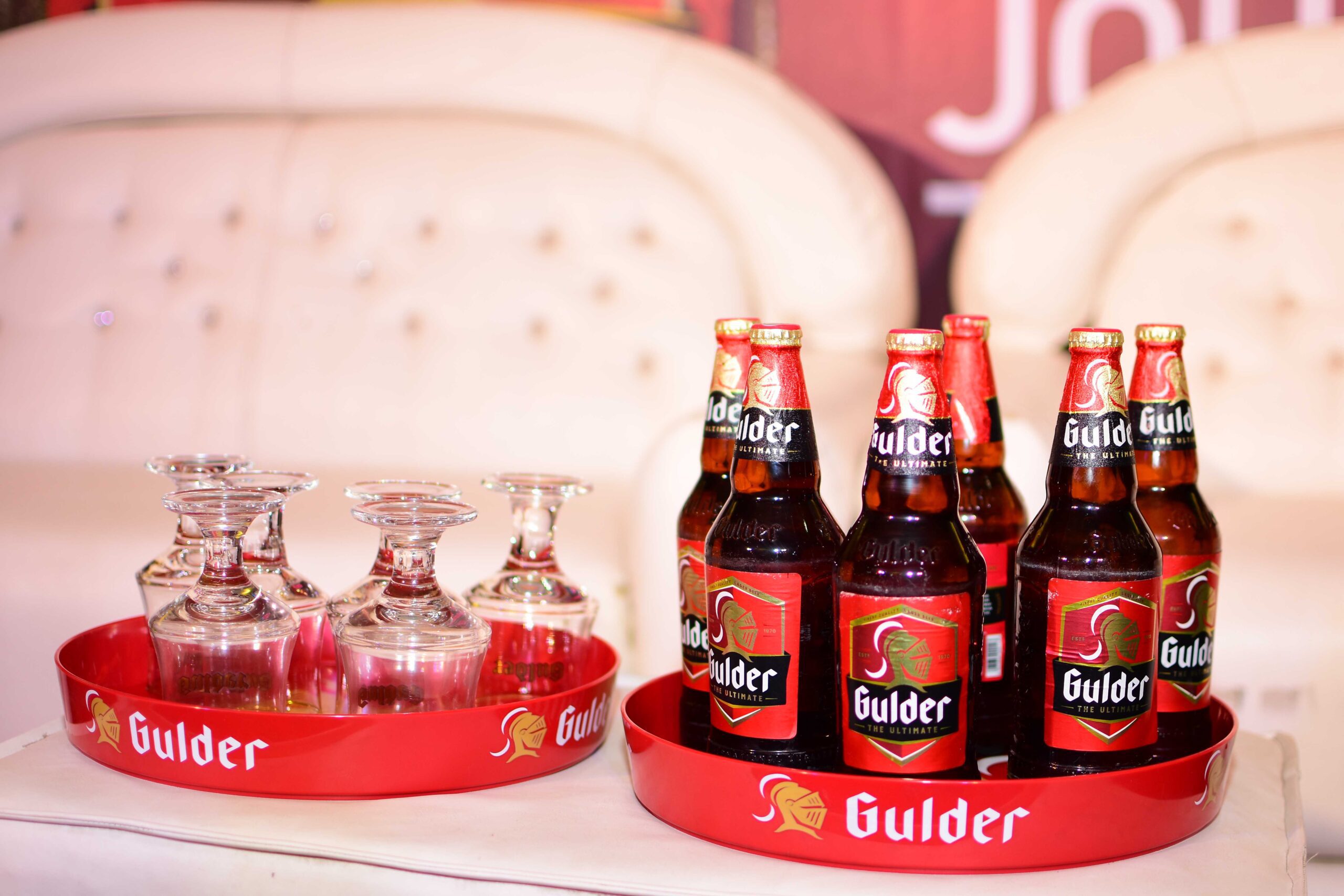
Nigeria's alcoholic drinks market tells a parallel story of concentrated dominance now facing genuine disruption. Nigerian Breweries had the most market share of 55.1 percent in the first quarter of 2024 from 52.6 percent in the same period of 2023, followed by International Breweries at 25 percent, up from 23.2 percent, while Guinness Nigeria Plc's share dipped to 18.8 percent from 23.1 percent, with Champion Breweries Plc retaining 1.1 percent. By full year revenue, the gap is even starker, since Nigerian Breweries made over N1.1 trillion in sales in 2024, more than International Breweries and Guinness Nigeria combined, while International Breweries earned N488.96 billion and Guinness Nigeria made N299.49 billion.
That leadership is no longer uncontested. Nigerian Breweries has vowed to fight very strongly to defend its dominant position amid intensified competition, following the entry of Singapore based conglomerate Tolaram through its takeover of Guinness Nigeria. Underneath this rivalry, the category itself is quietly shrinking in favour of something stronger, since demand for beer is gradually losing market share in Nigeria, with average yearly consumption now about 20% lower than the 2.5 million tons average of the early 2010s, dropping to a low of 1.8 million tons in 2022, as consumer preference appears to be shifting toward the spirits market. Even so, once a Nigerian drinker picks a beer brand, they tend to stay put, since 60% of beer consumers will always stick to their brand of choice and not be easily convinced to switch.
Energy Drinks: A Small Category Punching Above Its Weight
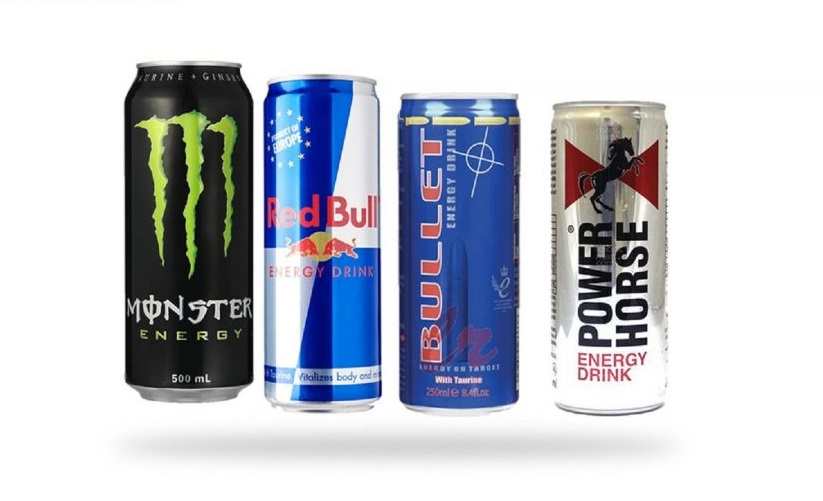
Nowhere is brand concentration sharper than in energy drinks, a fast growing corner of the beverage aisle aimed squarely at Nigeria's youth. Fearless emerged as the top energy drink by consumption, with 44% of consumers purchasing it in the week preceding a recent survey, while Predator follows at 29%, and Power Horse and Bullet register smaller shares of 5.8% and 5.2%, respectively. Together, the top 10 energy drink brands account for over 97% of consumer preference, signalling a highly concentrated market where only a few players dominate.
The audience driving this growth is unmistakably young, since youth drive demand with 71% of consumers aged 30 or younger, using energy drinks for studying, sports, parties, and casual daily boosts. Consolidation is already reshaping the category, since in August 2025, Champion Breweries agreed to acquire the Bullet Energy Drink brand, expanding its beverage portfolio and strengthening its presence in the Nigeria energy drinks industry. The category's overall value remains modest compared to soft drinks or beer, with the Nigeria energy drinks market reaching an approximate value of USD 255.50 million in 2025, projected to grow at a CAGR of 6.20% between 2026 and 2035.
Juice, Milk and the Rise of Everyday Nutrition Drinks
Beyond soda, beer and energy drinks, a quieter but sizeable battle plays out in the non carbonated aisle, where health positioning matters more than novelty. In the non carbonated category, 5 Alive leads with 19.3% market share, while milk and yoghurt drinks are also significant contributors, with Nutrimilk at 12.6%, Chivita at 12.1%, and Hollandia at 11%. This segment has not been immune to economic pressure, since volume sales of ready to drink products recorded a significant double digit decline in 2024, largely due to the difficult economic environment, which severely weakened consumer purchasing power, while inflation drove sharp increases in average unit prices, by nearly 50%, pushing many brands beyond the reach of a large share of households.
That squeeze has kept an older, humbler product format relevant, since concentrates remain a relatively small and less dynamic category within soft drinks, yet continue to play a resilient role as an affordable alternative to ready to drink juice for price sensitive households.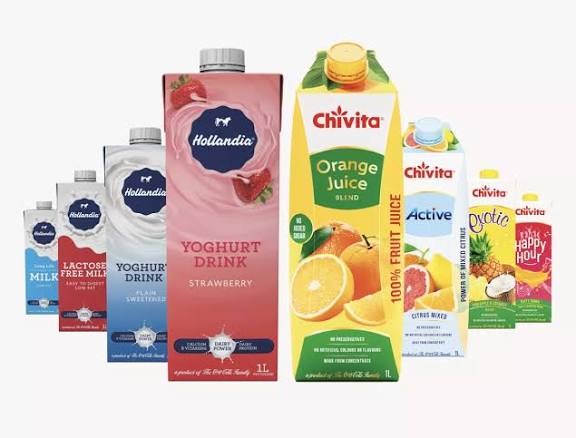
What Actually Moves a Nigerian Consumer
Temperature and Availability Over Brand Name
For everyday purchases, especially soft drinks bought on the street, whichever bottle is coldest and closest usually wins the sale, a reality that rewards distribution reach and refrigeration infrastructure more than advertising spend.
Price Per Volume
Buyers consistently compare cost against quantity, which is why brands offering more drink for less money have been able to win shelf space against far older, more recognised names.
Weekly Household Budget Limits
With most spending capped well under a few thousand naira a week, beverage purchases compete directly against other small daily expenses, keeping price sensitivity high across almost every income bracket.
Occasion Specific Loyalty
Beer drinkers tend to stay loyal to one brand once chosen, while soft drink and energy drink buyers switch far more freely depending on price, mood and what is available nearby at that moment.
The Rise of Informed Beverage Buyers
Nigerian consumers, particularly younger ones, are increasingly comparing options before settling on a drink. Common searches include:
Cheapest soft drink prices in Nigeria 2026
Coca Cola versus Pepsi taste and price comparison
Best energy drink for studying in Nigeria
Nigerian Breweries versus Guinness versus International Breweries
Chivita versus Hollandia versus 5 Alive
Beer prices in Lagos bars 2026
This growing research culture, amplified by price comparison posts and social media reviews, is quietly reshaping which brands new buyers try first.
Challenges Facing Nigeria's Beverage Industry
Currency and input cost pressure remain a constant strain across every category, since many beverage inputs are still imported or dollar linked, meaning naira depreciation feeds directly into retail prices from soft drinks to energy drinks. Some manufacturers are working around this directly, since aluminium can suppliers are negotiating contracts in naira to stabilise procurement costs, reshaping the entire Nigeria energy drinks market dynamics.
Shrinking household purchasing power has already shown up in real volume declines rather than just slower growth, particularly in the ready to drink juice segment described above, where inflation pushed many established brands out of reach for a large share of buyers.
Localisation gaps continue to shape competitiveness, since brands that once depended heavily on imported concentrates are now evaluating regional blending facilities, supported indirectly by the Nigerian government's backward integration policies in food and beverage processing, which encourage domestic value addition and job creation.
Market Outlook for 2026 and Beyond
Investment into Nigeria's beverage sector remains strong even amid economic headwinds. The Coca-Cola System announced a bold $1 billion investment in Nigeria over five years, targeting everything from suppliers and retailers to recyclers. Regional trends point toward continued expansion in adjacent categories too, since the African functional beverage market was projected to grow at a 7.9% CAGR by 2027.
Product development is increasingly shaped by health conscious, flavour curious younger consumers. Fusion flavours, herbal blends, and local fruit infusions are becoming more popular, with companies working with influencers and chefs to promote originality, while packaging choices are shifting too, since packaging formats that are eco friendly and single serve are gaining favour. Even in fast growing niches like energy drinks, wellness concerns are reshaping product lines, since health awareness is slowly rising among Nigeria's urban middle class, and the introduction of zero sugar options is no longer optional.
Conclusion
Nigeria's beverage market in 2026 is not defined by a single dominant winner but by which company can consistently put a chilled, affordably priced product within reach of a thirsty, price conscious population. Coca Cola and Pepsi's grip on soft drinks, Nigerian Breweries' scale advantage in beer, Fearless and Predator's hold on the energy drink youth market, and Chivita and Hollandia's steady presence in everyday nutrition all pull at different corners of a market where loyalty is real but rarely absolute. The brands that keep growing from here will likely be those that master distribution, temperature and price before they worry about prestige.
About this Report
The Flipbz Beverage Brands in Nigeria (2026) Market Report is an independent editorial publication prepared using publicly available information from Euromonitor International, industry research platforms and market intelligence sources, together with independent market analysis by Flipbz. It is intended to provide market insight and does not constitute purchasing advice.
Please register to comment.
With these components in place, your business...
SolidBase Builders Limited is a professionall...
PrimeStone Construction Nigeria Ltd is a well...
CrestRock Engineering Services Ltd is a scala...
Open the Listing model file located in the ap...
Discover promising partnership opportunities in various industries.
Pitch Your Startup | Find Partners
.jpg)

.jpg)


Comments