
Written By: Flipbz.org
Unlike detergent or seasoning cubes, the washing machine is not yet a universal fixture in Nigerian homes, it remains, for millions of households, an aspiration rather than an appliance already sitting in the corner of the bathroom or kitchen. In 2026, the category's real story is not brand rivalry in the traditional sense, it is a market quietly being reshaped by three forces at once, unreliable electricity that decides which machine actually works in a Nigerian home, a stubborn preference for twin tub simplicity over fully automatic convenience, and a small cluster of distributors fighting hard to convert hand washing households into first time buyers.
The Flipbz Washing Machine Brands in Nigeria (2026) Market Report draws on publicly available information from Euromonitor International, industry research platforms and market intelligence sources, combined with Flipbz's own market analysis. The report does not rank or promote individual brands but examines the pricing, energy and consumer behaviour forces shaping Nigeria's washing machine market.
A Market Still Being Built From a Very Low Starting Point
Nigeria's washing machine market is unusual among the country's consumer categories because its biggest opportunity is not switching customers between brands, it is reaching households that do not yet own the appliance at all. Comparative ownership data puts this plainly, noting that in Kenya and Nigeria, less than 40% of households own a washing machine, compared to the United States and Russia, for example, where the same index is over 80% and over 90%, respectively. That gap exists despite growing urban demand, since hand washing is still widespread, especially in rural regions, even as urbanized areas of Africa gain greater access to modern household appliances and laundry services.
Distribution structure has organised itself around a small number of dominant importers and assemblers rather than a wide field of equal competitors. Market tracking shows that the home laundry appliances landscape remained concentrated in 2025, with a few leading companies dominating overall, with Airflow Engineering Works leading with 44% retail volume share driven by the Hisense brand, followed by PZ Cussons Nigeria at 17% through Haier, and Fouani Nigeria at 17%, supported by LG's 16% brand position. That concentration means most of the buying decision Nigerians actually face is not between dozens of names, but between the handful of distributors who have built genuine after sales networks across the country.
The Brands on Nigerian Shelves Today
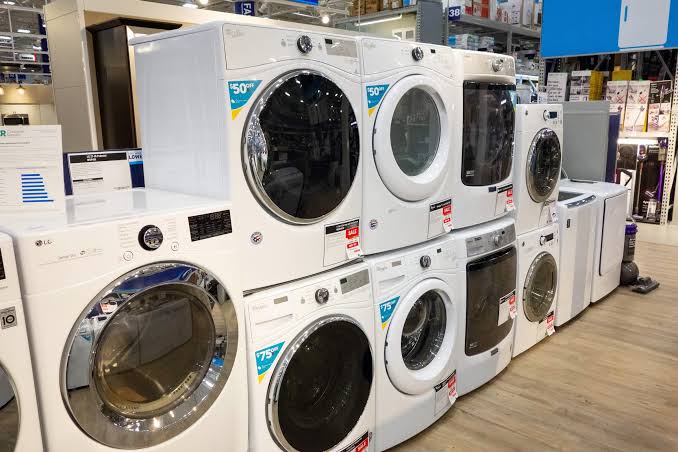
Today's washing machine shelf spans premium multinational names, dependable mid tier value brands, and a wide field of budget twin tub specialists built specifically for Nigerian conditions. Industry comparisons place the market into clear tiers, describing Premium Leaders as LG at 25 percent, Samsung at 20 percent and Panasonic at 10 percent, Value Champions as Hisense at 15 percent and Haier Thermocool at 12 percent, and Budget Options as Skyrun at 8 percent, Polystar at 5 percent and Century at 3 percent.
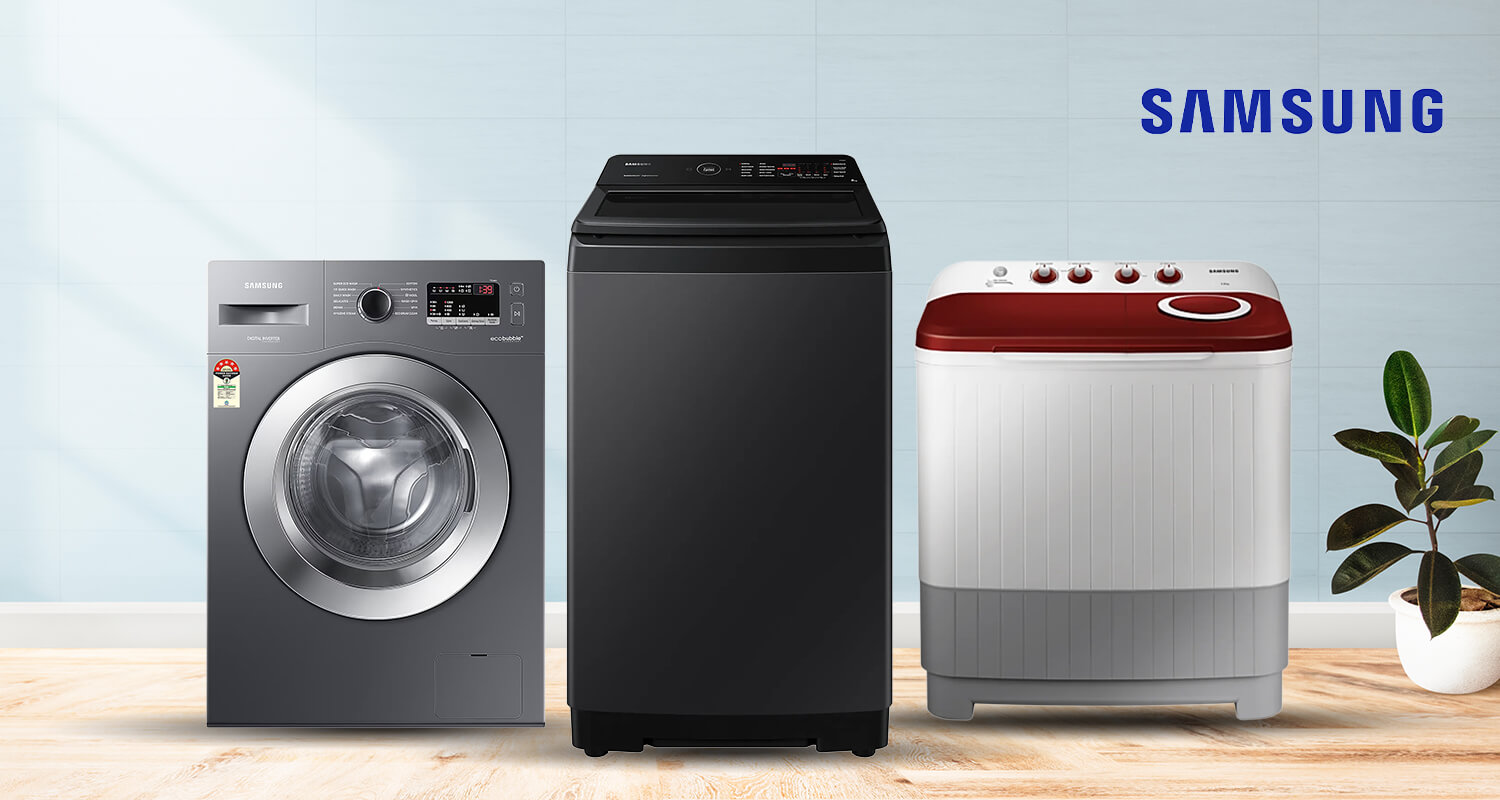
LG has built its reputation around performance and fabric care technology, with the brand's Vivace series a top pick for its silent operation and AI DD technology that senses the softness of your fabric to prevent damage. Samsung has leaned into premium washing performance and quiet operation, known for premium washing technology and detailed features like Ecobubble technology, which dissolves detergent quickly for effective cold water washing, saving electricity. Hisense, meanwhile, has become the brand most associated with genuine value for money in the Nigerian context, widely described as the best value-for-money washing machine brand in Nigeria, offering the best pricing across all categories, twin tub, automatic, front load, while working perfectly on generators and low-voltage lines.
Beyond these three, brands like Haier Thermocool, Nexus, Binatone, Bruhm and Scanfrost dominate the budget and semi automatic segment, a tier that remains commercially critical given how price sensitive most first time buyers are. Haier Thermocool's top load machines in particular are known for their robust build and straightforward operation, easy to use, easy to maintain, and able to handle large loads reliably, a positioning built specifically around durability rather than advanced features.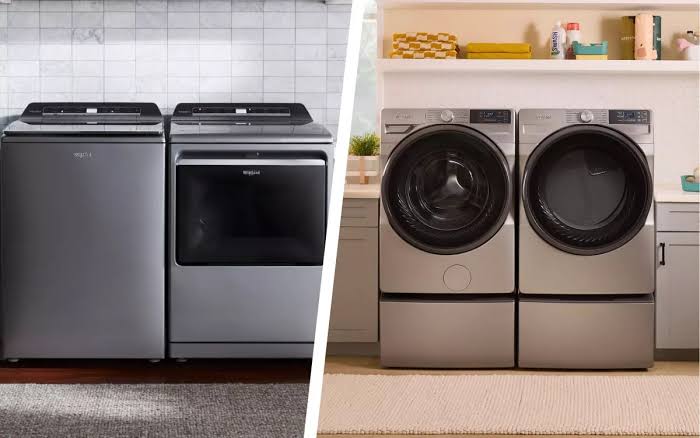
Why Nigeria's Power Supply Now Decides Which Machine Wins
Perhaps no single factor shapes buying decisions in this category more than Nigeria's unreliable electricity supply, a constraint that quietly filters out entire categories of machine before price is even considered. Industry analysis notes plainly that residential electricity supply in several cities of the country on average is less than seven hours per day, which has encouraged appliance manufacturers to come up with items that can run on generators, solar systems, or even with fluctuating voltage conditions. Global manufacturers have responded directly, since LG Electronics unveiled energy-saving inverter refrigerators and washing machines made especially for African markets, appliances operable at low voltage and utilizing less power during frequent outages.
This power reality is precisely why twin tub machines have kept such a firm hold on the Nigerian market rather than being phased out by more modern fully automatic designs. Product forecasts for the wider region confirm this pattern, with twin-tub forecasted to achieve the highest growth and remain the most lucrative product segment through the forecast period across the Middle East and Africa washing machine market. The appeal is entirely practical, since twin tub washers work well even with irregular water supply, a common reality in many Nigerian homes, and most twin tubs and some top loaders can run on small generators, unlike many fully automatic front loaders that demand stable water pressure and continuous power.
Running cost adds another layer of hesitation for households weighing whether to buy at all. Electricity use estimates show that front-loading models use 50-200 kWh monthly depending on capacity and usage frequency, whilst top-loaders can consume up to 300 kWh if you wash daily, with most Nigerian households washing 2-3 times weekly, averaging 80-120 kWh monthly, a real and recurring cost on top of the machine's purchase price itself.
What Nigerian Consumers Consider Before Choosing a Washing Machine Brand
Compatibility With Generators and Low Voltage Power
For most first time buyers, whether a machine can survive Nigeria's power realities matters more than any advanced feature, which is why brands marketed as working perfectly on generators and low-voltage lines consistently outsell more feature heavy alternatives among budget conscious households.
Water Pressure Requirements
Because water supply is inconsistent in many Nigerian homes, buyers weigh format carefully, since twin tubs do not require pressure, while front loaders need very stable water flow, a distinction that often decides the purchase outright regardless of brand preference.
Price and Capacity Fit
Affordability relative to household size drives much of the category's actual sales, with buyers advised to choose based on family size, since overloading strains the drum and motor, especially for twin tub machines, making correct capacity selection as important as price itself.
After Sales Service and Repair Access
Given how concentrated distribution is among a handful of major importers, buyers increasingly favour brands with established local service networks, since LG, Samsung, Hisense, and TCL have established service networks, making life easier when servicing or warranties kick in.
The Rise of Informed Washing Machine Buyers
Nigerian households, increasingly weighing both cost and practicality, are researching more carefully before choosing a washing machine brand. Common searches include:
Best washing machine for low water pressure in Nigeria
LG vs Samsung vs Hisense washing machine comparison
Cheapest twin tub washing machine prices in Nigeria
Best washing machine that works with generator
Washing machine price list 2026
Semi automatic vs fully automatic washing machine Nigeria
This growing research culture, amplified by electronics store blogs and social media reviews, continues to shape which brands earn first time buyer trust.
Challenges Facing Nigeria's Washing Machine Industry
Low market penetration remains both the industry's biggest challenge and its clearest growth opportunity, since ownership levels sitting under 40 percent of households mean most manufacturers are still competing to convert hand washing households rather than fighting over existing machine owners.
Electricity and water infrastructure gaps continue to shape which product formats can even be sold successfully, since unstable power supply and inconsistent water pressure rule out certain fully automatic models for large parts of the country, keeping simpler twin tub designs commercially relevant even as technology advances elsewhere.
Currency exposure adds further pressure on pricing, since most washing machines sold in Nigeria are imported, meaning naira depreciation feeds directly into retail prices ranging from budget twin tubs to premium smart connected models.
Market Outlook for 2026 and Beyond
Nigeria's washing machine category is projected to grow faster than any other market in its region over the coming years. Regional forecasting identifies Nigeria as the fastest-growing market in the Middle East and Africa washing machine category, projected to reach USD 0.68 billion by 2033. That growth sits within a broader regional trend, since the Africa Laundry Appliances Market is projected to grow at a compound annual growth rate of 6.6 percent during 2025 to 2031, fuelled by rapid urbanization among other factors.
Product innovation aimed specifically at Nigerian conditions is expected to keep accelerating this growth. Manufacturers are increasingly focused on machines that can operate even when the electricity supply is unstable, with refrigerators and washing machines featuring smart load sensors becoming more popular as companies design specifically around the realities of frequent power outages. Even so, structural barriers remain firmly in place, since variations in consumer purchasing power across regions may limit access to advanced laundry technologies, and traditional laundry methods still prevail in some areas, potentially slowing the transition to modern appliances, a reminder that this category's growth curve will likely stay gradual rather than explosive.
Conclusion
Nigeria's washing machine market in 2026 remains defined less by which brand wins loyal customers and more by which brand can actually convince a hand washing household to buy its first machine at all. Hisense's affordability and generator friendliness, LG and Samsung's premium performance, and Haier Thermocool's rugged simplicity all pull at different segments of a market still working from a low ownership base. With unreliable power and water infrastructure still deciding which machines even function reliably in Nigerian homes, the brands that grow fastest from here will likely be those engineering specifically for Nigeria's daily realities, not just importing what already sells well elsewhere.
About this Report
The Flipbz Washing Machine Brands in Nigeria (2026) Market Report is an independent editorial publication prepared using publicly available information from Euromonitor International, industry research platforms and market intelligence sources, together with independent market analysis by Flipbz. It is intended to provide market insight and does not constitute purchasing advice.

Please register to comment.
With these components in place, your business...
SolidBase Builders Limited is a professionall...
PrimeStone Construction Nigeria Ltd is a well...
CrestRock Engineering Services Ltd is a scala...
Here is an oppotunity to buy a money machine,...
Discover promising partnership opportunities in various industries.
Pitch Your Startup | Find Partners
.jpg)



Comments