
.jpg "Not Corn Flakes: The 1986 Nigerian Invention Quietly Beating Kellogg's on the Breakfast Table")
Written By: Flipbz.org
Breakfast cereal is one of the strangest success stories in Nigerian retail, because it is not, and never has been, a Nigerian food tradition. Long before Kellogg's or Nestlé arrived, mornings in Nigeria belonged to akara, akamu and pap, and industry observers still note plainly today that breakfast cereals are not traditional Nigerian food products, given Nigerians favour traditional breakfasts such as akara and akamu. Yet against that backdrop, the category has grown into a genuine commercial battlefield, and the twist that makes 2026 worth paying attention to is who is actually winning the sentimental battle. It is not the global multinational with the biggest marketing budget, it is a homegrown maize and soya cereal that barely resembles a Western corn flake at all, one that was born in 1986, and has since grown into the most consumed cereal in Nigeria.
The Flipbz Breakfast Cereal Brands in Nigeria (2026) Market Report draws on publicly available information from Euromonitor International, industry research platforms and market intelligence sources, combined with Flipbz's own market analysis. The report does not rank or promote individual brands but examines the pricing, growth and consumer behaviour forces shaping Nigeria's breakfast cereal market.
A Category Growing Faster Than Almost Anyone Expected
Despite starting from a position of cultural resistance, Nigeria's breakfast cereal market has become one of the more consistently fast growing food categories in the country. Market tracking shows revenue in the Breakfast Cereals market amounting to US$2.51 billion in 2024, expected to grow annually by 13.53% between 2024 and 2028, a pace that would take the market to a market volume of US$4.17 billion in 2028. More recent tracking confirms the momentum has not faded, since retail current value sales of breakfast cereals in Nigeria saw further double digit growth in 2025, albeit slower than in 2024 as inflationary pressure eased, but remained strong. Volume sales have followed the same encouraging path, with the category seeing an improved performance in retail volume sales terms in 2025, rebounding from two years of decline.
Nigeria's appetite for cornflakes specifically also stands out on a global map that few would expect. Industry analysis of the wider category notes that cornflakes and oats or oat porridge is the cereal subcategory with the highest global penetration, driven most by Ireland, South Africa, and Nigeria. That is a genuinely surprising cluster for a country where cereal is still, by most accounts, an imported habit rather than an inherited one.
The Brands Actually Fighting for the Bowl
Nigeria's cereal shelf has long been described as a contest between a small number of dominant players rather than a crowded field. Industry tracking of the category's value share found Kellogg Co maintaining its lead in breakfast cereals, clinching a value share of 23 percent with a broad portfolio that covers several categories and includes a number of global brands with high quality reputations, though the same analysis noted Kellogg's brands are premium priced and are generally only consumed by middle to upper income earners, exposing it to recession pressure and a loss of a percentage point of share. Behind Kellogg's, Nestlé Nigeria ranked second with a value share of 16 percent, thanks to the popularity of its Golden Morn brand, while Nasco Group rounded out the top three with an 11 percent value share, as its locally produced Nasco brand is price competitive.
Brand quality perception tells a slightly different story from pure value share. A consumer brand health survey found Quaker Oats and Kellogg's Corn Flakes rated highly at 86% and 85% good quality respectively, with Nestlé Milo Cereal close behind at 84% good quality, ahead of Nasco at 79%. Nasco's positioning as Nigeria's original indigenous cereal carries its own weight, since the brand was launched in 1983 and introduced to the Nigerian market in 1985, making it the first indigenous cereal brand in the country, even though the same survey found Nasco has the highest percentage of poor quality among the top rated breakfast cereal brands, at 7 percent.
But when researchers shift from asking about quality to asking which brand consumers actually prefer, one name keeps returning to the top. Repeated brand tracking work has found that Golden Morn remains the top brand on both quality and brand preference metrics, almost a year later. That staying power is rooted in a genuinely local story, since Golden Morn is a nutritious and tasty cereal made from whole original Naija maize and soya, first introduced in Nigeria more than 24 years ago, with every grain sourced from farms in Nigeria.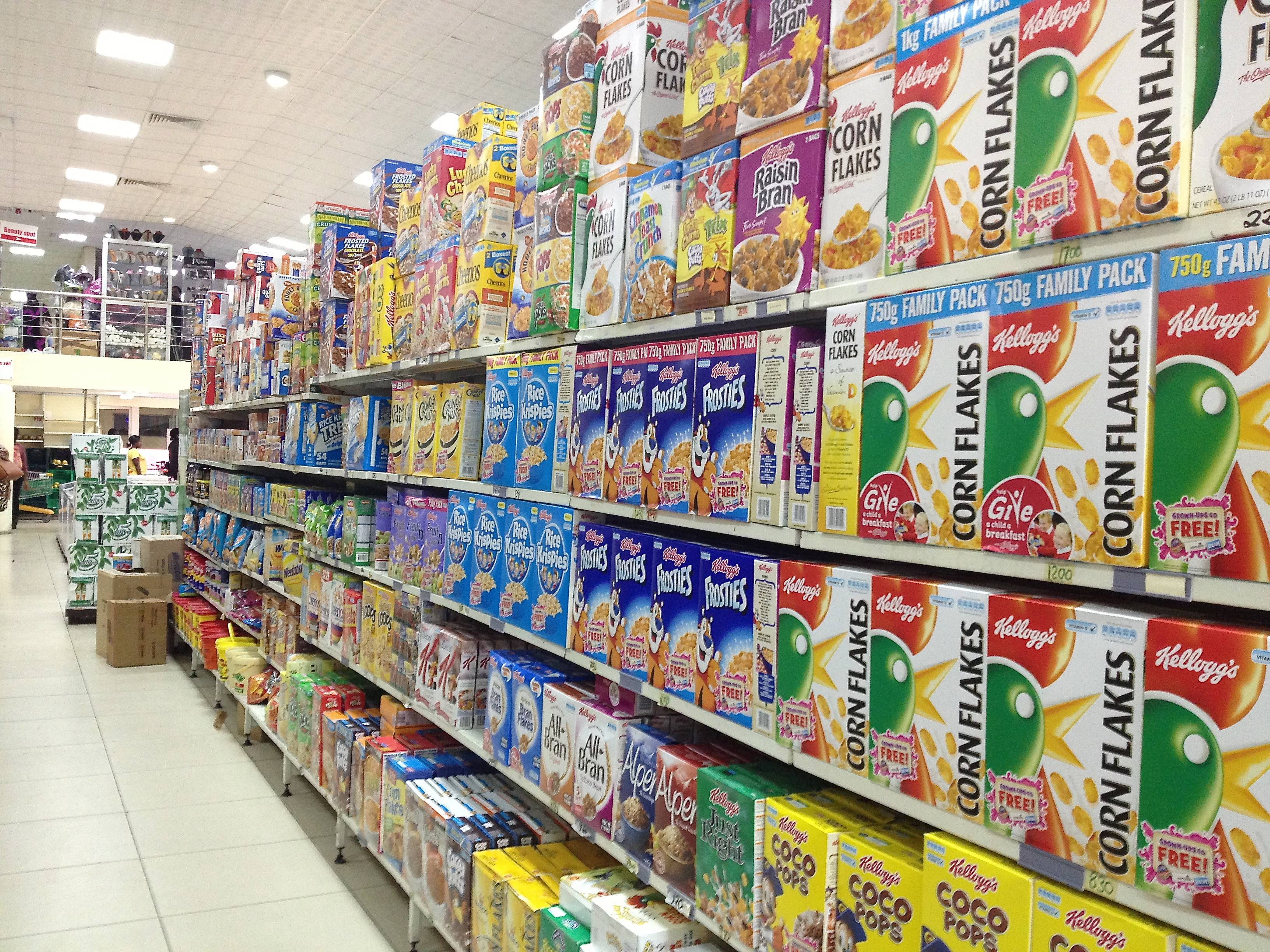
Why a Foreign Habit Had to Fight for Its Place at the Table
Cereal's growth in Nigeria has never been about replacing tradition outright, it has been about winning over a generation that grew up somewhere between the two worlds. One widely told account from the industry captures this shift clearly, describing a young Nigerian mother whose breakfast growing up was equated to either the Quaker White Oats brand or Nestlé's Golden Morn brand, even though her own parents, who grew up in the village, remained great fans of akara and akamu for breakfast. That same generational handoff continues today, since her own children later discovered Kellogg's Coco Pops through interactions in school and fell in love with the product, a small but telling sign of how school playgrounds, not just advertising, are quietly shaping which brands the next generation of Nigerian households will trust.
Nestlé has leaned directly into this affordability gap rather than fighting it. The company's newest launch was built specifically to address it, since Nestlé Nigeria launched Golden Morn 3in1, Nigeria's first fully ready to eat cereal, combining Nigeria's favorite Maize and Soya cereal with milk, requiring only the addition of water to serve a complete meal. The pricing behind that launch speaks to how seriously affordability is being taken, with the company noting that with no fewer than 172 million Nigerians unable to afford a healthy diet, the product retails at an affordable N300, fortified with iron and vitamins to support immunity while providing protein, calcium and fibre. That single innovation, the company says, reduces the cost of having a nutritious Golden Morn meal by up to 32 per cent.
What Nigerian Consumers Consider Before Choosing a Cereal Brand
Price Relative to Household Budget
With most cereal ingredients imported, shoppers weigh every purchase against currency pressure, favouring brands like Nasco that have built a reputation for being price competitive against premium multinational alternatives.
Whether It Feels Like a Real Meal, Not Just a Snack
Nigerian households increasingly favour cereals that double as a filling meal rather than a light snack, which is part of why maize and soya based options built around local staples have kept their edge over sugar coated Western style flakes.
Brand Familiarity From Childhood
Many buyers choose the same brand their own household grew up with, a loyalty pattern strong enough that even newer entrants often win over children first, through school and peer exposure, before winning over the parents who do the actual shopping.
Where It Can Be Bought Conveniently
Supermarket accessibility plays a bigger role than many brands admit, since cereal buyers in Nigeria have elected Shoprite as their top favourite supermarket brand for cereal purchases, with Market Square and Spar coming respectively second and third.
Who Is Actually Buying Cereal in Nigeria
Cereal consumers in Nigeria look demographically distinct from the general population in ways that matter for how brands market the category. Consumer panel research comparing cereal eaters against the wider population found they are under represented among 18 to 25 year olds, slightly more represented among women, and belong to a higher social group, with 45% falling into social economic class A compared to 26% of the general population. The same research found cereal consumers consume more dairy products including yogurts, at 74% versus 58% of the general population, and show a stronger preference for organic products, at 61% versus 55%.
That skew toward higher income, more health conscious households helps explain why premium and functional formats are becoming a bigger part of the category's forward story, even while budget brands like Nasco continue to anchor the mass market.
What a Box Actually Costs
Pricing across Nigeria's cereal shelf spans a wide range depending on brand, pack size and import exposure. Smaller Nasco sachets sell for as little as ₦102, discounted from ₦130, while larger family sized Nasco boxes have been listed between ₦2,993 and ₦3,135. Kellogg's, positioned firmly at the premium end, has been priced around ₦1,320, discounted from ₦1,664 for a standard pack, roughly in line with broader retail listings showing corn flakes products available from around ₦2,500 upward across verified sellers. At the newer, deliberately affordable end of the market, Golden Morn 3in1 was launched retailing at just N300, a price point built specifically to compete with, rather than sit above, the household budgets that have historically kept cereal out of reach for many Nigerian families.
Challenges Facing Nigeria's Breakfast Cereal Industry
Import dependence remains the industry's most persistent structural weakness, since breakfast cereals in Nigeria is still growing, but it has been negatively impacted by the downturn in the economy as most products, or their ingredients, are imported, a vulnerability that ties retail prices directly to currency swings well beyond any single brand's control.
Inflation has also constrained how much households are willing or able to spend, since even in a growing market, retail volume growth was limited by persistent poor conditions, in particular still high inflation, which constrained consumer spending power.
Cultural competition never fully disappears either, since cereal is still fighting for a permanent place against breakfast habits that predate it by generations, a reality that keeps growth steady rather than explosive no matter how much marketing muscle multinationals bring to the shelf.
Market Outlook for 2026 and Beyond
Nigeria's breakfast cereal category is entering a phase where economic recovery, not just marketing spend, is expected to unlock the next wave of growth. Industry forecasting suggests breakfast cereals in Nigeria is expected to see a boost in competitive activity, which will likely drive performance over the forecast period, with the local currency stabilising and the economy improving creating greater opportunities for local players to introduce new varieties that appeal to local tastes. That recovery is expected to shift what consumers reach for, since improved consumer incomes are expected to boost affordability, leading consumers to be more willing to spend on higher priced, higher quality products.
Growth is not expected to be evenly spread across every segment. Forecasts point to muesli and granola posting the best performance from a low base over the forecast period, driven by improving economic conditions and greater visibility in modern grocery retailers, while other ready to eat cereals and children's breakfast cereals continue to drive overall growth. Layered against that, the wider market's own trajectory toward roughly US$4.17 billion by 2028 suggests the next few years will reward brands that can localise fastest, whether that means new flavours, smaller affordable pack formats, or ready to eat products built around ingredients Nigerian households already trust.
Conclusion
Nigeria's breakfast cereal market in 2026 is a rare category where the biggest brand story isn't about a multinational conquering a new market, it's about a homegrown maize and soya cereal quietly out loving Kellogg's in the hearts of the households that matter most. Kellogg's still commands premium value share, Nasco still wins on price and heritage as the country's original indigenous brand, but Golden Morn's staying power as Nigeria's most consumed and most preferred cereal tells the real story of this category, that in a market built on a foreign breakfast habit, the brand that felt most like home won anyway.
About this Report
The Flipbz Breakfast Cereal Brands in Nigeria (2026) Market Report is an independent editorial publication prepared using publicly available information from Euromonitor International, industry research platforms and market intelligence sources, together with independent market analysis by Flipbz. It is intended to provide market insight and does not constitute purchasing advice.
Please register to comment.
With these components in place, your business...
SolidBase Builders Limited is a professionall...
PrimeStone Construction Nigeria Ltd is a well...
CrestRock Engineering Services Ltd is a scala...
Complete multi-currency online banking websit...
Discover promising partnership opportunities in various industries.
Pitch Your Startup | Find Partners

.jpg)



Comments