
.jpeg "Tomato Paste Brands in Nigeria (2026): Flipbz Market Report on Household Demand, Pricing and Consumer Preferences")
Written By: Flipbz.org
Tomato paste holds a position in Nigerian kitchens that few other packaged foods can claim, it is the base note of jollof rice, stew and countless everyday dishes, purchased almost daily by households across every income bracket. In 2026, the category's defining story is not simply brand rivalry but a deeper structural tension between local tomato scarcity, an import ban meant to protect domestic manufacturers, and the persistent, unresolved question of product authenticity on store shelves.
The Flipbz Tomato Paste Brands in Nigeria (2026) Market Report draws on publicly available information from NAFDAC, industry research platforms and market intelligence sources, combined with Flipbz's own market analysis. The report does not rank or promote individual brands but examines the pricing, regulatory and consumer behaviour forces shaping Nigeria's tomato paste market.
A Market Built on Imported Roots and Growing Local Ambition
Nigeria's tomato paste market has long carried an unusual contradiction at its core, the country is simultaneously one of Africa's biggest tomato growers and one of the world's largest importers of the finished paste. Industry data shows that Nigeria is one of the largest importers of tomato paste in the world, with a retail market size of USD 500 million, even though the country is responsible for a significant share of tomato output in the region.
That import dependence, and the health and economic concerns it raised, eventually pushed government to intervene directly in the market. Recall that in 2019, the importation of canned or tinned tomato paste, powder, or concentrate, was banned and its tariffs were increased from five per cent to 50 per cent in a bid to protect local manufacturers and consumers. The move was meant to give homegrown processors room to grow, yet the underlying reliance on imports has proven difficult to fully eliminate, since Nigeria spends USD 360 million on paste imports each year, a dynamic that continues to encourage local processors to integrate backward with tomato growers to close raw material supply gaps.
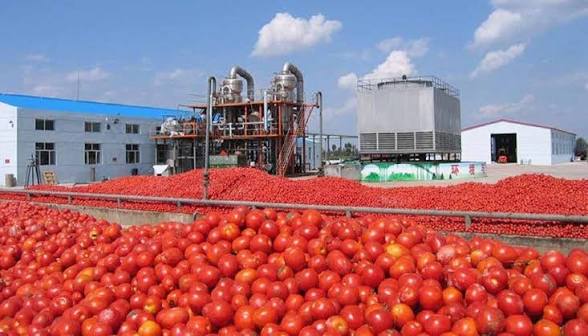
Investment in local processing capacity has nonetheless accelerated in response. GBfoods completed a N20 billion tomato processing facility in Kebbi State in partnership with the Central Bank of Nigeria, Kebbi State government and Yauri Emirate, with the plant converting fresh tomatoes into concentrate used to manufacture Gino Tomatoes Paste and Gino Tomato Pepper Onion Paste. Other players have followed a similar path, including Tomato Jos Farming and Processing Limited, which began producing tomato paste in Kaduna with an investment of USD 30 million and N1 billion, introducing a 65 gram sachet made from fresh tomatoes grown in the region.
The Brands on Nigerian Shelves Today
Nigeria's tomato paste shelf is dominated by a small cluster of names that have battled for leadership for well over a decade. Industry tracking has consistently narrowed the lead to just very few brands, namely Gino, De Rica, Tasty Tom, Sonia, and Ric Giko, while a longer tail of brands such as St Rita, Vitalis and Nagiko compete for the remaining share.
Gino has held the clearest leadership position for years, with market observers noting that Gino has replaced De Rica as the dominant brand in recent times after seizing control of the category. Consumers and traders alike point to specific product attributes behind that dominance, explaining Gino's success by pointing to its longevity on the market, distinctive flavor, thickness, and vivid red color. De Rica, despite losing ground, remains one of the category's most established names, frequently described as one of the oldest and best tomato pastes in Nigeria today.
Local challengers continue pushing for greater relevance against this backdrop. Erisco Foods Limited produces the Ric Giko and Nagiko tomato brands, while Sonia Foods Industries Limited manufactures Sonia Tomato Paste, and newer entrant Tomato Jos competes more regionally, particularly across the middle belt market. Packaging flexibility has become a defining feature across nearly all these brands, with major names like Gino, Tasty Tom, and De Rica offering 70g sachets, 210g, 400g, and even 2.2kg tins to suit different household needs and cooking occasions.
Why Import Restrictions and Product Authenticity Now Define the Market
Perhaps no issue has shaped Nigeria's tomato paste market more persistently than the tension between the 2019 import ban and the products that continue to circulate despite it. Years after the restriction took effect, NAFDAC has said despite the ban on importation of tomato pastes in the country, there has been unabated flooding of the Nigerian market with imported and unregistered tomato pastes to the detriment of local manufacturers, the economy and the health of consumers. Enforcement has remained an ongoing battle rather than a solved problem, with the regulator issuing a firm directive in late 2025 demanding that importers and retailers immediately cease the sale of certain food products including tomato paste, which the agency says have been entering the country through illegal channels without proper evaluation.
The authenticity concern driving this enforcement runs deeper than simple smuggling. Regulatory findings from years of surveys have consistently flagged adulteration as a core issue, with reports noting that the standards do not permit the addition of any food starch or colour to the tomato concentrate. Historical data cited in these investigations remains striking, with one internal NAFDAC memo indicating that 91.1 per cent of imported tomato paste sampled in Lagos markets were found to be substandard. Separate laboratory analysis focused specifically on tomato content, since the Codex Standards and the Nigerian Industrial Standards have specified that tomato content should be 28 per cent minimum, a benchmark many imported products reportedly failed to meet.
Local manufacturers have long argued that this unresolved enforcement gap has held back their own growth. Over the years, local manufacturers of tomato paste in Nigeria have suffered over continued importation of the product, preventing them from expanding and optimising capacity of their plants and providing more jobs for Nigerians.
What Nigerian Consumers Consider Before Choosing a Tomato Paste Brand
Colour and Thickness
For many Nigerian cooks, visual cues remain the first quality check at the point of purchase, with consumers frequently favouring a rich, deep red colour, an attribute usually taken as an indicator of higher lycopene content and overall product richness.
Pack Size and Value for Money
Because tomato paste is bought so frequently, pack size flexibility matters enormously to household budgeting, with sachets serving quick, single meal cooking needs while larger tins remain more economical for frequent cooks and bigger family meals.
Taste and Cooking Performance
Flavour intensity and how well a paste blends into stews and jollof rice remain central to brand loyalty, a factor repeatedly cited by both traders and households when explaining long standing preference for established names in the category.
Authenticity and Safety Assurance
Given the scale of past adulteration findings, many Nigerian consumers have become more attentive to registration marks and sourcing claims before buying, particularly amid continued warnings from regulators about unregistered products still reaching store shelves despite the ongoing import ban.
The Rise of Informed Tomato Paste Buyers
Nigerian households, increasingly conscious of both price and product safety, are researching more carefully before choosing a tomato paste brand. Common searches include:
Best tomato paste brand for stew and jollof rice
Gino vs De Rica vs Tasty Tom comparison
Cheapest tomato paste sachet prices in Nigeria
Is my tomato paste NAFDAC registered
Tomato paste price list 2026
Local vs imported tomato paste differences
This growing research culture, amplified by social media discovery and neighbourhood market word of mouth, continues to shape which brands earn repeat household trust.
Challenges Facing Nigeria's Tomato Paste Industry
Raw material scarcity remains a persistent structural challenge, since Nigeria's own tomato farmers continue to face low yields, with the country's average yield sitting far below what more mechanised farming operations are able to achieve on comparable land. This scarcity feeds directly into the industry's continued reliance on imported concentrate, even under an active import ban.
Regulatory enforcement gaps compound the problem for compliant local manufacturers. Despite years of stated bans and directives, unregistered and substandard imported products continue to reach Nigerian markets, undermining both consumer trust and the competitive position of processors who have invested heavily in local capacity.
Currency exposure adds a further layer of pressure, since even domestic manufacturers who source concentrate or processing equipment internationally remain vulnerable to naira depreciation, a challenge that continues to ripple through pricing across the category regardless of whether a brand is positioned as local or foreign.
Market Outlook for 2026 and Beyond
Nigeria's position within the broader African tomato paste and puree landscape remains substantial, with the country recording an estimated consumption of 224 thousand tons in 2023, placing it ahead of other major African markets. On the production side, Nigeria was also identified as the largest producer on the continent, with 223 thousand tons produced in a recent year, underscoring the scale of raw material available domestically even as processing capacity struggles to keep pace with demand.
Continued investment in backward integration is expected to remain the industry's central growth theme, as local processors keep working to close the gap between homegrown tomato supply and the concentrate needed to meet packaged paste demand nationwide. With enforcement of the import ban still inconsistent and authenticity concerns unresolved, the brands best positioned for growth are likely to be those able to combine visible local sourcing credentials with consistent quality and NAFDAC compliant registration.
Conclusion
Nigeria's tomato paste market in 2026 remains shaped by a distinctive push and pull between local agricultural potential and stubborn import dependence. Gino continues to anchor the premium end of consumer preference, De Rica and Tasty Tom hold established loyalty, and local challengers like Erisco, Sonia and Tomato Jos keep pressing for greater share through backward integration and regional positioning. For manufacturers and regulators alike, the path forward will likely depend on closing the gap between the ban on paper and enforcement in practice, ensuring that the paste reaching Nigerian kitchens matches both the safety and quality standards households increasingly expect.
About this Report
The Flipbz Tomato Paste Brands in Nigeria (2026) Market Report is an independent editorial publication prepared using publicly available information from NAFDAC, industry research platforms and market intelligence sources, together with independent market analysis by Flipbz. It is intended to provide market insight and does not constitute purchasing advice.

Please register to comment.
With these components in place, your business...
SolidBase Builders Limited is a professionall...
PrimeStone Construction Nigeria Ltd is a well...
CrestRock Engineering Services Ltd is a scala...
Open the Listing model file located in the ap...
Discover promising partnership opportunities in various industries.
Pitch Your Startup | Find Partners
.jpeg)
.jpeg)

.jpeg)




Comments