
Written By: Flipbz.org
The television occupies a unique position among Nigeria's household appliances, a product that has quietly moved through several complete technology generations, from bulky CRT sets and rear projection boxes to today's ultra thin OLED and QLED panels, all while the broadcasting infrastructure behind it struggled for nearly two decades to catch up. In 2026, Nigeria's television market finds itself at a genuine inflection point, not because of brand rivalry alone, but because the country's long delayed digital switchover finally reached a national launch date, an event with the potential to reshape which sets Nigerian households need to buy in the years ahead.
The Flipbz Television Brands in Nigeria (2026) Market Report draws on publicly available data from the National Broadcasting Commission (NBC), Statista and Grand View Research market data, industry publications and retail price tracking platforms, combined with Flipbz's own market analysis. The report does not rank or promote individual brands but examines the forces shaping pricing, brand loyalty and competition across Nigeria's television sector.
A Market Shaped by Nigeria's Long Road to Digital Broadcasting
Unlike most household appliance categories, Nigeria's television market has always been tied to the health of its broadcasting infrastructure, and that infrastructure has had an unusually difficult journey. In 2006, the International Telecommunication Union set a global deadline of June 2015 for member states to switch from analogue to digital broadcasting, and Nigeria formally adopted the policy in 2008, with the National Broadcasting Commission tasked with coordinating the transition. That original deadline came and went without a completed rollout. Nigeria missed the 2015 deadline due to funding shortages, infrastructure challenges, and logistical complexities, with a pilot launched in Jos, Plateau State, in 2017 marking one of the few tangible steps forward during a stretch that stretched into a broader pattern of delay across the following decade.
The breakthrough finally came in 2026, more than a decade after the original commitment. Nigerian broadcasting reached a historic milestone on Wednesday, 17 June, as the nation finally began its long delayed switchover to digital broadcasting, a transition originally scheduled for 2015. The launch introduced a genuinely new consumer proposition alongside the technical shift. The initiative offers Nigerians access to over 100 free television channels via a hybrid satellite and mobile platform, combining Direct to Home satellite, Digital Terrestrial Television and IP based streaming delivery under the NBC's Big Picture strategy, with the platform expected to run free for at least 18 months initially as adoption ramps up and full analogue switch off targeted for December 31, 2028.
For the television hardware market specifically, this shift carries direct implications. Mass adoption will depend heavily on the availability and affordability of set top boxes, particularly in lower income households and rural communities where analogue television remains the primary source of information and entertainment, a dynamic that positions set top box distribution as one of the more immediate commercial opportunities to emerge from the switchover. At the same time, the underlying scale of Nigeria's legacy television base underscores just how large this transition is. Volume growth will be driven partly by replacement demand from the installed base of legacy televisions, estimated at more than 12 million screen units that lack smart connectivity, a base of older sets that the digital switchover, streaming growth and continued urbanisation are together expected to gradually push toward retirement over the coming years.
The Brands on Nigerian Shelves Today
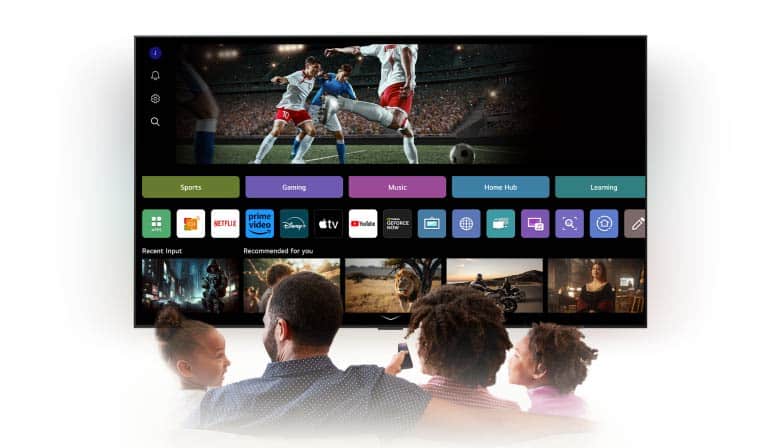
Today's Nigerian television market is dominated by a familiar mix of Korean, Japanese and Chinese manufacturers, with clear tiering between premium, mid range and budget segments. In 2026, LG and Hisense lead the Nigerian TV market, LG for premium quality and Hisense for unbeatable value, while Samsung remains a strong choice for bright rooms and smart home users, and Sony and TCL round out the top five for specific use cases.
LG has built its Nigerian reputation squarely around premium display technology and long term reliability. LG consistently tops rankings as the best overall TV brand in Nigeria, with their OLED technology remaining the gold standard for picture quality, and their QNED and UHD ranges offering excellent performance at more accessible price points, supported by an after sales service network in Nigeria that is among the best in the industry. Market tracking specific to the premium segment reflects this positioning numerically, with LG's OLED panels and advanced AI processors having propelled it into a top contender among Nigerian consumers, capturing around 20 percent of premium segment sales.
Hisense has moved rapidly from a lesser known challenger to one of the two most talked about names in the category, built almost entirely on value positioning. Hisense has rapidly become one of the most popular TV brands in Nigeria, with their ULED and QLED ranges delivering premium picture quality at prices that significantly undercut LG and Samsung, spanning affordable 32 inch entry level TVs all the way up to large format QLED displays, offering something for every Nigerian household budget.
Samsung, the world's largest TV manufacturer globally, occupies a distinctly premium lane within Nigeria specifically. Samsung is the world's largest TV manufacturer and a premium brand in Nigeria, with their QLED and Neo QLED TVs exceptionally bright, making them ideal for well lit Nigerian living rooms, backed by a polished, feature rich Tizen operating system and SmartThings ecosystem for smart home enthusiasts. Sony rounds out the premium tier with a reputation built on picture processing rather than brightness or pure value. Sony TVs are renowned for their exceptional picture processing, particularly their Cognitive Processor XR which delivers natural, lifelike images, with Sony using LG OLED panels in their premium Bravia XR range.
Beyond the five most discussed names, budget focused brands continue to serve Nigeria's price sensitive mass market segment. Brands like UKA, Hisense, Bruhm, and Polystar offer lower prices on their TVs, while LG and Samsung TVs are a bit pricier but offer more support and quality, a spread that gives Nigerian consumers meaningful choice across virtually every income bracket.
Why Screen Size and Smart Features Now Define the Buying Decision
Nigeria's television category has moved decisively away from basic display purchases toward smart, internet connected sets, a shift accelerating faster in Nigeria than in most comparable markets. Nigeria is expected to register the highest CAGR from 2025 to 2030 among smart TV markets in the Middle East and Africa region, with growth in the Nigeria Smart TV market being fueled by the fall in prices of smart TVs, coupled with advancements in high speed internet penetration, alongside an increasing middle class with higher disposable income spending more on modern home entertainment alternatives.
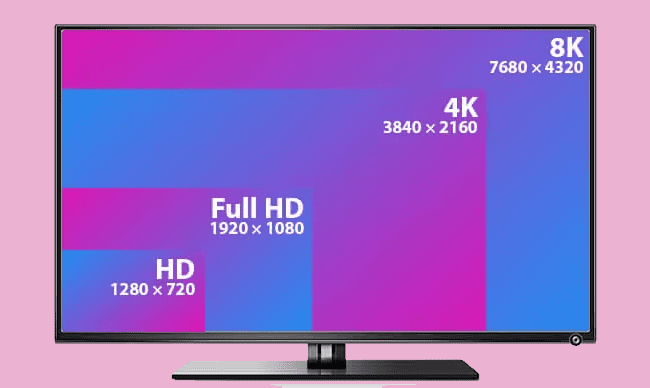
Pricing across the category now spans an unusually wide range, reflecting just how segmented the Nigerian market has become. Television prices in Nigeria range from around ₦52,900 to ₦30,500,000, with the widest gap in the market found between basic entry level LED sets and flagship 8K OLED or QNED MiniLED models from LG and Samsung. Screen size specifically continues to shape consumer preference in a particular way. OLED and QLED TVs are state of the art display technologies championed by LG and Samsung respectively, mostly offered in premium and high end TV models known for brilliant pictures, vibrant colors, and deep black, while mass market models continue to rely primarily on standard LED display technology at more accessible price points.
What Nigerian Consumers Consider Before Choosing a Television Brand
Price and Screen Size Matching
Affordability relative to screen size remains the starting point for most purchases, with buyers weighing whether a 32 inch entry level smart TV suffices for a bedroom or whether a larger 55 inch or bigger set better serves a family living room.
Picture Quality and Display Technology
Consumers increasingly distinguish between basic LED, premium OLED and QLED display types, with brand reputation for color accuracy, brightness and contrast shaping loyalty toward LG, Samsung and Sony in particular among buyers willing to pay a premium for visual quality.
Smart Platform and Streaming Compatibility
As streaming adoption grows alongside the digital switchover, the smart operating system powering a television, whether LG's webOS, Samsung's Tizen or Android based platforms used by Hisense and TCL, has become a genuine differentiator, particularly for households pairing their television with Netflix, YouTube and local streaming services.
After Sales Support and Warranty
Given that a television is typically a multi year household investment, dealer support and warranty coverage weigh heavily on brand choice, with LG's after sales service network in Nigeria frequently cited as a key reason for its continued premium positioning. Most TVs come with a manufacturer's warranty, usually between 1 to 2 years, a factor Nigerian buyers increasingly confirm before purchase given the cost of repairing or replacing a large screen set.
The Rise of Informed Television Buyers
Nigerian households, increasingly deliberate about a purchase they expect to keep for years, are researching more before they buy. Common searches include:
Best TV brands in Nigeria 2026
LG vs Samsung vs Hisense comparison
Cheapest smart TV prices in Nigeria
Best TV for small apartments in Nigeria
TV price list 2026
OLED vs QLED which is better for Nigerian homes
This growing research culture, amplified by comparison platforms and social media discovery, is reshaping brand consideration in ways traditional advertising alone no longer fully controls, particularly as more Nigerians weigh smart features and streaming compatibility for the first time.
Challenges Facing Nigeria's Television Industry
Nigeria's protracted digital switchover has long weighed on the broader television and broadcasting ecosystem, only now beginning to lift following the June 2026 national launch. Nigeria's DSO journey has been one of the most protracted on the continent, with pilot rollouts in select states over the past decade never achieving a full national transition until the confirmed 2026 date signaled renewed political will to close that gap. Even with the launch underway, execution risk remains real, since the 12-month runway leaves little room for the procurement, logistics, and public awareness campaigns that a transition of this scale demands.
Set top box affordability and distribution represent a direct near term challenge tied to the switchover itself, since households in lower income and rural areas will need access to affordable decoders to benefit from the expanded digital channel lineup, without which analogue television will remain the primary source of information and entertainment for a meaningful share of the country.
Power supply reliability continues to shape television design and adoption patterns nationwide, with reliable electricity remaining a persistent issue in many areas, potentially limiting decoder and smart TV usage even where broadcasting infrastructure and affordability are no longer barriers.
Currency and import cost exposure remains a structural concern for a category still heavily dependent on imported panels and components, with naira depreciation directly affecting landed costs across every price tier, from budget LED sets to flagship OLED models.
Market Outlook for 2026 and Beyond
Nigeria's smart TV segment specifically is projected to be one of the fastest growing anywhere in the Middle East and Africa region over the coming years. The smart tv market in Nigeria is expected to reach a projected revenue of US$4,349.4 million by 2030, with a compound annual growth rate of 20.7% expected from 2025 to 2030, positioning Nigeria as the fastest growing regional market in the Middle East and Africa smart TV space. Independent research from other analysts places the underlying growth rate somewhat lower but still healthy, with Nigeria Smart TV Market size expected to grow at a significant CAGR of 7.2% during 2025 to 2031.
The broader television market, encompassing both smart and standard sets, is also expected to see steady expansion. Nigeria's overall television market is projected to grow annually by 3.81% between 2024 and 2029, with the volume in the market expected to reach 1.2 million pieces by 2029, even as traditional television remains a dominant form of entertainment in Nigeria, with a strong preference for local programming.
Looking further out, the digital switchover's completion is expected to meaningfully reshape demand patterns across the category. With full analogue switch off targeted for December 31, 2028, and the broader smart entertainment systems market in Nigeria expected to expand at a compound annual rate of 8 to 12 percent through 2035, driven by household formation among the expanding urban middle class and replacement demand from Nigeria's large installed base of legacy, non smart television screens, the years ahead point toward a steady generational upgrade cycle across Nigerian living rooms, assuming macroeconomic stability allows the naira to stabilise and electricity reliability continues to improve incrementally.
Conclusion
Nigeria's television market in 2026 stands at a genuinely rare inflection point, shaped as much by a long delayed national broadcasting transition as by competition between LG, Samsung, Hisense, Sony and a wide field of value focused challengers. LG and Sony anchor the premium end through display technology and picture processing credentials, Samsung competes at the top through brightness and smart ecosystem integration, while Hisense, TCL and a host of budget brands have made smart, connected television genuinely accessible to a much wider swath of Nigerian households than seemed possible just a few years ago. For manufacturers and retailers alike, the path forward will likely depend on how quickly the digital switchover's promise of over 100 free channels translates into real household demand for smart, internet ready sets, and how effectively affordability, after sales support and power resilient design can be balanced as Nigeria's television category enters its next technological chapter.
About this Report
The Flipbz Television Brands in Nigeria (2026) Market Report is an independent editorial publication prepared using publicly available information from the National Broadcasting Commission (NBC), Statista, Grand View Research, industry publications and retail price tracking platforms, together with independent market analysis by Flipbz. It is intended to provide market insight and does not constitute purchasing advice.

Please register to comment.
With these components in place, your business...
SolidBase Builders Limited is a professionall...
PrimeStone Construction Nigeria Ltd is a well...
CrestRock Engineering Services Ltd is a scala...
Open the Listing model file located in the ap...
Discover promising partnership opportunities in various industries.
Pitch Your Startup | Find Partners

.jpg)

.jpg)
.jpg)


Comments