
.jpeg "Refrigerator Brands in Nigeria (2026): Flipbz Market Report on Consumer Preferences, Energy Efficiency and Pricing Trends")
Written By: Flipbz.org
Refrigerators occupy a peculiar place in Nigeria's appliance economy, a category defined less by fierce marketing rivalry and more by the practical demands of a tropical climate, unstable power supply and a household budget that must stretch a single purchase across many years of daily use. Unlike fast moving categories such as detergent or biscuits, refrigerators are a durable goods investment, one that most Nigerian families expect to keep running reliably for a decade or more despite voltage fluctuations, frequent outages and heavy reliance on backup generators or inverters.
The Flipbz Refrigerator Brands in Nigeria (2026) Market Report draws on publicly available data from the Standards Organisation of Nigeria (SON), the Energy Commission of Nigeria (ECN), Statista market data and industry research platforms, combined with Flipbz's own market analysis. The report does not rank or promote individual brands but examines the forces shaping pricing, brand loyalty and competition across Nigeria's refrigerator sector.
A Market Built on Local Manufacturing Roots
Nigeria's refrigerator market has a manufacturing history stretching back further than most household appliance categories in the country. The brand started out in Nigeria as Thermocool in 1971 with the aim of delivering top of the table fridges and freezers to customers, and their refrigeration plant was the first ever in the country. That first factory quickly became a household fixture nationwide. Within a couple of years, the brand was now a household name with their products all over Nigeria, with almost every family owning at least one of their picnic boxes.
Continued investment through the 1980s expanded the brand's manufacturing base and product range well beyond basic refrigeration. In 1982, further investment in the existing Ilupeju plant saw the development of a fully functional factory with modern designs, facilitating the production of innovative fridges and freezers especially designed to suit Nigeria's tropical conditions, before the company moved into window air conditioner production in 1987.
The turn of the millennium brought a defining corporate transformation that reshaped the category's competitive landscape. In May 2001, Thermocool went into a joint venture with PZ Cussons and introduced HPZ, Nigeria's number 1 cooling appliance brand into the market, a partnership that combined Haier's global manufacturing scale with PZ Cussons' decades of local distribution experience. Ongoing investment since has kept the brand's local production capacity current with modern technology. In December 2013, the company commissioned $130 million in new production lines for assembly of refrigerators and air conditioners to expand capacity and deepen market penetration.
The Brands on Nigerian Shelves Today
Today's Nigerian refrigerator market spans locally manufactured heritage brands, established multinational names and a growing tier of Chinese origin budget brands competing for shelf space in stores nationwide. Some of the leading refrigerator brands in Nigeria include Haier Thermocool, LG, Samsung, Polystar, Ignis, Binatone, Daewoo, Hisense, Scanfrost, TCL, Nexus, Skyrun, Syinix, Chigo, Bruhm, Panasonic, Midea and Newclime, with over 17 refrigerator brands competing for market attention as of recent industry reviews.
Haier Thermocool continues to lean heavily on its decades long local manufacturing heritage and remains a trusted name across generations of Nigerian households. Trusted brand for over 40 years, Haier Thermocool combines cutting edge technology and innovation to address everyday household challenges and is a leading Nigerian brand in refrigerators, freezer and washing machines, with the company's heritage of creating reliable and durable products setting it apart from competitors as the most established supplier in the market.
LG and Samsung anchor the premium end of the category, each building differentiated technology ecosystems around their flagship refrigerator lines. Stepping into the premium category, LG's InstaView refrigerators are a marvel of modern technology, with the Door in Door feature allowing quick access to frequently used items without opening the main refrigerator compartment, saving energy and maintaining freshness. Samsung, for its part, has pushed into smart home integration at the very top of the market, with its Family Hub refrigerators featuring a large touchscreen display that allows users to manage groceries, stream music, view calendars, and even communicate with family members. For buyers focused on daily performance rather than smart features, Samsung fridges tend to shine in the cool everywhere department, especially on models marketed with strong circulation and digital inverter style operation.
Hisense and Scanfrost have positioned themselves as dependable, accessible alternatives across a wide range of budgets. Reviews of the category describe Hisense as the best option for buyers wanting choices at different budgets, while Scanfrost is frequently cited as the best dependable familiar pick among Nigerian consumers. At the value conscious end of the market, Midea, Nexus and Polystar continue to compete on price, generally recommended for buyers who are realistic about expectations and purchase with warranty protection in mind.
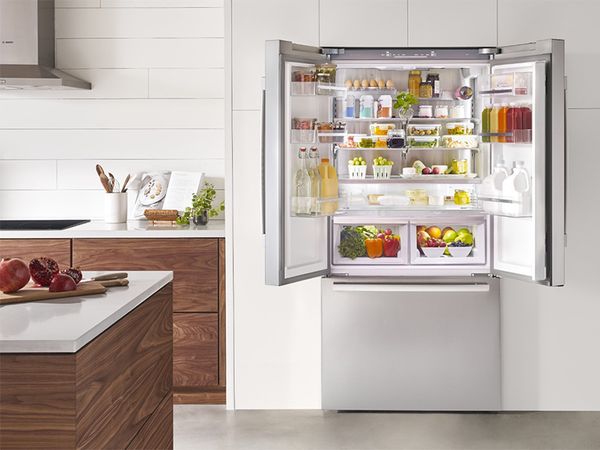
Why Voltage Protection and Inverter Compatibility Now Shape Purchase Decisions
Unlike most household categories in Nigeria where the sachet economy defines affordability, the refrigerator market is shaped by a very different practical concern: keeping the appliance alive and functional amid Nigeria's unreliable power supply. Retail guidance circulating among Nigerian appliance dealers is blunt about the single biggest cause of premature refrigerator failure, identifying voltage instability as the number one cause of compressor death in the country, with compressor replacement costing between sixty thousand and one hundred and eighty thousand naira, plus roughly two weeks of spoiled food while repairs are arranged.
This has made automatic voltage stabilisers an almost mandatory accessory purchase rather than an optional extra for many households. Industry pricing guides note that an AVS pays for itself the first spike it absorbs, positioning the stabiliser as cheap insurance against a much larger repair bill down the line.
Growing reliance on inverters and solar power at home has also reshaped which refrigerator models Nigerian consumers actively seek out. Buyers are increasingly advised to look strongly at LG inverter compressor models and selected Samsung or Thermocool inverter style models, then match the refrigerator's size to their inverter's capacity, a purchasing consideration almost unique to markets where backup power, rather than grid electricity, often keeps the fridge running for large parts of the day.
What Nigerian Consumers Consider Before Choosing a Refrigerator Brand
Price and Capacity Matching
Budget remains the starting point for most refrigerator purchases, with buyers matching capacity to household size. A practical range for many households sits between 200 and 300 litres, depending on how often the family shops and how much food they need to freeze at once.
Energy Efficiency and Inverter Technology
Running cost has become an increasingly important consideration alongside upfront price, particularly as electricity tariffs and generator fuel costs continue to rise. Consumers are advised to look for four to five star energy ratings and consider inverter technology models, which tend to use less electricity over the appliance's lifetime than older direct cool designs.
Durability Under Nigerian Conditions
Consumers pay close attention to how well a refrigerator holds up under local conditions, including voltage fluctuations, heat and humidity, with buyers advised that if the right model is chosen and stabiliser or ventilation guidance is followed properly, brands like Haier Thermocool, LG, Samsung, Hisense and Scanfrost are among the safer long term picks in Nigeria.
Authenticity and Product Safety
Counterfeit and substandard refrigerators represent a genuine and specifically named risk within Nigeria's electronics retail ecosystem. Consumer guidance circulating among appliance buyers explicitly warns of counterfeit LG, Samsung and Hisense units sold in informal electronics markets, citing fake serial numbers, weak compressors and fake holograms as common markers of products that typically fail within six to eighteen months, with buyers advised to purchase only from authorised dealers and official brand showrooms to avoid these risks.
The Rise of Informed Refrigerator Buyers
Nigerian households, increasingly cautious amid tightening budgets and rising energy costs, are researching more before they buy. Common searches include:
Best refrigerator brands in Nigeria
LG vs Samsung vs Haier Thermocool comparison
Cheapest fridge prices in Nigeria 2026
Best inverter compatible refrigerator for solar homes
Refrigerator price list 2026
Is my refrigerator original or fake
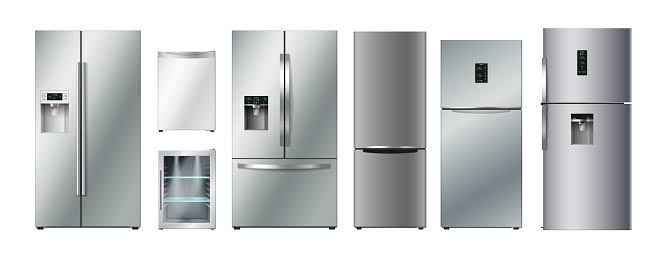
This growing research culture, amplified by social media discovery and appliance comparison platforms, is reshaping brand consideration in ways traditional advertising alone no longer fully controls, particularly as more Nigerians weigh energy efficiency and inverter compatibility for the first time.
Challenges Facing Nigeria's Refrigerator Industry
Voltage instability and unreliable grid power remain the single greatest threat to refrigerator longevity in Nigeria, a challenge that has effectively created an entire secondary market for stabilisers and surge protectors sold alongside the appliances themselves, since compressor failure caused by power spikes remains widely cited as the leading cause of premature breakdown.
Evolving regulatory standards are beginning to reshape which products manufacturers can legally sell in the country. Nigeria has been developing Minimum Energy Performance Standards for refrigerating appliances in partnership with the Standards Organisation of Nigeria, the Energy Commission of Nigeria and international partners, with basic equipment in refrigerating appliances such as compressor, thermostat and insulation identified as playing vital roles in ensuring minimal energy consumption. Similar standards work already underway for air conditioners, with energy efficiency requirements set to improve by 6% by 2026, 36% by 2029, and 48% by 2031, points toward tightening efficiency requirements likely to extend further into the refrigerator category over time.
Counterfeit and substandard products continue to erode consumer trust, particularly in open market retail channels where fake holograms, weak compressors and forged serial numbers on major brand names have been documented, pushing informed buyers toward authorised showrooms and official distributors despite the price premium this often carries.
Currency and import cost exposure remains a structural concern for a category still partly dependent on imported components and finished units, with naira depreciation directly affecting the landed cost of refrigerators and the parts needed to service them domestically.
Market Outlook for 2026 and Beyond
Nigeria's refrigerator market is positioned for steady, sustained growth over the coming years. The refrigerators market in Nigeria is projected to grow by 6.13% between 2024 and 2029, resulting in a market volume of US$2.68 billion in 2029, with the market's revenue reaching roughly $1.99 billion in 2024 alone. Volume growth is expected to follow a similar steady trajectory. Looking ahead to 2029, the volume of the refrigerators market is expected to reach 3.8 million pieces, with a projected volume growth of 5.0% in 2025 specifically.
The broader household appliances market that refrigerators sit within is expected to expand even more substantially over the next decade. The Nigeria household appliances market was valued at USD 3.88 billion in 2025 and is expected to grow at a CAGR of 6.80% between 2026 and 2035 to reach a value of USD 7.49 billion by 2035, with increasing urbanization, greater dependence on generators, and the rise of solar powered homes prompting manufacturers to develop voltage tolerant appliances that work efficiently in fluctuating electricity conditions.
Regional demand patterns are also shifting in ways that favour smaller, more energy conscious refrigerator formats. Rapid urbanization in cities like Lagos and Abuja has continuously ensured a developed market for mini refrigerators, portable air conditioners, and multifunction kitchen appliances, with vendors modifying product dimensions and energy consumption to fit smaller urban homes with irregular power supply conditions. Government electrification efforts are expected to widen the addressable market further still. The country's rural electrification agency has been actively promoting solar mini grid projects in underserved communities, projects that empower families to use electric appliances such as refrigerators and fans for the first time.
Across the wider Middle East and Africa region, the growth story remains consistent with Nigeria's own trajectory. The Middle East and Africa refrigerator market was valued at USD 7.84 billion in 2024 and is projected to reach USD 11.75 billion by 2030, rising at a CAGR of 6.98%, driven by rising urbanization, increasing disposable incomes, and hot climatic conditions that make refrigerators an essential household appliance across the region.
Conclusion
Nigeria's refrigerator market in 2026 reflects a category shaped as much by engineering demands as by brand marketing, a market where surviving voltage spikes and prolonged power outages matters just as much to consumers as design or smart features. Haier Thermocool's decades of local manufacturing heritage, LG and Samsung's premium technology positioning, and the accessible value propositions of Hisense, Scanfrost, Midea and Nexus together define a competitive field built around durability under uniquely Nigerian conditions. For manufacturers, sustained growth will likely depend on continued investment in inverter compatible, voltage tolerant designs suited to solar and generator dependent households, expanding compact formats for smaller urban homes, and defending consumer trust against a persistent undercurrent of counterfeit products in open market retail channels.
About this Report
The Flipbz Refrigerator Brands in Nigeria (2026) Market Report is an independent editorial publication prepared using publicly available information from the Standards Organisation of Nigeria (SON), the Energy Commission of Nigeria (ECN), Statista market data and industry research platforms, together with independent market analysis by Flipbz. It is intended to provide market insight and does not constitute purchasing advice.
Please register to comment.
With these components in place, your business...
SolidBase Builders Limited is a professionall...
PrimeStone Construction Nigeria Ltd is a well...
CrestRock Engineering Services Ltd is a scala...
Open the Listing model file located in the ap...
Discover promising partnership opportunities in various industries.
Pitch Your Startup | Find Partners
.jpeg)
.jpeg)

Comments