
Written By: Flipbz.org
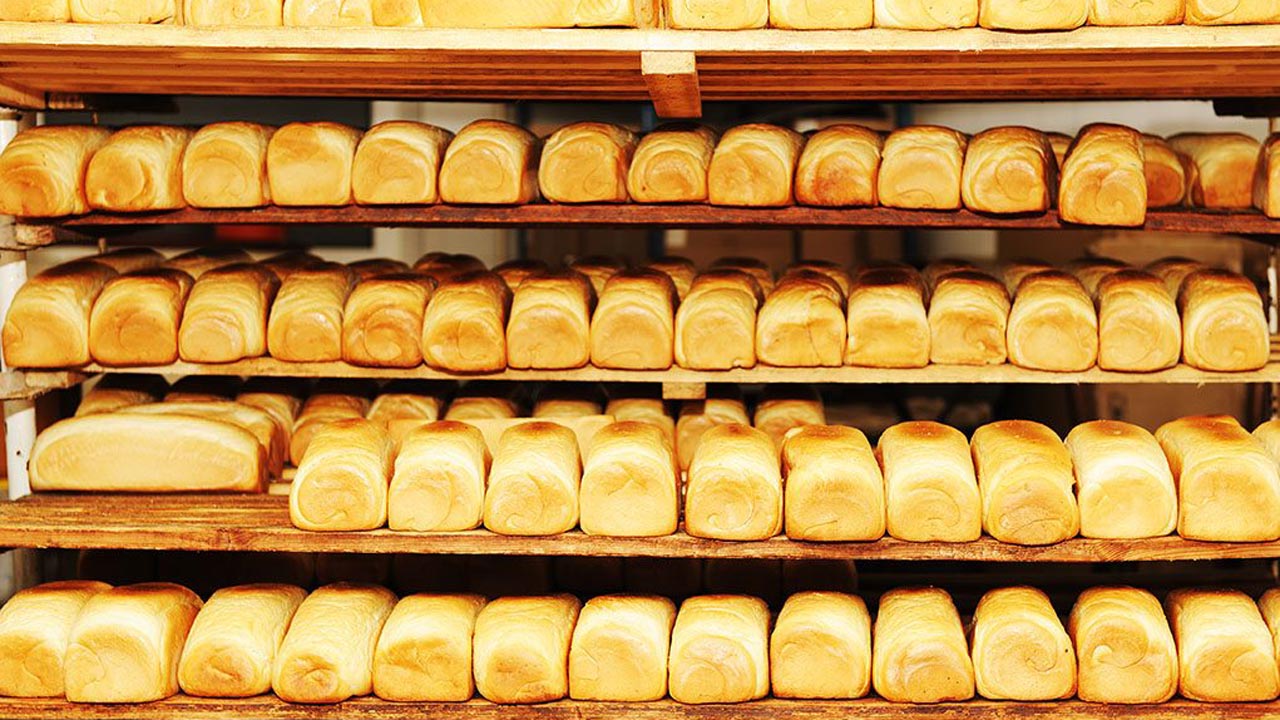
Bread occupies a rare position in Nigeria's food economy, it is simultaneously one of the most universally consumed staples in the country and one of the least standardised, sold everywhere from roadside wheelbarrows to supermarket shelves under wildly different names, prices and quality assurances. In 2026, the category's defining tension is not between competing brands in the way detergent or noodles compete, but between two entirely different production models, the small, largely unbranded neighbourhood bakery and the growing, packaged, industrially produced loaf.
The Flipbz Bread Brands in Nigeria (2026) Market Report draws on publicly available data from the National Bureau of Statistics (NBS), NAFDAC, the United States Department of Agriculture's Foreign Agricultural Service, industry associations including the Premium Bread Bakers Association of Nigeria (PBAN), and industry research platforms, combined with Flipbz's own market analysis. The report does not rank or promote individual brands but examines the pricing, regulatory and consumer behaviour forces shaping Nigeria's bread market.
From Neighbourhood Ovens to a Two Tier Market
Nigeria's bread market has always been built on thousands of small, independent bakeries rather than a handful of national names. That structure remains largely intact today, even as a formal, branded layer has grown on top of it.Continuing the report using the research already gathered:
According to industry data compiled by Flipbz, there are over 6,600 bakeries in Nigeria as of 2025, but only about 2.2% of them are part of larger brands or chains. This means while the market is densely populated by small operators, only a handful of bakery brands have scaled to multi location or formal chain status.
The formal segment's growth traces back partly to the entry of organised food companies into baking. Food Concepts Plc, the company behind the Butterfield bread brand, was incorporated on 6 December 1999 as Food Concepts & Entertainment Limited and commenced operations in 2000, with its Butterfield Bakery division in operation since 2000. That model has since become a reference point for formalisation across the category, with formal chain bakeries often adopting modern production, packaging, distribution and marketing practices, making them stand out in terms of hygiene, consistency and brand experience, for example, the container baking model by Butterfield.
Despite this growth, informal production still defines how most Nigerians actually buy bread day to day, a dynamic explored further below.
The Brands on Nigerian Shelves Today
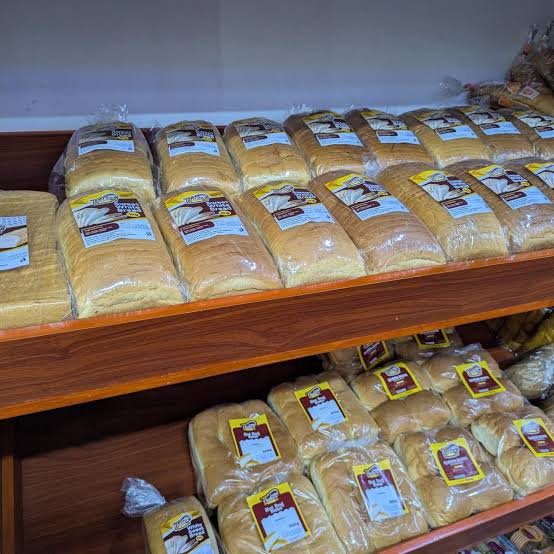
Nigeria's bread landscape today spans organised bakery chains offering packaged, branded loaves and a much larger population of independent, often unbranded producers serving local neighbourhoods. Industry commentary describes this split plainly, noting that small scale bakeries service the lower rung in the social strata with smaller loaves of bread, mostly unbranded at very affordable prices, while industrial bakeries serve the middle and upper classes who are more health and hygiene conscious with well packaged and branded loaves that come at a premium cost.
That divide is narrowing rather than widening, however, as competitive pressure pushes both ends of the market toward each other. Smaller players are now branding and packaging their bread products, while the big bakeries, in order to reach the population in the lower rung of the social strata, are coming up with smaller and affordable loaves of bread. Butterfield remains one of the more recognisable formal names in this space, but the broader shelf is filled with a long tail of regional and city specific bakery brands rather than a small set of dominant national players, a structural feature that separates bread from more consolidated packaged food categories in Nigeria.
Why the Informal and Industrial Divide Now Defines the Market
Perhaps no single dynamic shapes Nigeria's bread market more than the coexistence of these two production systems, and the volatile input costs that keep testing both. Because wheat is generally not suitable for manufacturing bread, pasta and noodles due to the low protein content of locally produced wheat, Nigeria remains heavily reliant on imported wheat, and 60 percent of wheat flour is utilised by bakeries to bake bread. This import dependence transmits currency and global commodity shocks directly into the price of a loaf.
That volatility has been extreme in recent years. Flour, the primary bread input, saw its price surge sharply, with a 50 kg bag of flour selling for N62,500 as against N39,750 sold in February 2024, indicating a 57.2 percent surge in price. Bakers reported even steeper swings over a longer window, with the price of a bag of wheat flour jumping from about N32,000 in May 2023 to around N62,000 in May 2024, and bread prices rising by 40 to 80 percent over that period. NBS data captured the consumer end of that pressure directly, recording that the average price of sliced bread increased by 113.16 percent on a year on year basis to N1,459.85 in August 2024.
Relief followed in 2025, though it did not fully pass through to consumers. Reports noted that flour prices had fallen by about 35 percent in the last year, even as bakers faced backlash over their refusal to adjust bread prices accordingly. By early 2026, conditions had settled somewhat, with the Premium Bread Bakers Association of Nigeria reporting that the cost of bread stabilised between January 2025 and January 2026, compared with 2024, when prices increased year over year. That calm proved short lived, since fresh pressure emerged from global wheat markets by April 2026, as 70 percent of US winter wheat regions faced severe drought, tightening global supply and driving up the cost of Hard Red Winter wheat, the variety used for Nigerian bread flour, a shift that was already forcing local bakers to turn to shrinkflation, reducing loaf sizes rather than raising prices outright.
What Nigerian Consumers Consider Before Choosing a Bread Brand
Price and Loaf Size
For most households, price per loaf relative to size remains the single biggest deciding factor, particularly given how frequently bread is purchased as a daily or near daily staple rather than a one off buy.
Freshness and Taste
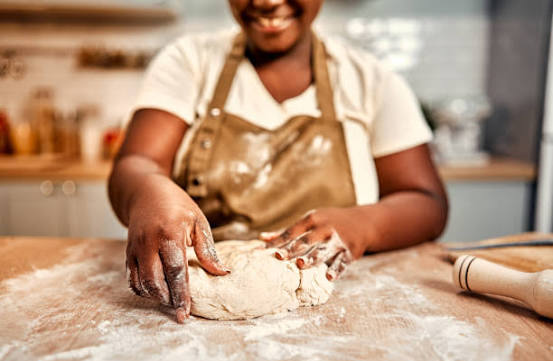
Because artisanal bread has a much shorter shelf life than industrially produced loaves, freshness at point of purchase weighs heavily on consumer choice, often favouring bakeries located close to the point of sale over distantly distributed branded loaves.
Safety and Additive Concerns
Health and safety concerns around bread additives have grown significantly in recent years. NAFDAC banned the use of potassium bromate as a dough conditioner in bread production in 2003 due to its toxicity, a ban later reinforced through the Bread Regulations Act 2023, which states plainly that no person shall use potassium bromate in the production of bread. Despite this, compliance has remained a persistent problem, with one academic review finding that most of the bread sold and consumed in Nigeria contained potassium bromate in quantities above the permissible limit, and that even bread labeled as bromate free with a NAFDAC registration number also contained potassium bromate in excess concentration. This has made NAFDAC registration and bromate free labelling an increasingly important, if imperfect, trust signal for safety conscious buyers.
Brand Trust and Formal Registration
Given the scale of informal production, many consumers now weigh whether a bakery is licensed and regulated at all. As one industry commentary on the premium segment observed, unregistered producers are not under any obligation to adhere to NAFDAC health and safety standards, posing a risk not just to regulated bakers but to the last consumer as well.
The Rise of Informed Bread Buyers
Nigerian households, increasingly conscious of both price and product safety, are researching more carefully before choosing where to buy their daily bread. Common searches include:
Best bread bakery near me in Nigeria
Bromate free bread brands Nigeria
Cheapest loaf prices in Nigeria 2026
Sliced vs unsliced bread price comparison
Is my bread NAFDAC registered
Bread price list 2026
This growing research culture, amplified by word of mouth, local social media groups and neighbourhood recommendation, continues to shape which bakeries earn repeat household patronage.
Challenges Facing Nigeria's Bread Industry
Input cost exposure remains the dominant structural challenge, since wheat flour, sugar, yeast and packaging materials are all vulnerable to currency and global commodity swings that bakers cannot fully control. During the worst of the recent price shocks, bakers reported that prices of essential raw materials such as wheat flour, butter, sugar and even packaging materials had more than doubled in the space of a year.
Multiple taxation and rising overheads compound this pressure for formally registered bakers. Industry associations have attributed the persistent high cost of bread to multiple taxation, high energy cost and other rising production expenses, costs that informal producers largely avoid by operating outside regulatory and tax frameworks altogether.
Regulatory compliance remains a genuine unresolved issue even fifteen years after the potassium bromate ban, with continued academic findings showing widespread non compliance across both low cost and premium labelled bread, undermining consumer confidence in safety claims regardless of price tier.
Market Outlook for 2026 and Beyond
Nigeria's broader bakery product market is projected to grow at a healthy clip, with one industry forecast placing the Nigeria Bakery Product Market's growth at a compound annual growth rate of 7.6 percent from 2026 to 2032, while a related assessment projects the Nigeria Bakery Market growing at a CAGR of 8.5 percent during the same forecast period. Within that growth, bread's role is expected to remain foundational even as other categories expand faster, since bread is expected to maintain its dominance in the baked goods market, even as cakes and frozen baked goods are projected to achieve the highest growth rates over the forecast period.
Government policy continues to nudge the industry toward reduced import reliance, with the Cassava Bread Initiative mandating the inclusion of cassava flour in bread production to reduce import dependence, part of a broader push toward energy efficient production and food security. Separate estimates underline just how large the underlying industry already is, with reports suggesting Nigeria's bread industry generates up to US19.81 billion dollars, with the market expected to grow annually by 11.04 percent.
Conclusion
Nigeria's bread market in 2026 remains defined less by brand rivalry and more by the ongoing tension between affordability and formalisation. Thousands of small, largely unbranded bakeries continue to feed the daily needs of most households, even as organised players like Butterfield push packaging, hygiene and consistency further into the mainstream. With wheat import dependence keeping prices exposed to global shocks and regulatory compliance on additives still incomplete years after enforcement began, the brands and bakeries that earn lasting household trust will likely be those that can prove both consistent quality and genuine safety, not just a lower price per loaf.
About this Report
The Flipbz Bread Brands in Nigeria (2026) Market Report is an independent editorial publication prepared using publicly available information from the National Bureau of Statistics (NBS), NAFDAC, the USDA Foreign Agricultural Service, industry associations and research platforms, together with independent market analysis by Flipbz. It is intended to provide market insight and does not constitute purchasing advice.
Please register to comment.
With these components in place, your business...
SolidBase Builders Limited is a professionall...
PrimeStone Construction Nigeria Ltd is a well...
CrestRock Engineering Services Ltd is a scala...
Open the Listing model file located in the ap...
Discover promising partnership opportunities in various industries.
Pitch Your Startup | Find Partners
.jpeg)
.jpeg)
.jpeg)

.jpeg)


Comments