
.jpg "The Cocoa Paradox: Why Nigeria Grows the Beans but Imports the Bars")
Written By: Flipbz.org
Chocolate in Nigeria carries a contradiction that most consumers never think about while unwrapping a bar. The same soil that produces some of the cocoa now blended into premium European chocolate rarely turns that cocoa into a finished bar for Nigerians to buy. Instead, beans leave the country, get processed abroad, and return as increasingly expensive imported chocolate, squeezed further by a global cocoa price shock that has rewritten the economics of the entire category since 2024. The 2026 story is not simply Cadbury versus Nestlé, it is a market caught between global cocoa volatility, multinational dominance in beverages and confectionery, and a small but determined wave of local bean to bar makers trying to keep Nigerian cocoa, and Nigerian chocolate money, inside the country.
The Flipbz Chocolate Brands in Nigeria (2026) Market Report draws on publicly available information from industry research platforms, business publications and market intelligence sources, combined with Flipbz's own market analysis. The report does not rank or promote individual brands but examines the pricing, sourcing and consumer behaviour forces shaping Nigeria's chocolate market.
A Cocoa Giant That Barely Eats Its Own Chocolate
Nigeria's position in global cocoa production makes its weak domestic chocolate industry genuinely surprising. For decades the pattern has been strikingly consistent, since Nigeria produced over 280,000 metric tonnes of cocoa annually, yet less than 5% was processed locally into finished chocolate, with the industry suffering from weak value addition, outdated infrastructure, and consumer preference for foreign brands. The result has been an oddly circular trade relationship, since for years, Nigerian cocoa beans were shipped to Europe, processed into premium chocolates, and sold back to Nigerian consumers at exorbitant prices.
That imbalance is exactly what has pulled a small cluster of entrepreneurs into the space. Nigeria has long been a giant in cocoa production, ranking among the world's top exporters, yet for decades, the country remained absent from the global chocolate industry. A new generation of founders has begun challenging that absence directly, since these local pioneers not only changed consumer perception but also challenged the dominance of international brands like Ferrero Rocher, Cadbury, and Lindt.
The Global Cocoa Shock That Hit Every Nigerian Shelf
No factor has reshaped chocolate pricing worldwide, and in Nigeria, more dramatically than the cocoa price crisis that began in 2023. Prices moved at a pace few commodities ever see, since by December 2023, prices had risen to $4,200 a tonne, and over the following months, speculation that cocoa prices would continue to rise brought prices higher and higher, from $6,000 a tonne in February, to $9,000 a tonne in March, until prices were at almost $11,000 in mid-April. The peak came soon after, since as of October 2025, prices in London had fallen to around US$4,000 per tonne from a high of US$11,530 on 13 June 2024.
Nigeria was not a bystander in this shortage either, since crop shortages were also observed in Nigeria and Indonesia, the third and fourth largest cocoa producers, contributing to a 500,000 tonne deficit of cocoa in global markets in 2024, which is continuing to keep prices high. Manufacturers everywhere responded the same way, since shrinkflation, reducing product sizes rather than raising prices, became a widespread industry response. Global players felt it directly, since Mondelēz International, the group behind Cadbury, Milka, and Toblerone, predicted a significant drop in earnings directly attributable to cocoa costs. By 2025 there was cautious relief, since after peaking around $12,000 per ton in late 2024, front month cocoa futures dropped sharply in 2025, registering a 40 to 45 percent price decline.
The Brands Nigerians Actually Reach For
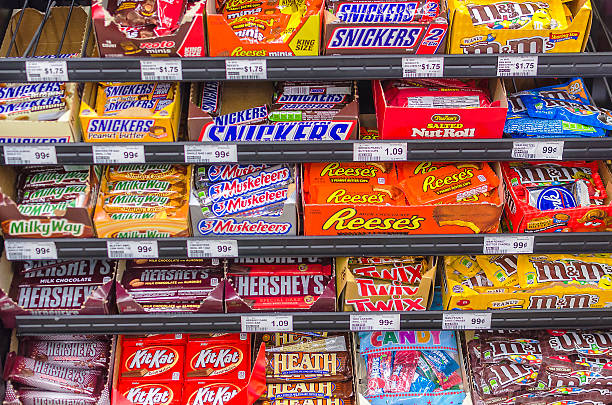
Two names have anchored Nigeria's chocolate and cocoa beverage category for generations, largely because they arrived first and never really left. Market observers consistently note that Bournvita from the production line of Cadbury Nigeria Plc, and Milo, manufactured by Nestlé Nigeria Plc, are undoubtedly the biggest players in Nigeria's cocoa beverage market. Cadbury's footprint runs deeper than beverages alone, since the company's product portfolio includes iconic chocolate and confectionery items such as Cadbury Dairy Milk, Bournvita, Perk, TomTom, Eclairs, and Choco Delight, which are recognized for their consistent quality, rich taste, and nutritional value.
Beyond the two giants, a wider field of cocoa beverage and confectionery brands competes for the remaining shelf space. Industry coverage lists Milo, Bournvita, Ovaltine, Cowbell Choco and Twisco among the brands still doing well with Nigerian consumers, while a Nairametrics review of the category also names Ovaltine, produced by Twining Nigeria, Horlicks, produced by GlaxoSmithKline Consumer Plc, Oluji Pure Cocoa Powder, a local competitor in the market and Cowbell Choco, manufactured by Promasidor Nigeria Limited as active players. Consumer research into this category found a fairly stable pecking order, since majority of consumers prefer Milo, Bournvita, and Ovaltine, in that order.
At the pure confectionery end, budget conscious buyers now have a genuine local alternative to imported bars, since local brands like ChocBoy Nigeria are directly competing with international giants like Cadbury and Nestlé on price and affordability.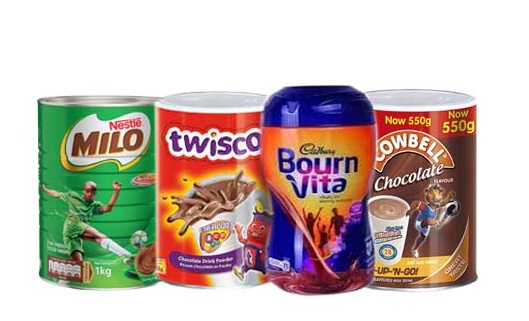
Nigeria's Chocolate Queens and the Rise of Bean to Bar
While multinationals dominate volume, a small wave of founder led brands has built a genuinely premium, distinctly Nigerian chocolate identity from scratch. One of the earliest was born from a moment of realisation abroad, since a founder walked away from her career in architecture after an encounter with the bean to bar movement in Europe, shocked to learn that Nigerian cocoa beans, renowned for their bold flavour, were being used in some of the world's finest chocolates, yet Nigerians had no access to high quality, locally made chocolate, and launched Loshes Chocolate, a brand that focuses on single origin Nigerian cocoa. That brand's pricing spans a wide range, since its collections are priced between ₦1,400 and ₦30,000.
Other founders were driven by a simpler, more personal frustration, since one entrepreneur's journey into chocolate making began with frustration, as she was planning a corporate event and wanted to gift guests high quality chocolates made in Nigeria, but none existed. That brand, Pod Chocolates, now prices its gift boxes and bars from ₦1,500 to ₦15,000. At the more accessible end of the artisanal spectrum, one brand has built its identity entirely around affordability, offering affordable minibars starting at ₦30, focused on empowering cocoa farmers in Ondo State.
This niche remains small relative to the mass market, but it is no longer negligible, since one estimate suggests local chocolate brands now command 30% of Nigeria's premium market.
What Nigerian Consumers Actually Weigh Before Buying Chocolate
Price Against Portion Size
With shrinkflation now a global industry response to costly cocoa, Nigerian buyers increasingly notice when a familiar bar feels smaller or costs noticeably more than it did a year earlier, making perceived value as important as the brand on the wrapper.
Trust Built Over Generations
Bournvita and Milo's long history in Nigerian households means most buyers default to whichever brand they grew up with, a habit that newer entrants must work hard to break through pricing or genuine product differences rather than advertising alone.
Imported Prestige Versus Local Pride
Foreign chocolate brands still carry a quality halo for many Nigerian shoppers, yet that perception of foreign brands being superior is a challenge, but local brands are gaining traction as awareness of Nigerian grown, Nigerian made chocolate spreads.
Occasion Driven Purchasing
Premium and artisanal chocolate purchases spike around gifting moments, since local chocolatiers have positioned their products specifically as festive packaging and affordability that make them a go to for mass market gifting during Christmas.
The Rise of Informed Chocolate Buyers
Nigerian consumers, particularly younger and more health conscious buyers, are researching more before choosing a chocolate or cocoa beverage brand. Common searches include:
Milo versus Bournvita nutrition comparison
Best Nigerian bean to bar chocolate brands
Cheapest chocolate bars in Nigeria 2026
Why is chocolate more expensive in Nigeria now
ChocBoy versus Cadbury price comparison
Where to buy locally made Nigerian chocolate
This growing research culture, amplified by food bloggers and social media reviews of local chocolatiers, continues to shape which brands earn trust beyond the traditional two name rivalry.
Challenges Facing Nigeria's Chocolate Industry
Weak local processing remains the industry's oldest and most persistent challenge, since the vast majority of Nigerian grown cocoa still leaves the country as raw beans rather than finished chocolate, leaving domestic consumers dependent on imported products priced in dollars.
Global cocoa price volatility now flows almost immediately into Nigerian retail prices, since with cocoa prices at record highs, food manufacturers are forced to adapt, companies like Cadbury and Lindt have already raised prices to offset costs, and some are considering reducing product sizes or modifying their recipes to use less cocoa, meaning higher prices at checkout for consumers.
Consumer price sensitivity limits how far premium and artisanal brands can scale, since even globally, despite growing demand, consumers in developing regions remain price sensitive, and premium chocolate products may not be affordable for mass consumption, limiting volume growth in high potential markets.
Market Outlook for 2026 and Beyond
The broader regional picture still favours steady, if unspectacular, growth. Continental forecasts show the Africa Confectionery market is projected to grow at a significant CAGR of 7.2% from 2025 to 2031. Within Nigeria specifically, the chocolate market is valued at a meaningful share of the wider regional category, with one estimate placing Nigeria's chocolate market at USD 907.22 million, a 14.8% share of the Middle East and Africa Chocolate Market, with increasing imports and local confectionery growth.
Cocoa markets themselves appear to be stabilising after two turbulent years, since forecasters note the International Cocoa Organization outlines a shift from a deficit of around 489,000 tonnes in 2023/24 to a projected surplus of 49,000 tonnes in 2024/25, a modest surplus barely a rounding error in a 5 million ton market but psychologically, the direction of travel matters enormously. If that stability holds, pricing pressure on Nigerian shelves may finally ease, even as structural questions about local processing capacity remain unresolved, and the chocolate industry in Nigeria is still in its infancy, but it is growing steadily, with increased awareness of value addition and the rising middle class demand for quality chocolate products giving the industry the potential to thrive.
Conclusion
Nigeria's chocolate market in 2026 remains shaped by an uncomfortable irony, a country rich in raw cocoa still largely dependent on imported finished chocolate, now made costlier by a global price shock outside anyone's control. Cadbury and Nestlé's generational hold on cocoa beverages, a widening field of budget confectionery brands like ChocBoy, and a small but symbolically important wave of local bean to bar chocolatiers are all pulling the category in different directions at once. The brands that gain the most ground from here will likely be those that manage to turn Nigeria's own cocoa advantage into an actual product advantage, rather than simply another import line squeezed by a currency and a commodity market it does not control.
About this Report
The Flipbz Chocolate Brands in Nigeria (2026) Market Report is an independent editorial publication prepared using publicly available information from industry research platforms, business publications and market intelligence sources, together with independent market analysis by Flipbz. It is intended to provide market insight and does not constitute purchasing advice.

Please register to comment.
With these components in place, your business...
SolidBase Builders Limited is a professionall...
PrimeStone Construction Nigeria Ltd is a well...
CrestRock Engineering Services Ltd is a scala...
Here is an opportunity to buy an established...
Discover promising partnership opportunities in various industries.
Pitch Your Startup | Find Partners

.jpg)
.jpg)



Comments