
.jpeg "Biscuit Brands in Nigeria (2026): Flipbz Market Report on Consumer Preferences, Pricing and Market Competition")
Written By: Flipbz.org
Biscuits hold a peculiar place in Nigeria's snack economy, a category once so heavily import-driven that a single government policy decision reshaped the entire industry overnight, forcing local manufacturing to rise almost from scratch. Decades later, that policy-driven local boom now confronts a harder reality: a market where legacy leaders retain scale, but shrinking household purchasing power is testing demand at its foundation in ways few other FMCG categories have experienced as sharply.
The Flipbz Biscuit Brands in Nigeria (2026) Market Report draws on publicly available data from KPMG industry research, the Manufacturers Association of Nigeria (MAN), NAFDAC public communications, Sagaci Research and industry publications, combined with Flipbz's own market analysis. The report does not rank or promote individual brands but examines the forces shaping pricing, brand loyalty and competition across Nigeria's biscuit sector.
From Imported Treat to Local Industry
Nigeria's modern biscuit industry was born out of a single regulatory shock rather than gradual market evolution. For years, biscuits reached Nigerian shelves largely through importation, with companies like Beloxxi operating as distributors of foreign brands before building any local production capacity. From March 1994, the company, then known as Beloxxi & Company Limited, was the exclusive distributor of HWA TAI Cream Crackers and other types of biscuits from Malaysia, and was also the dominant importer of other popular brands of biscuits, especially DEAN'S SHORTBREAD from the United Kingdom. By the early 2000s, that import volume had become unsustainable, and government policy intervened decisively. With the ban on importation of biscuits in March 3, 2003, by the Federal Government of Nigeria, the Company commenced initiatives to design and build a large and modern biscuit manufacturing plant in Nigeria.
That single policy shift effectively created Nigeria's modern biscuit manufacturing base. Beloxxi, a purely indigenous biscuit manufacturing plant with specialty in cream crackers, is a project of necessity that arose when the Federal Government banned biscuits import in 2003. Local production capacity has since expanded substantially. The expansion of the company's capacity was intended to increase Beloxxi's output from 40,000 metric tonnes to 100,000 metric tonnes of Beloxxi Cream Crackers per year, positioning it to become the largest producer of cream cracker biscuits in sub-Sahara Africa. The investment that powered this growth was itself historic for the sector. On August 1, 2016, Beloxxi became a public quoted firm with minority shareholding of $80 million sold to prime German and European investment bank KFW-DEG, 8 Miles of London and the African Capital Alliance of Nigeria, a transaction that represents the largest transaction in the biscuit sector of the Nigerian economy.
Around the same period, a different kind of consolidation was reshaping the multinational end of the market. Nigeria's leading multinational biscuit operation underwent a major corporate rebrand as its global parent restructured. Pladis is owned by Yildiz Holding, one of EMEA's largest food companies, founded two years after Yildiz acquired A&P Foods' parent United Biscuits in 2014, following the amalgamation of United Biscuits, Ulker, Godiva Chocolatier and DeMet's Candy Company to form one global biscuit and confectionery company. Coinciding with the rebrand was the opening of a corporate office in Lagos, signalling its commitment to strengthening its presence in Nigeria, with the launch attended by pladis executives from its Western Europe and Emerging Market regional team.
The Brands on Nigerian Shelves Today
Today's Nigerian biscuit market is anchored by a handful of dominant manufacturers, supported by a large and growing tier of artisanal and informal producers. The major local and international biscuit manufacturers in Nigeria include Beloxxi Industries Limited, Niger Biscuit Company Limited, Yale Foods Limited, Newbisco Limited, Major Biscuit Company, Global Beverages Nigeria Limited, Nasco Food Nigeria Limited, Ok Foods Limited.
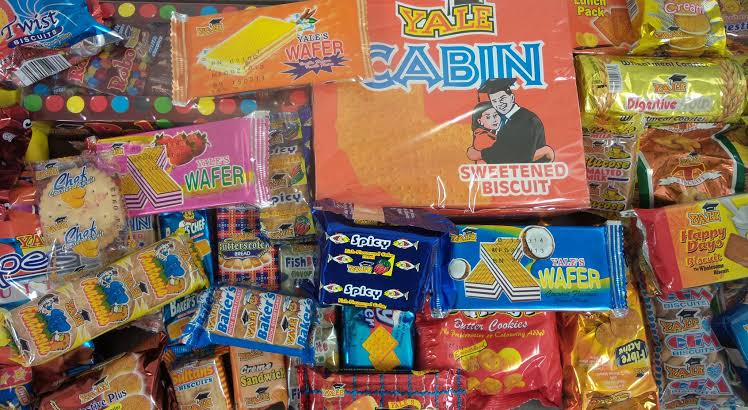
For much of the past decade, one name led the category by a wide margin. Yale Foods Limited, manufacturer of Yale Bakers, Bira Snack, Butter Scotch and Coconut Cookies amongst other biscuit brands, was reported by KPMG to control 37 per cent of the market share, with the biscuit market at the time estimated between N90 billion and N100 billion. Its leading position affirmed a long-standing reputation for offering quality products at reasonable and affordable prices, with Yale Foods having operated in Nigeria for over 20 years. Behind Yale, the field was tightly contested. The firm was trailed by OK Foods with 20 percent market share and A&P Foods, which occupied 14 percent of the market, while Deli Foods had a market size of nine percent, Niger Biscuit came next with a share of five percent, and the ever-expanding Beloxxi Industries had a share of four percent.
That structure has shifted meaningfully in recent years. In 2017, the biscuit industry was led by Yale Foods (37%), OK Foods (20%), A&P Foods (14%), Deli Foods (9%), Nigeria Biscuit (5%), Beloxxi (4%), and others (9%), but today's market landscape has shifted, with Beloxxi experiencing rapid growth while Deli Foods has reportedly shut down. Perhaps most striking, informal producers have surged into a leading position by volume. The fragmented market is now largely dominated by artisanal producers, who account for 36% of the sector.
Beloxxi's rise has been built specifically on the cream cracker segment, where it has cultivated a distinct identity around health-oriented positioning. One of its most recognizable products is Beloxxi Cream Crackers, a household favorite in many parts of the country and beyond, alongside other varieties such as snap biscuits, mini crackers, luxury crackers, and De-Flora cookies. The company has continued innovating on format even as it defends its market position. In response to evolving consumer needs and Nigeria's increasingly mobile lifestyle, Beloxxi & Company Limited unveiled the Cream Crackers 3-in-1 pack, representing continued commitment to freshness, convenience, and value for Nigerian consumers.
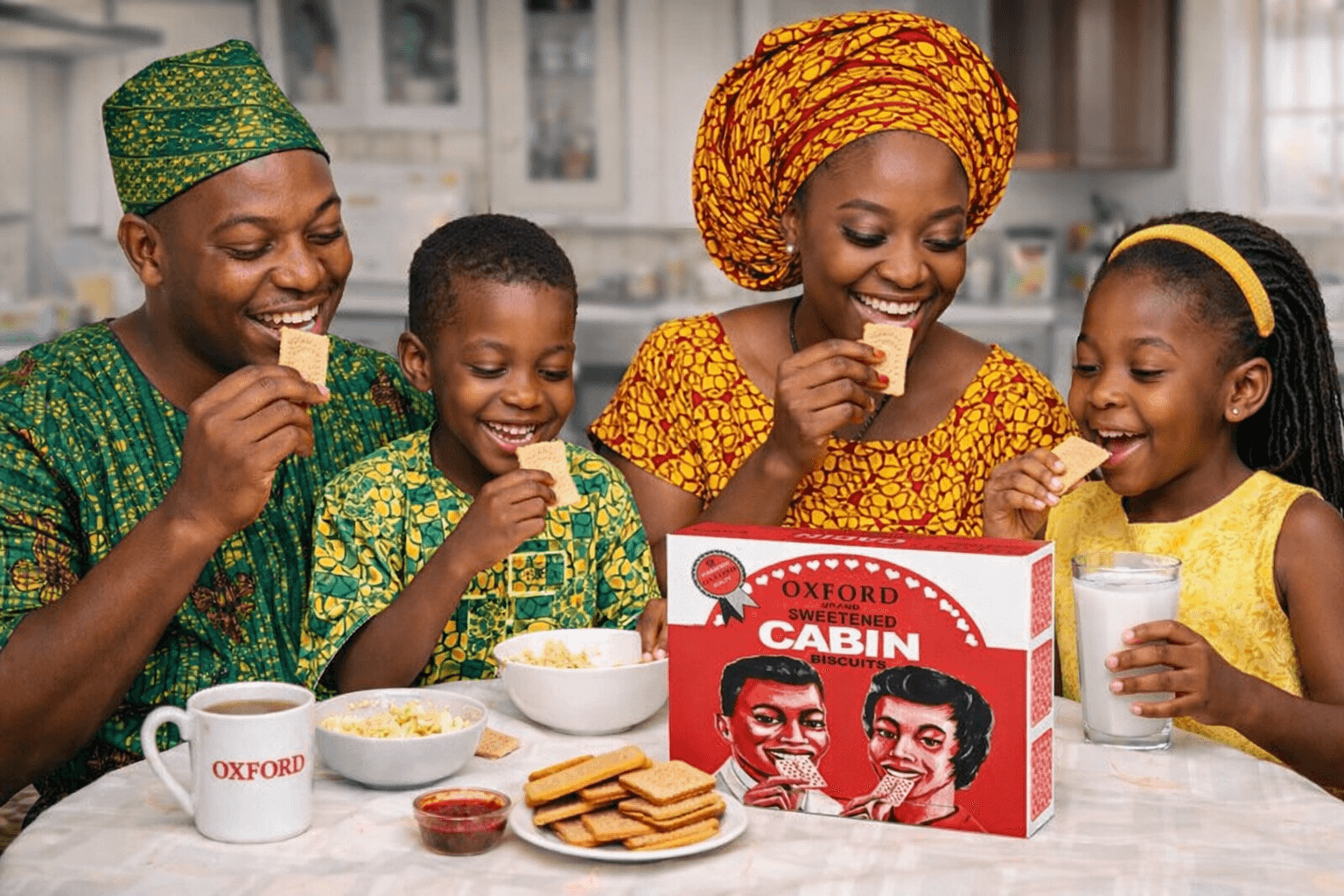
Niger Biscuit Company remains one of the category's oldest and most culturally embedded names. Niger Biscuit Company Limited is one of Nigeria's oldest and most iconic biscuit makers, widely remembered for its Oxford range, especially the much-loved Oxford Cabin biscuits. Its product portfolio also includes Oxford Cream Crackers, Oxford Groundnut Cookies, Oxford Glucose Biscuits, Prince Cream Crackers, Sesamix, Master Chef Rich Shortcake, and Yummies biscuits, a broad selection that has helped Niger Biscuit preserve its place among the best biscuits available in the country.
Why Sachets and Small Packs Now Define Everyday Purchase
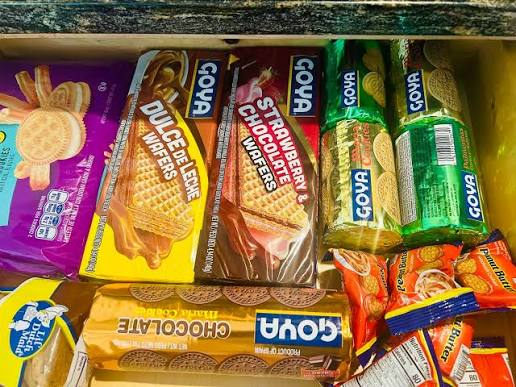
As with detergent, toothpaste and diapers, Nigeria's biscuit category has been reshaped by the sachet economy, though here the driver is not just affordability but sheer survival in a market under acute income pressure. A Sagaci Research survey found that products like Peak's 14-gram milk sachet, Gino's 3-gram curry sachet, Beloxxi's 30-gram biscuit pack, and Action Bitters' 5cl format rank among the country's most consumed FMCG products, reflecting a shopping culture shaped by daily cash flow constraints and immediate consumption needs. The structural logic behind this shift is stark. The sachet business isn't a marketing gimmick, it's a survival mechanism for both sides of the transaction, with the National Bureau of Statistics' 2020 Nigerian Living Standards Survey finding that 83 million Nigerians, or 40.1% of the population, live below the poverty line, pushing brands priced above that threshold to court an "emerging class consumer" segment.
What Nigerian Consumers Consider Before Choosing a Biscuit Brand
Price and Pack Size Flexibility
For most households, small-format packs and sachets remain the decisive factor, allowing biscuits to remain an accessible everyday snack even as broader food inflation squeezes discretionary spending.
Taste, Texture and Flavour Variety
Consumers continue to weigh cream filling, crunch and sweetness levels heavily, with legacy names like Oxford Cabin and Beloxxi Cream Crackers retaining loyalty built over decades of consistent taste.
Health and Ingredient Positioning
A growing segment of buyers pays attention to ingredient claims. Some manufacturers have positioned their cream cracker biscuits as baked with low fat, sugar, salt, no additives, carotenes, vitamin A, and vitamin E, providing customers with healthier snacking products at an affordable price.
Authenticity and Product Safety
Counterfeit and expired biscuit products have become a documented regulatory concern in Nigeria. During one enforcement raid, NAFDAC revealed that workers were caught repackaging expired biscuits into sacks and other expired items, including dairy milk, vegetable oil, soft drinks, and detergents. Everyday consumer experience reflects the same risk. One shopper's account illustrates the problem directly: she bought a pack of biscuits from a nearby supermarket and had snacked on some of the biscuits before checking the expiry date, only to discover that it expired a month earlier.
The Rise of Informed Biscuit Buyers
Nigerian households, increasingly cautious amid tightening food budgets, are researching more before they buy. Common searches include:
Best biscuit brands in Nigeria 2026
Beloxxi vs Yale vs Nasco comparison
Cheapest biscuit sachet prices in Nigeria
Best biscuits for kids in Nigeria
Biscuit price list 2026
Is my biscuit pack expired or fake
This growing research culture, amplified by social media discovery, is reshaping brand consideration in ways traditional advertising alone no longer fully controls.
Challenges Facing Nigeria's Biscuit Industry
Collapsing household purchasing power represents the single greatest threat facing the category today. Nigeria's biscuit manufacturers are experiencing a significant decline in sales due to shrinking consumer purchasing power, inflationary pressures, and factory shutdowns, with cash-strapped consumers increasingly focusing their expenditures on essentials like food, clothing, and shelter. Industry leadership has confirmed the severity of the slowdown directly. "The demand for biscuit products is declining rapidly in the country. Our primary market consists of average and low-income earners, and many of them are no longer purchasing biscuits as they used to," said Akin Akintayo, chairman of the Biscuit and Bakery Group at MAN. The consequences have already forced some manufacturers out of the market entirely, with reports confirming Deli Foods, once a top-five player, has shut down.
Thin operating margins compound the pressure facing formal manufacturers. Operating margins in Nigeria's biscuit manufacturing segment remain slim, considering that the business is driven by volume. Rising informal competition adds a further structural challenge, since artisanal producers, now commanding over a third of the sector, generally operate outside the cost burdens of formal regulatory compliance.
Counterfeit and expired product circulation remains an active enforcement concern, with NAFDAC's discovery of expired biscuits being deliberately repackaged for resale underscoring that authenticity risks in this category are not merely theoretical but actively being investigated and prosecuted.
Market Outlook for 2026 and Beyond
The broader Nigerian bakery category, of which biscuits form a core part, is still projected to expand steadily. The Nigeria Bakery Market is projected to grow at a compound annual growth rate (CAGR) of 8.5% during the forecast period from 2026 to 2032. That growth is expected to be underpinned by familiar structural forces. Nigeria Bakery Market growth is estimated to surge in the coming years, driven by rapid urbanization, rising disposable income, and changing dietary habits, with bread remaining a staple food across households while biscuits and cakes are increasingly consumed as convenient snacks.
Continentally, the category's fundamentals remain sound even as near-term pressure persists. Nigeria, Egypt, and Tanzania will continue to anchor the African sweet biscuits market, though high-growth potential also exists in the secondary tier of countries such as the DRC, Ethiopia, and Kenya, where urbanization and formal retail expansion are accelerating. Premium positioning is expected to gain ground even amid affordability pressure at the mass-market base. Demand will continue to segment, with the premium and fortified sub-segments growing at a faster clip than the overall market, albeit from a smaller base.
Sustainability and packaging responsibility are also emerging as a differentiator among leading manufacturers. Beloxxi has positioned itself at the forefront of this shift, working through the Food and Beverage Recycling Alliance, Nigeria's first Producer Responsibility Organisation, established in 2018, which has grown from four founding members to 49 member organisations as of November 2025.
Conclusion
Nigeria's biscuit market in 2026 tells a story shaped less by brand rivalry alone and more by a broader test of household resilience. Born from a 2003 import ban that forced local manufacturing into existence, the category built genuine scale through names like Yale Foods, Beloxxi, Niger Biscuit and OK Foods, only to now confront a harder reckoning as shrinking incomes squeeze demand and push volume toward informal producers who now command over a third of the sector. For established manufacturers, the path forward will likely depend on defending affordability through smaller pack formats and sachets, much as detergent, toothpaste and diaper brands have done, while distinguishing themselves through quality, health positioning and packaging responsibility as they compete against a rising tide of artisanal alternatives and counterfeit risk.
About this Report
The Flipbz Biscuit Brands in Nigeria (2026) Market Report is an independent editorial publication prepared using publicly available information from KPMG industry research, the Manufacturers Association of Nigeria (MAN), NAFDAC public communications, Sagaci Research and industry publications, together with independent market analysis by Flipbz. It is intended to provide market insight and does not constitute purchasing advice.

Please register to comment.
With these components in place, your business...
SolidBase Builders Limited is a professionall...
PrimeStone Construction Nigeria Ltd is a well...
CrestRock Engineering Services Ltd is a scala...
Open the Listing model file located in the ap...
Discover promising partnership opportunities in various industries.
Pitch Your Startup | Find Partners
.jpeg)


Comments