
Written By: Flipbz.org
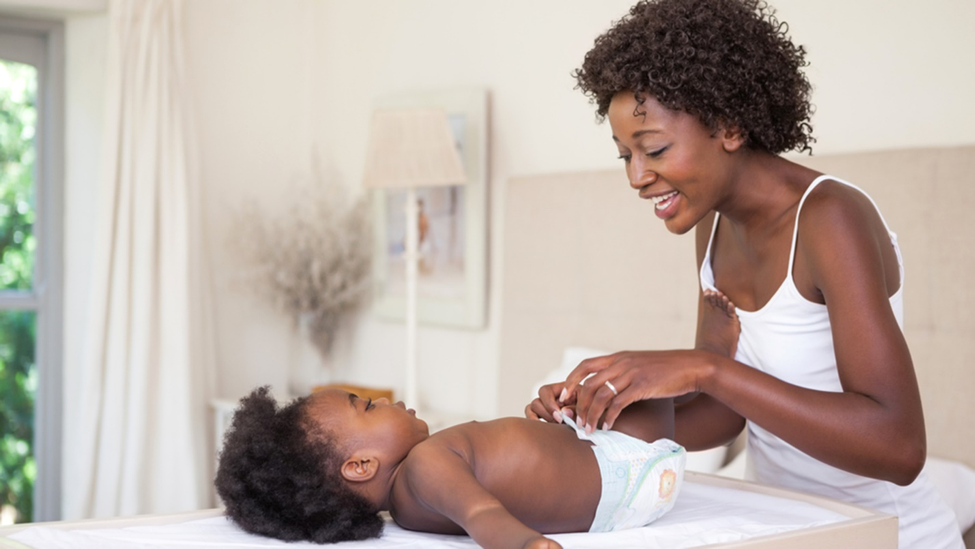
Diapers occupy a distinctive space in Nigerian household spending, a category tied directly to birth rates, income pressure and a mother's sense of care for her child, in a country that records one of the highest annual birth counts in the world. As with detergent and toothpaste, this is a category where one brand's name became so dominant that Nigerians still casually refer to other diaper brands by its name. That single-brand grip has since given way to a genuine three-way contest, even as inflation and currency pressure reshape how households actually buy.
The Flipbz Diaper Brands in Nigeria (2026) Market Report draws on publicly available data from company disclosures, Euromonitor and industry research platforms, NAFDAC public communications, and market intelligence sources, combined with Flipbz's own market analysis. The report does not rank or promote individual brands but examines the forces shaping pricing, brand loyalty and competition across Nigeria's diaper sector.
From One King to a Three-Way Contest
Nigeria's diaper story begins, much like detergent and toothpaste, with a single brand's near-total command of the category. Pampers is the first diaper brand ever produced and marketed in the country, and the product made its entry into the Nigerian market in 2000. For 15 years, the Pampers brand dominated and controlled about 100 per cent of the market share before other brands emerged to compete for market share. Its grip on consumer language became so complete that the Pampers brand became the generic name for diapers within Nigeria.
That dominance faced its first serious challenge in 2015. MOLFIX, under Hayat Kimya Nigeria, entered the Nigerian market amid stiff competition, an unfavourable business climate and a crippling recession marred by scarce forex, plunging in with an audacious investment of $100 million into production and an ultra-modern diaper and tissue factory in Agbara, Ogun State. The brand's ascent was rapid. Barely two years after it entered the Nigerian market, Molfix assumed the leadership position of the diaper category with 44.3 per cent of the total market share, according to a report from Brand Communicator based on A.C. Nielsen data.
Pampers responded by strengthening its local footprint and product range. In response to the threat posed by new entrants, and in a bid to increase patronage, Pampers manufacturer Procter & Gamble added Pampers Baby Dry and Pampers Premium to the product portfolio, and also commissioned a $300 million industrial plant in Agbara, Ogun State. Huggies, the third major name in the category, rounded out the field, produced by Kimberly-Clark, which went on to further deepen its local commitment. Kimberly-Clark launched a USD 100 million diaper manufacturing facility in Ikorodu, Lagos State, aimed at providing Nigerian consumers with high-quality feminine and baby care products and further strengthening the company's presence in the country.
The Brands on Nigerian Shelves Today
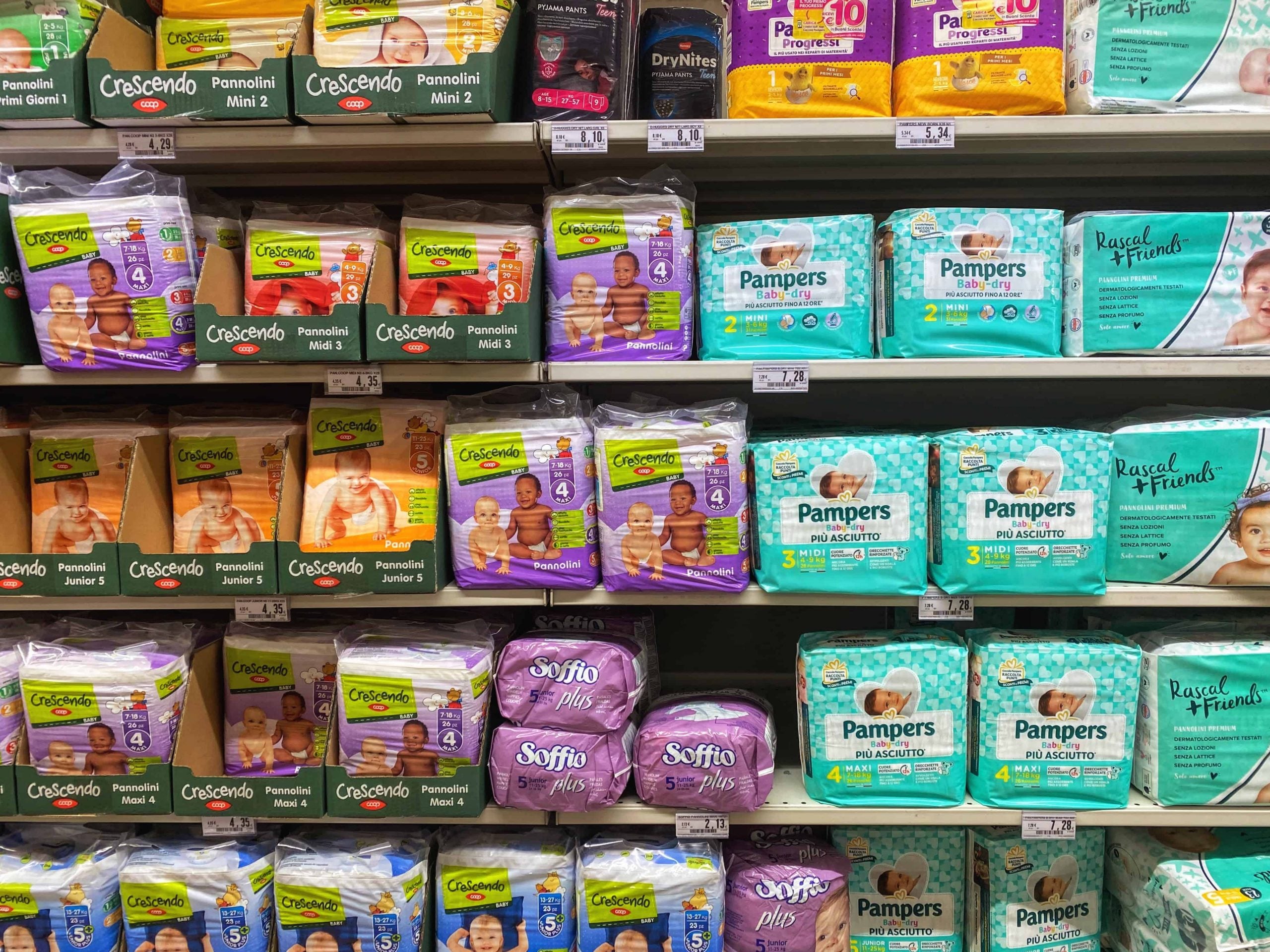
Today's Nigerian diaper market is anchored by three major multinational names, supported by a long tail of smaller local and imported brands. Today there are three major diaper brands that are slugging it out for a slice of the market share: Pampers, Molfix and Huggies. Beyond these leaders, the field remains crowded. There are over 16 diaper brands in the market.
Pampers continues to lean on decades of trust and product breadth. Pampers is specially designed to help maintain healthy skin with skin-protecting lotion, and is available for newborn (0-3 months), Baby (3-12 months), and Toddler (12+ months) age ranges. Its cultural imprint remains strong even now. The popularity of Pampers also reflects on other diaper brands as most people also use it as a general term, equally referring to other diaper brands as pampers.
Molfix has built its identity around newborn-specific engineering and comfort features. Molfix, a diaper brand produced by Hayat Kimya Nigeria Ltd, is designed to give babies full protection and keep their skin dry and healthy around the clock, and Hayat Kimya, which started producing Molfix baby diapers in Turkey since 1987, presently has production plants in Algeria, Iran, and Egypt. Product-level differentiation has become a key part of its appeal. Molfix diaper is specially designed with an umbilical cord notch that seats below babies' umbilical cord allowing it to be aerated and heal properly, it has an extra absorbent green layer soaking up pee, a breathable back sheet preventing diaper rash, and super elastic sidebands giving babies freedom of movement. The company has also moved into sustainability-focused innovation. Hayat Kimya launched an eco-friendly baby diaper and sanitary pad, Bebem Natural Essence Baby Diaper and Molped Sanitary Pad, in Nigeria, made from sustainably sourced natural bamboo fibres and organic cotton extract.
Huggies, produced by Kimberly-Clark West Africa, rounds out the "big three," with the brand's continued investment in local manufacturing reinforcing its position as a serious long-term contender rather than a distant third player. Beyond the major three, smaller brands persist but face structural headwinds. The performance of other smaller brands in the country is hampered by strong competition from the leading brands and weak distribution channels, with brands such as Dr. Browns and Sunfree experiencing frequent stock-outs as their availability is solely dependent on the vagaries of importation policies. A wave of imported alternatives has also entered through porous trade channels. The Nigerian market has been flooded with various imported diaper brands, driven by factors including a porous border and weak import policy, including Luvs, Earth's Best, Honest Diapers, Babyganics, Little Angel, Eco-Natural, Supreme, Bambo Nature and Virony.
Why Pack Size and Price Now Define Purchase Decisions
Nigeria's diaper category has always been shaped by one dominant constraint: price sensitivity relative to income. Diapers as a category generally has a high consumer awareness in Nigeria and are widely used by the middle and upper consumer classes, with the disposable diaper's benefits versus cloth being quite clear to the consumer. Yet affordability remains the single biggest obstacle to deeper category growth. The biggest hurdle in achieving better growth for the diaper category is price, and as a result, quality mid-priced disposable diapers as well as smaller packs are attractive to middle and lower income earners.
Recent years have sharpened this dynamic considerably. In Nigeria, 2023 saw a sharp increase in unit prices due to rising fuel costs and currency depreciation, weakening consumer spending power, leading to average unit price hikes of over 30 per cent, forcing many consumers to purchase diapers only for occasional use and to opt for smaller pack sizes or bulk-broken offerings. The strain has continued into more recent reporting periods. Sales of nappies/diapers/pants experienced a significant increase in value in 2024, driven mainly by higher prices as volume sales recorded a decline, a fall attributed to high inflation, increased costs of imported raw materials, foreign exchange instability, and the devaluation of the local currency, which has reduced consumer purchasing power.
This pressure has pushed some households toward hybrid strategies rather than abandoning disposables altogether. Using a mix of disposable and cloth diapers is not uncommon, especially when economic times are tough. A parallel reusable-diaper trend is also gaining early traction across the region. The region's demographic profile provides a powerful foundation, with a stark economic reality where the cost of disposable diapers can consume 15 to 25 per cent of urban household discretionary spending, making reusable newborn diapers, encompassing classic cloth systems and modern engineered alternatives, an increasingly attractive total cost of ownership for cost-conscious parents. Even so, cloth remains a secondary option in Nigeria specifically, where brand trust in disposables runs deep. In Nigeria, there is a high consumer awareness regarding the benefits of disposable diapers over cloth ones, increasing their adoption by middle- and upper-class consumers.
What Nigerian Consumers Consider Before Choosing a Diaper Brand
Price and Pack Size Flexibility
Cost remains the single biggest determinant of brand choice for most households, with smaller packs and even individually sold units becoming common as families manage tighter budgets amid sustained inflation.
Absorbency and Leak Protection
Cleaning and comfort performance remain core purchase drivers, with consumers frequently comparing brands based on absorbent core technology, breathable backsheets and their capacity to prevent leaks through the night.
Skin Safety and Comfort Features
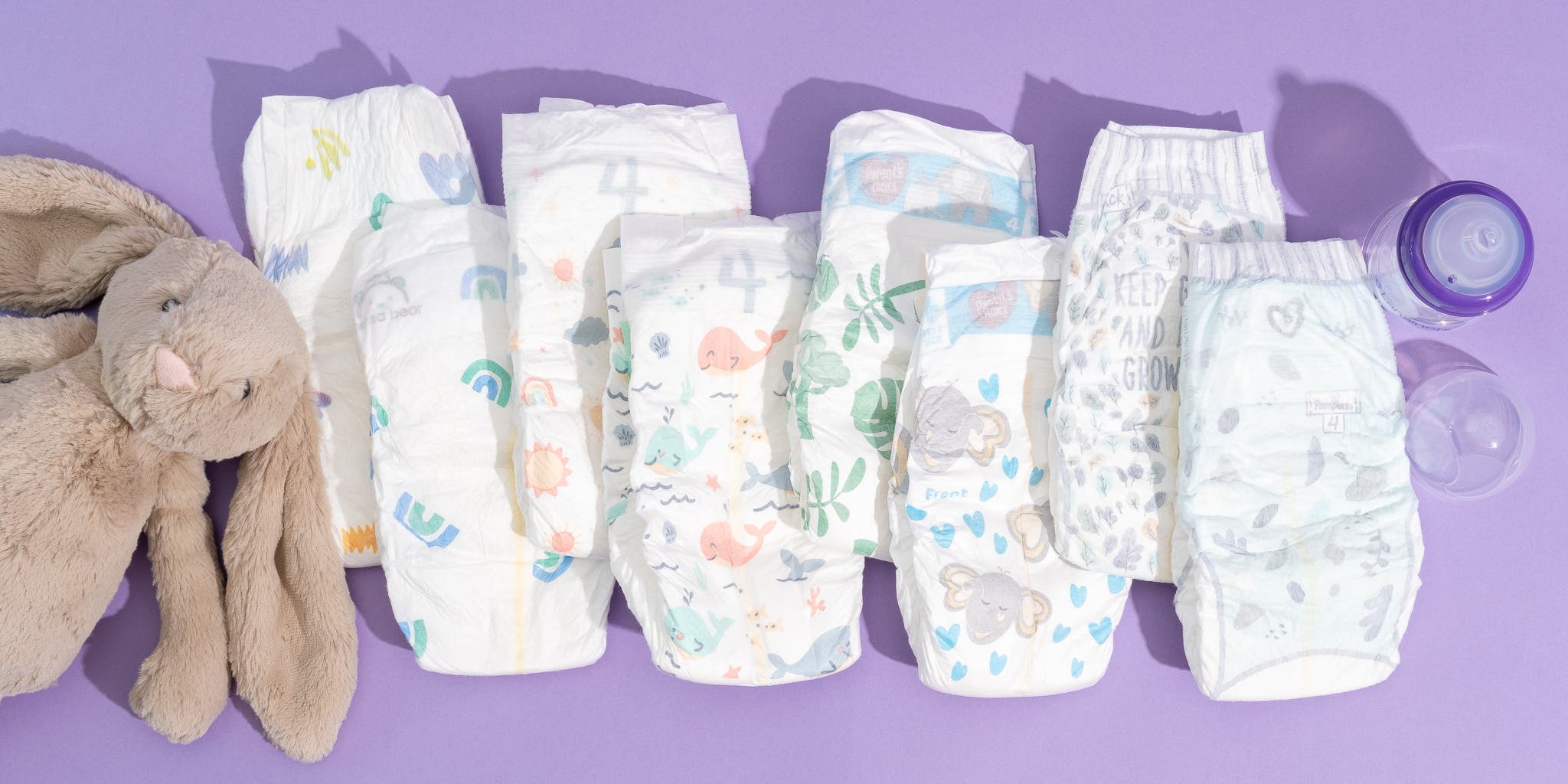
Newborn-specific design features, such as umbilical cord notches, stretch ears and hypoallergenic materials, have become meaningful differentiators for parents of infants in particular, shaping loyalty toward brands seen as gentler on sensitive skin.
Authenticity and Product Safety
Counterfeit and substandard diaper products remain a genuine concern for Nigerian regulators and neighbouring markets alike. Cross-border enforcement action illustrates the scale of the problem, with one seizure involving a consignment of counterfeit diapers smuggled from Nigeria, branded in the name of a Ghanaian company, impounded while being offloaded in Kumasi. Investigators in that case confirmed the products were unsafe, noting that port duty documents covering the consignment were found to have been forged, and further tests confirmed that the products were fake and unsafe for public use. Within Nigeria itself, isolated product-safety complaints have also drawn public attention, prompting calls for regulatory scrutiny of specific diaper incidents reported by consumers on social media.
The Rise of Informed Diaper Buyers
Nigerian parents, particularly those managing tighter budgets amid ongoing inflation, are increasingly researching before they buy. Common searches include:
Best diaper for newborns in Nigeria
Pampers vs Molfix vs Huggies comparison
Cheapest diaper prices in Nigeria 2026
Best diaper for sensitive skin
Diaper price list 2026
Is my diaper original or fake
This growing research culture, amplified by social media discovery through platforms like TikTok, Instagram and Facebook, and reinforced by a growing direct-to-consumer segment, is reshaping brand consideration in ways traditional advertising alone no longer fully controls, with one market analysis noting Nigeria's rapidly growing DTC segment driven by social media in cities like Lagos and Abuja.
Challenges Facing Nigeria's Diaper Industry
Currency and input cost exposure remains a defining structural challenge, since diaper production depends heavily on imported raw materials whose costs rise directly with naira depreciation, a dynamic that has already driven double-digit unit price increases in recent years.
Volume pressure amid rising value is reshaping category economics. Even as naira-value sales climb, underlying demand volumes have softened, a pattern the market data attributes directly to high inflation, increased costs of imported raw materials, foreign exchange instability, and the devaluation of the local currency.
Counterfeit and smuggled product flows add a further layer of complexity, with cross-border cases showing that Nigeria-linked counterfeit diaper networks are sophisticated enough to forge official trade documentation, undermining consumer trust in the wider category even when the products in question did not originate from legitimate Nigerian manufacturers.
Low per-capita usage relative to developed markets represents both a challenge and a long-term opportunity. The per capita use of diapers and nappies in Nigeria is very low compared to developed markets, creating a basis for further expansion as continuous growth in industrialization and urbanization is expected to increase disposable income in the coming years.
Market Outlook for 2026 and Beyond
Nigeria's diaper market has demonstrated some of the strongest growth momentum on the continent in recent years. Nigeria's baby diaper market grew at approximately 13.3 per cent annually from 2020 to 2025, driven by high birth rates, rapid urbanisation, and rising disposable incomes. The country's scale within the regional picture is substantial. Nigeria alone accounts for approximately 17 per cent of total continental diaper consumption volume, reflecting its position as Africa's most populous nation.
Revenue projections reflect continued expansion even amid volume pressure. In Nigeria, the revenue generated in the Baby Diapers market is projected to reach US$600.57 million in 2025. Looking ahead, industry analysts expect the value-volume gap to gradually close as macroeconomic conditions stabilise. Sales of nappies, diapers and pants are expected to see a double-digit value increase throughout the forecast period, and as the economy improves and inflation pressure decreases, a rise in volume growth is anticipated. Retail channels are also evolving alongside consumer behaviour. While retail e-commerce remains a niche, it is anticipated to experience significant growth during the forecast period, driven by increasing consumer awareness, fuelled by the rising use of social media among Nigerians, as well as growing demand for convenience due to the busy lifestyles of working women.
Modern retail expansion is expected to widen branded diaper accessibility further. South Africa's modern retail sector, led by chains including Shoprite, Pick n Pay, and Spar, is actively expanding across Zambia and Nigeria, broadening branded diaper product accessibility. Competitive intensity is expected to remain elevated rather than ease. The competitive landscape will be home to more intense vying for consumers over the forecast period, continuing an accelerating trend that was underway during the review period.
Conclusion
Nigeria's diaper market in 2026 reflects a category that has moved decisively from single-brand dominance into a genuine three-way contest, even as inflation and currency pressure continue to test household affordability at every price point. Pampers, Molfix and Huggies anchor the branded mainstream through years of manufacturing investment and product trust, while smaller local and imported names compete for the margins left by distribution gaps and price sensitivity. For manufacturers, the path forward will likely depend less on unseating established brand loyalty and more on winning the affordability battle, whether through smaller pack formats, local manufacturing that shields against currency shocks, or continued investment in the newborn-specific comfort and safety features that Nigerian parents have come to expect.
About this Report
The Flipbz Diaper Brands in Nigeria (2026) Market Report is an independent editorial publication prepared using publicly available information from company disclosures, Euromonitor, industry research platforms and market intelligence sources, together with independent market analysis by Flipbz. It is intended to provide market insight and does not constitute purchasing advice.
Please register to comment.
With these components in place, your business...
SolidBase Builders Limited is a professionall...
PrimeStone Construction Nigeria Ltd is a well...
CrestRock Engineering Services Ltd is a scala...
Open the Listing model file located in the ap...
Discover promising partnership opportunities in various industries.
Pitch Your Startup | Find Partners

.jpg)
.jpg)


Comments