

Written By: Flipbz.org
Every Nigerian household has its own nightly ritual against mosquitoes, whether it is a spray before bed, a coil lit in the corner of a room, or a small bottle kept close for cockroaches and ants. In 2026, the category's real story defies what television adverts would suggest. A homegrown brand quietly outsells global names like Raid and Baygon in overall value, while a product officially restricted by regulators for years due to suicide related deaths remains one of the most searched and reached for insecticides in the country.
The Flipbz Insecticide Brands in Nigeria (2026) Market Report draws on publicly available information from NAFDAC, Euromonitor market data and industry research platforms, combined with Flipbz's own market analysis. The report does not rank or promote individual brands but examines the pricing, regulatory and consumer behaviour forces shaping Nigeria's household insecticide market.
A Crowded Market Built Around One Shared Enemy, the Mosquito
Nigeria's insecticide market exists almost entirely because of a single, unrelenting problem, mosquitoes and the malaria they carry. That shared enemy has pulled in a genuinely wide field of manufacturers over the decades. There are several insecticide companies and brands in the market which include Gongoni, manufacturers of Rambo, Reckitt Benckiser Nigeria, makers of different ranges of Mortein, and S.C. Johnson Nigeria Limited, producers of various brands of Baygon and Raid insecticides, alongside Mobil Nigeria and a wide range of locally produced mosquito and insect killing products.
For years, three multinational names appeared to lead consumer preference simply by name recognition. Three brands, Baygon, Mortein and Raid, have emerged topmost in preference by consumers' popular demand, which has pitched manufacturers against each other. Yet the actual sales data tells a different story. According to recent market tracking, Gongoni Co Ltd is the leading manufacturer in home insecticides in Nigeria, with a value share of 35 percent in 2025, a homegrown company that has quietly outperformed every global rival in the category.
Newer entrants and revivals continue to reshape the shelf too. In 2025, Sniper by Saro Lifecare Ltd and Good Knight by Godrej Nigeria Ltd stood out in terms of share growth, while older names are making unexpected comebacks, since BNC Insecticide is back in the market, its sudden reappearance on supermarket shelves, neighborhood stores and open markets creating a sense of curiosity among Nigerians who remember the brand from years ago.
The Brands on Nigerian Shelves Today
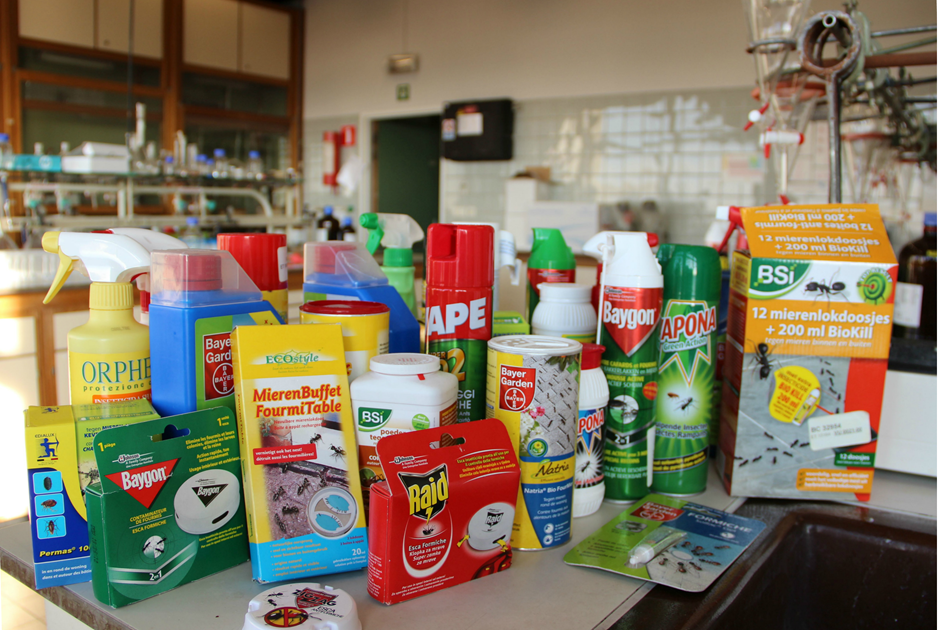
Today's insecticide shelf spans a dense mix of multinational sprays, local heavyweights and agricultural formulations that have found their way into household use. Raid has built a reputation as a brand many Nigerian families recognise when searching for insect protection, and its journey in Nigeria is described as a story of survival, trust, adaptation, and competition. Baygon has leaned on longevity and breadth of use, since this insect killer has been in the Nigerian market for over fifty years and continues to lead the way as far as mosquito repellent is concerned, working against mosquitoes, crickets, cockroaches, ants and spiders alike.
Mortein has positioned itself around speed and safety messaging, described as a very popular and effective insecticide brand that kills insects twice as fast as many other insect killers in Nigeria, while being safe on humans but very powerful against the insects it was produced to kill. Rambo, produced locally by Gongoni, has built its identity around being tailored specifically to Nigerian conditions, sold in spray, powder and paper coil form, and ideal for use both within and outside the house.
Beyond these familiar names, a genuinely long tail of smaller and regional brands fills out the rest of the shelf. Jumia's own insecticide listings show a market crowded with names including Mortein, Baygon, Blue Diamond, BNC, Gongoni, Good Knight, Kincho, Raid, Rambo, Ridax and Sniper, reflecting just how fragmented consumer choice really is once you step outside the three most advertised names.
Why the Sniper Controversy Still Defines the Market
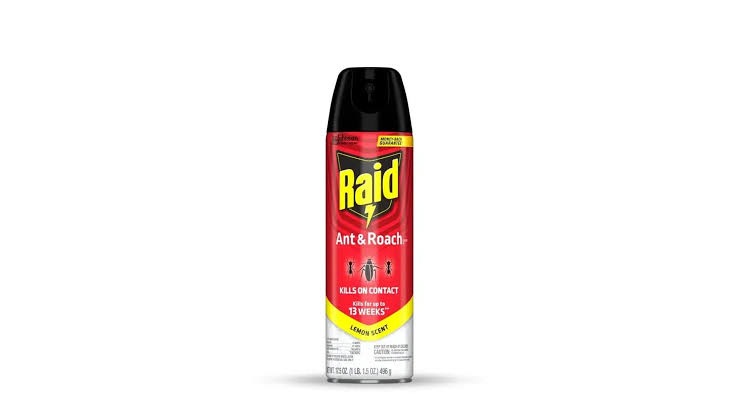
Perhaps no single product tells this category's story more sharply than Sniper, an agricultural insecticide that millions of Nigerians adopted for household pest control despite it never being designed for that purpose. Concerned about the recent trend in the abuse and misuse of 100ml of Sniper insecticide and other brands of agricultural formulations of Dichlorvos to commit suicide, NAFDAC banned with immediate effect the importation and manufacture of the 100ml pack size in 2019. The regulator was explicit about why, warning that the abuse and misuse of these products is associated with serious public health hazards such as cancer and respiratory disorder.
Enforcement, however, has struggled to keep pace with demand. A month after the ban's effective date, journalists visiting markets in Abuja observed that sniper products could still be bought in the market with no restriction, with one dealer defending the trade by noting it's a source of livelihood for these persons and that the people who buy it are not buying it to go and commit suicide. Years later, the product remains available under tighter rules rather than a full disappearance, since the sale of small volume dichlorvos of 100ml or less, sold as Sniper, has been banned since 2019, while the sale of the larger one litre size is limited to certified agrochemical outlets.
Despite the controversy, and perhaps partly because of the strong smell competing brands lack, Sniper has remained genuinely popular with everyday consumers. In one public poll on preferred mosquito repellents, Sniper recorded the most votes, accounting for 31 percent, ahead of Raid at 29 percent and Mortein at 28 percent, with some Nigerians reasoning that if humans can't perceive a competing product's smell, then mosquitoes might not either. That consumer logic, choosing a stronger smelling, officially restricted product over odourless multinational brands, remains one of the most distinctive quirks of Nigeria's insecticide market today..
What Nigerian Consumers Consider Before Choosing an Insecticide Brand
Killing Power and Speed
Many households judge a brand almost entirely on how fast it works against the specific pest bothering them, whether that is mosquitoes at night or cockroaches in the kitchen, a factor brands like Mortein have built entire campaigns around.
Smell and Perceived Strength
Contrary to what odourless marketing might suggest, a meaningful share of Nigerian consumers associate a strong, noticeable smell with effectiveness, a belief that has helped strong smelling products remain popular even against heavily advertised odourless alternatives.
Price Per Can and Pack Size
With household budgets under pressure from inflation, affordability plays a major role, and the category has responded accordingly, since the high inflation rate fuelled double digit retail value growth for home insecticides, with constrained budgets contributing to the strong growth of mosquito coils and other more affordable formats.
Safety and Regulatory Status
A growing number of consumers now pay attention to whether a product is meant for household use at all, particularly following years of public warnings around agricultural formulations misused indoors, a concern NAFDAC continues to actively communicate to the public.
The Rise of Informed Insecticide Buyers
Nigerian households, increasingly conscious of both effectiveness and safety, are researching more carefully before choosing an insecticide brand. Common searches include:
Best insecticide spray for mosquitoes in Nigeria
Raid vs Baygon vs Mortein comparison
Is Sniper insecticide banned in Nigeria
Cheapest insecticide spray prices in Nigeria
Best insecticide for cockroaches and ants
Insecticide price list 2026
This growing research culture, amplified by social media discovery on platforms like TikTok, continues to shape which brands earn repeat household trust.
Challenges Facing Nigeria's Insecticide Industry
Regulatory enforcement gaps remain a persistent challenge, since restricted agricultural formulations like Sniper continue to circulate in open markets years after formal bans, undermining the intended protective effect of the regulation itself.
Health and safety risk from misuse continues to shadow the category more broadly, with NAFDAC repeatedly warning the public to desist from the misuse of agricultural formulations of Dichlorvos as household insecticides, a message that has not fully stopped widespread household use of agricultural strength products.
Affordability pressure under inflation continues to shift consumer behaviour toward cheaper formats, with coils and lower cost sprays gaining volume even as premium spray and aerosol formats face slower growth due to constrained household budgets.
Market Outlook for 2026 and Beyond
Nigeria's home insecticide category is expected to keep growing steadily as both climate and health concerns sustain demand. Broader African market analysis points to urbanization and rising household incomes shifting preference from commodity repellent coils and cheap aerosols toward branded sprays, electric vaporizers and premium natural repellents, particularly in cities like Lagos. Over the coming decade, the Africa bug control market is expected to grow at a volume CAGR of 5 to 7 percent between 2026 and 2035, with value growth slightly higher due to a mix shift toward premium and natural segments.
Newer, gentler product categories are also beginning to compete for space on Nigerian shelves, mirroring a global shift where natural or organic insect repellents are projected to grow at a CAGR of 7.1 percent from 2026 to 2033, driven by increasing consumer preference for environmentally friendly options, even though conventional synthetic formulations still accounted for over 69.8 percent of the wider global market in 2025. For Nigeria specifically, continued urban growth, unpredictable rainfall patterns and sustained malaria awareness campaigns are expected to keep demand resilient regardless of which brand ultimately wins any given household's loyalty.
Conclusion
Nigeria's insecticide market in 2026 remains one of the country's most quietly misunderstood consumer categories. The brands with the biggest television budgets are not necessarily the brands winning at the till, Gongoni's local dominance and Sniper's stubborn popularity both prove that trust here is built through smell, speed and word of mouth as much as through advertising. With regulatory enforcement still playing catch up and household budgets tightening, the insecticide brands that grow fastest from here will likely be those that can prove both real killing power and genuine safety, not just a familiar jingle.
About this Report
The Flipbz Insecticide Brands in Nigeria (2026) Market Report is an independent editorial publication prepared using publicly available information from NAFDAC, Euromonitor market data and industry research platforms, together with independent market analysis by Flipbz. It is intended to provide market insight and does not constitute purchasing advice.

Please register to comment.
With these components in place, your business...
SolidBase Builders Limited is a professionall...
PrimeStone Construction Nigeria Ltd is a well...
CrestRock Engineering Services Ltd is a scala...
Open the Listing model file located in the ap...
Discover promising partnership opportunities in various industries.
Pitch Your Startup | Find Partners
.jpg)


.jpg)



Comments