
Written By: Flipbz.org
Mayonnaise is not a Nigerian invention, yet it has quietly worked its way into some of the country's most everyday food moments, spread inside a shawarma wrap, layered into a sandwich, stirred into a salad at a Sunday party. In 2026, the category's real story is not multinational dominance, it is a homegrown brand that rebuilt itself through local manufacturing, and a fast growing fusion food culture that keeps giving mayonnaise new reasons to sell.
The Flipbz Mayonnaise Brands in Nigeria (2026) Market Report draws on publicly available information from industry research platforms and market intelligence sources, combined with Flipbz's own market analysis. The report does not rank or promote individual brands but examines the pricing, manufacturing and consumer behaviour forces shaping Nigeria's mayonnaise market.
A Condiment That Found a Second Home in Nigerian Kitchens
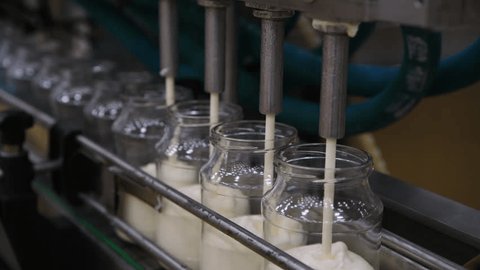
Mayonnaise arrived in Nigeria as an import, carried in by international brands long before any local factory considered producing it. Mayonnaise was initially introduced to Nigeria through imports, with international brands dominating the market, and as the Nigerian economy expanded and consumer preferences shifted towards locally produced goods, local manufacturers began producing mayonnaise to meet rising demand. That shift did not happen overnight, but it changed the category permanently. In the early 2000s, notable Nigerian food processing companies ventured into mayonnaise production, making the condiment more accessible and affordable, and today mayonnaise is a popular household item and an essential ingredient in many Nigerian dishes, such as salads and sandwiches.
Bama has become the clearest face of that local manufacturing shift. GBfoods, the global culinary giant, rebranded Bama, the leading mayonnaise brand into the Nigerian market, with the new Bama Mayonnaise, which derived its heritage from the United States of America, now manufactured locally from a recently completed multi billion naira state of the art production factory located at Sango, Ogun State, as an added assurance of the company's commitment to Nigeria's economic development through localisation. The brand has since built its entire public identity around that position, with the brand's own social channels describing themselves plainly as the number one mayonnaise brand in Nigeria, with a rich heritage of a recipe developed in the USA over 80 years ago.
Rivals have carved out their own space around affordability rather than heritage. Devon King's Mayonnaise, produced by PZ Wilmar, is known for its affordability, positioning it as the accessible alternative for budget conscious households, mirroring the same value strategy the parent company has long used with its cooking oil business.
The Brands on Nigerian Shelves Today
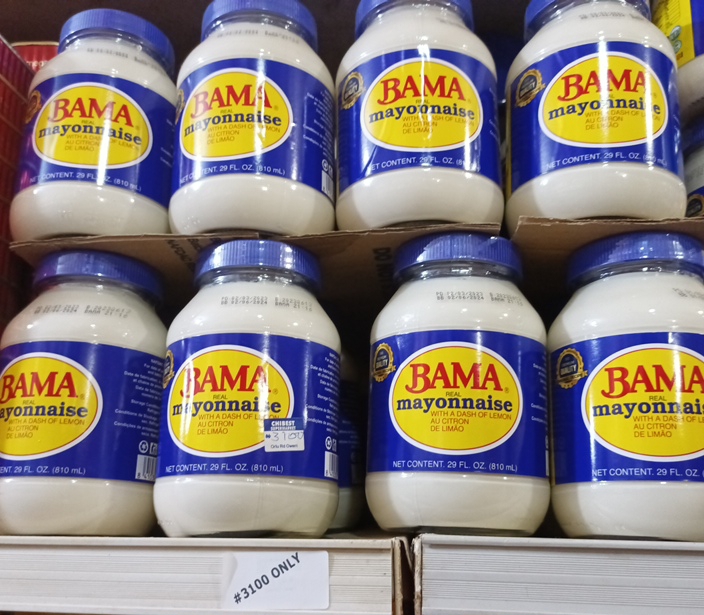
Today's Nigerian mayonnaise shelf blends one dominant local heritage brand, a budget focused challenger, and a widening field of imported and niche names competing for space. Bama Mayonnaise, produced by Mamador/Flour Mills Nigeria, is a widely recognized local product, Devon King's Mayonnaise, produced by PZ Wilmar, is known for its affordability, and other emerging brands are targeting niche markets, such as vegan or organic mayonnaise.
Beyond these two, retail listings show a genuinely crowded shelf. Products commonly stocked across Nigerian stores include Bama Real Mayonnaise, Jago Mayonnaise and Jago Light Mayonnaise, C'est Bon Premium Light Mayonnaise, Laziz Real Mayonnaise, alongside imported names like Hellmann's and Chosen Foods avocado oil based mayonnaise catering to a smaller, more health conscious buyer segment.
Bama has also moved beyond the classic jar format to chase specific, trending Nigerian food occasions directly. The brand's own product lineup now includes a ready made Bama Shawarma Mix, a smooth, creamy blend of mayo, ketchup and other ingredients, a format designed specifically for the shawarma culture that has exploded across Nigerian cities in recent years.
Why Fusion Food Culture Now Drives Mayonnaise Demand
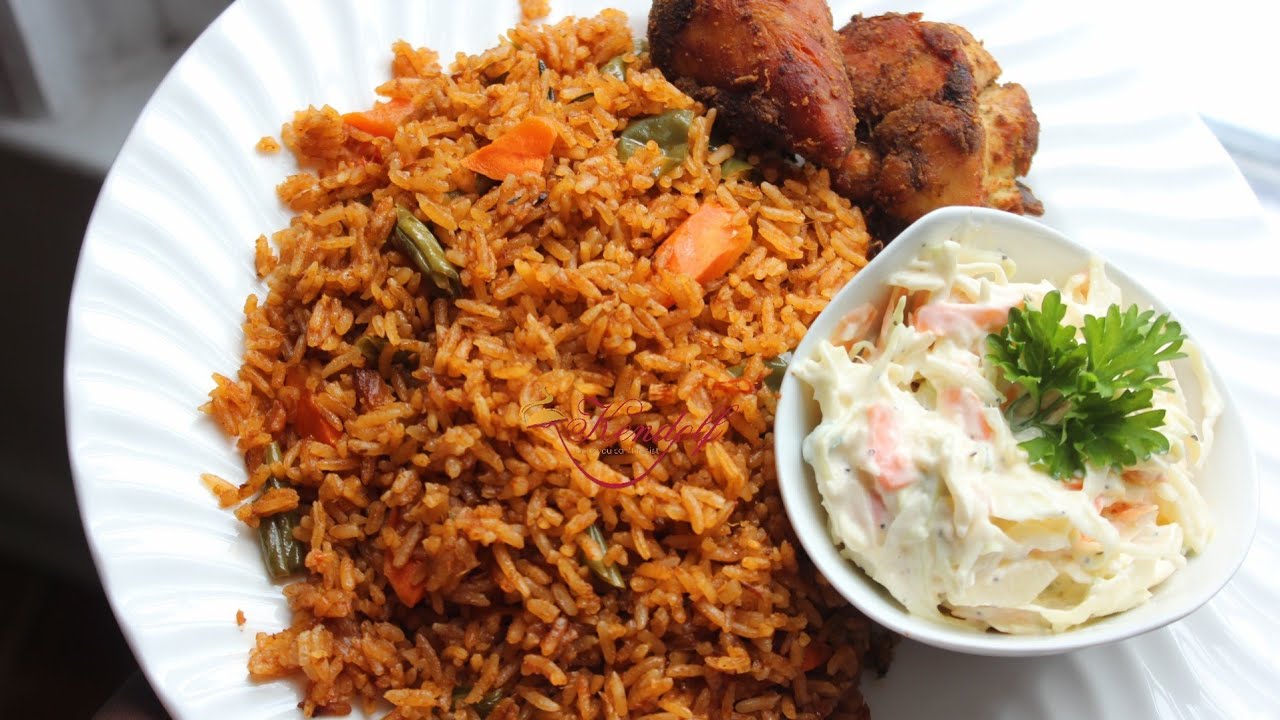
Perhaps no trend has boosted this category more than Nigeria's growing appetite for fusion food, dishes that blend traditional Nigerian cooking with newer, global inspired formats. This new trend has led to the introduction of more delectables into Nigerian cuisine with meals such as sandwiches, shawarma, and salads, and several ingredients have now become the go to in making trado modern meals in Nigeria, one of which is mayonnaise, with its creamy texture and mild flavour that make it a perfect base for a wide variety of dishes.
That fusion trend cuts in both directions, pulling mayonnaise into dishes far beyond its original French roots. Its versatility has made it a popular choice for quick and easy meals like sandwiches, a relatively new concept in the country, with a prime example being the cheese chicken sandwich, where the creamy texture of Bama mayonnaise on Agege bread is layered with ingredients like chicken breast, eggs, and vegetables to create a unique and satisfying taste experience. Even distinctly local dishes are being reimagined with it, since Taliya Hausa, also known as local pasta made with ingredients like scotch bonnet pepper, daddawa, palm oil, and tomatoes, can also be elevated with Bama mayonnaise.
This is precisely the kind of demand driver market analysts point to when explaining the category's growth trajectory across the wider region, since the West Africa mayonnaise market is driven by the increasing number of fast food chains, and within the region, Nigeria is the largest regional market for the product, accounting for the majority of the market share, enjoying mayonnaise as a popular condiment used as a spread for burgers or sandwiches, a base for tacos or rolls, and a dip for snacks.
What Nigerian Consumers Consider Before Choosing a Mayonnaise Brand
Price Per Jar or Sachet
For most households, cost per serving remains central, particularly since mayonnaise is often bought in smaller pack sizes for occasional use rather than as a weekly grocery staple.
Creaminess and Taste
Texture and richness drive real brand preference, with buyers frequently comparing brands on how smooth and flavourful the final product feels when spread or mixed into a dish.
Local Sourcing and Freshness
A growing number of consumers now favour brands manufactured locally, associating local production with fresher stock and shorter time on shelves compared to imported alternatives.
Suitability for Specific Dishes
Buyers increasingly choose brands based on specific use cases, from classic sandwich spreads to shawarma sauces to salad bases, a shift that has pushed some brands to launch dish specific product variants rather than a single generic offering.
The Rise of Informed Mayonnaise Buyers
Nigerian households, increasingly experimenting with fusion recipes, are researching more carefully before choosing a mayonnaise brand. Common searches include:
Best mayonnaise for shawarma in Nigeria
Bama vs Devon King's mayonnaise comparison
Cheapest mayonnaise sachet prices in Nigeria
Best mayonnaise for sandwiches and salads
Mayonnaise price list 2026
Vegan and eggless mayonnaise brands in Nigeria
This growing research culture, amplified by food content on social media and recipe sharing among home cooks, continues to shape which brands earn repeat household trust.
Challenges Facing Nigeria's Mayonnaise Industry
Raw material cost exposure remains a genuine structural challenge, since vegetable oil, the primary ingredient, is often derived from palm oil or soybean oil, both of which are readily available in Nigeria, yet dependence on imported raw materials like vinegar and preservatives raises overall production costs.
Infrastructure gaps continue to weigh on manufacturers too, since poor transportation networks and inconsistent electricity supply affect production efficiency across the sector.
Competitive pressure between local and multinational players remains intense at different price points, since multinational brands dominate the premium segment, while local producers face stiff competition in the affordable range, leaving little room for weaker brands to survive on price alone.
Consumer education gaps also persist around healthier variants, since limited knowledge about health conscious options like low fat or vegan mayonnaise continues to slow adoption of newer, better for you product lines.
Market Outlook for 2026 and Beyond
Nigeria's mayonnaise category is one of the more consistently cited growth stories in West Africa's condiment sector. The West Africa mayonnaise market size reached almost USD 46.59 million in 2025, and is expected to grow at a CAGR of 9.00 percent between 2026 and 2035 to reach almost USD 110.30 million by 2035. A separate assessment places Nigeria's individual market size even more specifically, estimating Nigeria's 2025 mayonnaise market size at USD 81.46 million, with a regional share of 10.0 percent and a 5.8 percent CAGR, with informal trade accounting for 35 percent, retail 55 percent, food service 10 percent, and small pack sizes exceeding 20 percent of the category.
A slightly broader regional estimate paints an even larger picture, with the West Africa mayonnaise market size reaching USD 54.5 million in 2024, forecast to reach USD 95.2 million by 2033, exhibiting a CAGR of 6.07 percent during 2025 to 2033. Analysts point to several structural tailwinds behind this growth, since the increasing popularity of cooking shows and online culinary content, growing consumer exposure to international cuisines, and emerging innovations in packaging formats are some of the major factors contributing to the market's growth. The category's own growth drivers echo this, with rise in per capita income, improving living standards, growing western influence, and shifting dietary habits identified as major drivers, alongside key trends including the launch of low fat variants of mayonnaise and an increasing number of fast food chains in the region.
Conclusion
Nigeria's mayonnaise market in 2026 tells a quieter growth story than louder categories like detergent or milk, but a genuinely compelling one nonetheless. Bama's local manufacturing push has turned an imported French condiment into a Nigerian household name, Devon King's continues to win on affordability, and a widening field of niche and imported brands keep the category fresh. As fusion dishes, shawarma culture and sandwich style eating continue to spread across Nigerian cities, the brands that keep finding new dishes for mayonnaise to belong in will likely be the ones that keep growing fastest.
About this Report
The Flipbz Mayonnaise Brands in Nigeria (2026) Market Report is an independent editorial publication prepared using publicly available information from industry research platforms and market intelligence sources, together with independent market analysis by Flipbz. It is intended to provide market insight and does not constitute purchasing advice.

Please register to comment.
With these components in place, your business...
SolidBase Builders Limited is a professionall...
PrimeStone Construction Nigeria Ltd is a well...
CrestRock Engineering Services Ltd is a scala...
Here is an opportunity to buy an established...
Discover promising partnership opportunities in various industries.
Pitch Your Startup | Find Partners
.jpg)


.jpg)





Comments