
.jpg "The 50 Year Drink Now Caught in a Sugar Tax Fight: Inside Nigeria's Malt Drink Market")
Written By: Flipbz.org
Malt drinks occupy a strange, comforting corner of Nigerian life, poured at weddings, handed to children as a "healthier" soda alternative, and stocked in nearly every fridge at every party. In 2026, the category's real story is not simply which brand tastes best, it is a proposed tax increase that could push prices up by nearly forty percent, arriving just as new challenger brands are finally starting to earn genuine word of mouth against decades old household names.
The Flipbz Malt Drink Brands in Nigeria (2026) Market Report draws on publicly available information from the National Sugar Development Council, Nigeria's Senate Committees on Finance and Customs, industry research platforms and market intelligence sources, combined with Flipbz's own market analysis. The report does not rank or promote individual brands but examines the pricing, regulatory and consumer behaviour forces shaping Nigeria's malt drink market.
Nigeria's First Local Malt Drink and the Rivals That Followed
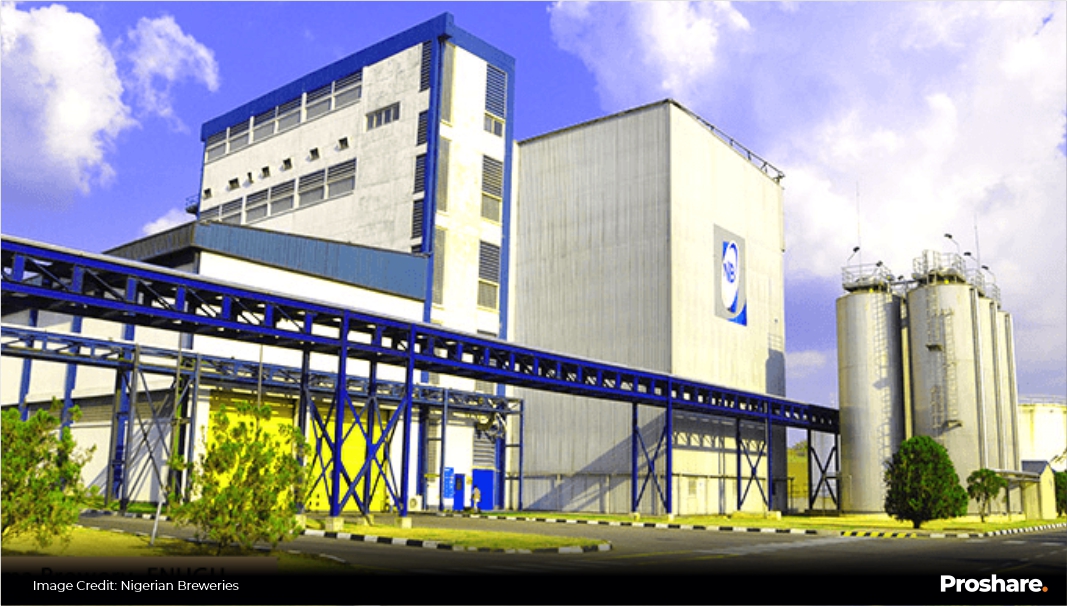
Nigeria's malt drink story begins with a single brand that turned an entire brewing giant's non alcoholic ambitions into a household name. Maltina is produced by Nigerian Breweries PLC, and was launched into the Nigerian market in 1976, and it was the first malt drink to be produced in Nigeria and is today Nigeria's No.1 malt drink. That head start still shapes how the brand talks about itself today, since its own manufacturer describes the current era as building on 50 years of Maltina nourishing bodies and minds across Nigeria.
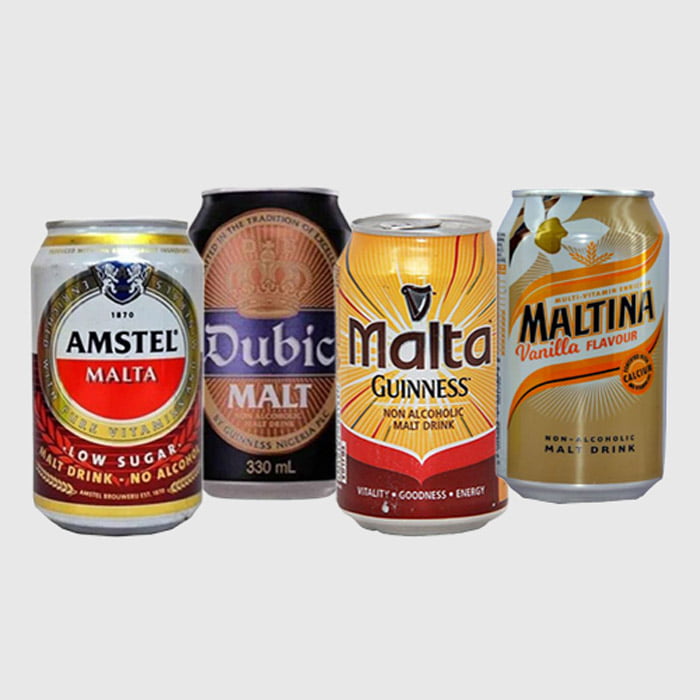
Genuine competition arrived through a mix of multinational entry and acquisition. Over half of Nigeria's malt brands are produced by local subsidiaries of three multinationals, Heineken, Diageo, and AB InBev, with Heineken majority owned Nigerian Breweries producing Maltina, Amstel Malta, and Hi Malt, while Diageo owned Guinness Nigeria produces Malta Guinness and Dubic Malt, and AB InBev owned International Breweries produces Grand Malt and Beta Malt. Malta Guinness in particular brought a genuinely pan African pedigree to the fight, since although the drink was first conceived in Cameroon in 1984, it is today the most widely distributed malt drink in Africa, available in 11 countries.
Consolidation has also played its part in shaping today's landscape, since Nigerian Breweries acquired beer factories from Sona Group, makers of maltonic malt drink and franchise owners of Goldberg beer, in 2010, absorbing another local malt heritage into its own growing portfolio.
The Brands on Nigerian Shelves Today
Today's Nigerian malt shelf is anchored by a handful of household names, with a growing cluster of newer challengers pushing hard on taste and price. Several brands compete for attention in Nigeria's malt drink sector, including Maltina, Malta Guinness, Amstel Malta, and Grand Malt, with the market featuring a genuine mix of local and international players. Malta Guinness continues to win largely on reach, remaining popular due to its affordability and widespread availability, while also sponsoring grassroots sports to enhance its community appeal.
Amstel Malta has instead built its identity around a more premium, adult leaning positioning, celebrated for its European inspired recipe and low sugar profile, with its distinct bitter sweet taste setting it apart and appealing to adults seeking a sophisticated alternative to sugary beverages. Vitamalt, produced by Sona Group, has carved out its own lane through origin story and flavour innovation, since originating from Sierra Leone, it gained rapid traction in Nigeria for its unique fruit infused variants, such as pineapple and orange, with an aggressive pricing strategy targeting middle and lower income demographics.
A newer name has also begun climbing the rankings on taste alone rather than heritage. Despite being a newer entrant of approximately five years old, one rising brand has rapidly ascended to top tier status in taste rankings, ranked number one in definitive taste rankings and identified as a high growth brand in West African beverage trackers, competing directly against Grand Malt, Amstel Malta and Malta Guinness.
Why the Sugar Tax Fight Now Defines the Market
Perhaps no policy battle has loomed larger over this category than Nigeria's ongoing sugar sweetened beverage tax debate, a fight that could reshape prices across every malt brand in the country. The tax itself is not new, but the proposed scale of its increase is dramatic, since the amendment to Section 21(3) of the Customs and Excise Tariff Consolidation Act seeks to raise the Sugar Sweetened Beverage excise tax from ₦10 per litre to ₦130 per litre. Government's own modelling suggests the consumer impact would be significant, with adjusting the tax to that new rate estimated to increase the retail price of sugar sweetened beverages by approximately 39 percent, potentially leading to an annual decrease in per capita consumption of about 29 percent.
Malt drinks specifically are among the most exposed products in this fight, since academic research modelling Nigerian demand found that malt drinks and soft drinks had higher elasticity estimates than other sugar sweetened categories, at negative 3.21 and negative 2.10 respectively, meaning consumers are especially likely to cut back on malt drinks specifically if prices climb. Industry voices have pushed back hard against the proposal, arguing the tax functions less as a health tool than a revenue mechanism, pointing out that Nigeria's sugar consumption fell by 16 percent in 2023, while domestic sugar production collapsed by 35 percent, alongside reduced turnover, thinner margins, and job losses across the beverage value chain.
Yet the numbers cut both ways in this debate. Even as industry warns of contraction, SSB sales in Nigeria have expanded substantially over the past decade, with one analysis reporting a 35.77 billion litre increase between 2010 and 2024, a scale of growth government officials argue undermines industry claims of existential threat. The scale of current consumption underlines why regulators are pushing so hard, since Nigeria ranks 4th globally in SSB consumption, with annual sales of about 38.6 million litres, and SSB consumption rising by 123 percent in Nigeria between 2008 and 2022.
What Nigerian Consumers Consider Before Choosing a Malt Drink Brand
Sweetness and Taste Balance
Flavour intensity remains central to loyalty, with some drinkers favouring Maltina's creamy, balanced sweetness while others gravitate toward Amstel Malta's more bitter sweet, lower sugar profile.
Price Per Bottle or Can
Cost sensitivity plays a major role in daily purchase decisions, particularly given that malt drink prices in Nigeria range from around ₦200 for smaller PET bottles to ₦500 or more for premium canned brands, a spread that shapes which bottle ends up in a shopper's basket on any given day.
Perceived Health Value
Many buyers choose malt drinks specifically because they are seen as a gentler alternative to sugary sodas, a perception reinforced by branding that emphasises vitamins and nutrition, even as public health researchers increasingly classify sugar sweetened malt drinks within the same risk category as other sugary beverages.
Flavour Variety and Novelty
Fruit infused variants have become a genuine differentiator, with brands like Vitamalt building traction specifically through unique fruit infused variants such as pineapple and orange, appealing to younger drinkers looking for something beyond the classic malt taste.
The Rise of Informed Malt Drink Buyers
Nigerian households, increasingly conscious of both price and health messaging, are researching more carefully before choosing a malt drink brand. Common searches include:
Maltina vs Malta Guinness vs Amstel Malta comparison
Is malt drink healthier than soda
Cheapest malt drink prices in Nigeria
Best low sugar malt drink brands
Malt drink price list 2026
Will sugar tax increase malt drink prices in Nigeria
This growing research culture, amplified by social media discussion and price comparison at neighbourhood stores, continues to shape which brands earn repeat household loyalty.
Challenges Facing Nigeria's Malt Drink Industry
Regulatory and tax uncertainty stands as the single biggest near term threat to the category, since the proposed jump from ₦10 to ₦130 per litre in excise duty would represent one of the most aggressive beverage tax increases in the market's history, with manufacturers and health advocates still divided over its final scale and implementation timeline.
Raw material and input cost exposure adds a further layer of pressure, since malt drink production relies on sorghum, malted barley and sucrose, inputs that remain sensitive to both local agricultural output and currency driven import costs for any barley that cannot be sourced domestically.
Health perception risk is a slower moving but persistent challenge, since public health researchers have increasingly grouped sugar sweetened malt drinks alongside soft drinks in describing beverages linked to noncommunicable diseases such as diabetes and cardiovascular disease, a classification that could gradually erode the "healthier alternative" positioning many malt brands have relied on for decades.
Market Outlook for 2026 and Beyond
Growth projections for Nigeria's malt beverage category diverge sharply depending on the data source, reflecting genuine uncertainty tied to the pending tax decision. One industry estimate places the Nigeria Malt Beverages Market at a CAGR of 4.4 percent during the forecast period 2025 to 2031, driven by increasing health consciousness among consumers and demand for non-alcoholic malt beverages perceived as healthier alternatives to sugary sodas. Globally, the broader malt beverages category is expected to keep expanding briskly, with the global malt beverages market estimated to be valued at USD 882.34 billion in 2026, expanding at a CAGR of 8.2 percent to reach USD 1,531.89 billion by 2033.
Much of Nigeria's specific trajectory now hinges on how the SSB tax debate resolves. Should the higher ₦130 per litre rate pass, government's own projections suggest a meaningful cooling in demand, given that CAPPA's modelling found the increase could lead to an annual decrease in SSB per capita consumption by 29 percent. Regardless of the outcome, product innovation is expected to remain a key growth lever, since there is an increasing trend toward flavoured malt beverages in Nigeria, with consumers gravitating toward options like apple, pineapple, and berry flavours, a trend expected to keep boosting sales in the flavoured segment as more brands introduce new tastes.
Conclusion
Nigeria's malt drink market in 2026 stands at a genuine crossroads between fifty years of brand loyalty and a tax policy debate that could reshape shelf prices overnight. Maltina's heritage, Malta Guinness's reach, and Amstel Malta's premium positioning continue to anchor consumer trust, even as newer, flavour forward challengers chip away at that loyalty one taste test at a time. With regulators and industry still far apart on how steeply malt drinks should be taxed, the brands best positioned for the next few years will likely be those that can absorb price pressure without losing the trust of households who have long seen malt as the safer choice in the fridge.
About this Report
The Flipbz Malt Drink Brands in Nigeria (2026) Market Report is an independent editorial publication prepared using publicly available information from the National Sugar Development Council, Nigeria's Senate Committees on Finance and Customs, industry research platforms and market intelligence sources, together with independent market analysis by Flipbz. It is intended to provide market insight and does not constitute purchasing advice.
Please register to comment.
With these components in place, your business...
SolidBase Builders Limited is a professionall...
PrimeStone Construction Nigeria Ltd is a well...
CrestRock Engineering Services Ltd is a scala...
Here is an opportunity to buy an established...
Discover promising partnership opportunities in various industries.
Pitch Your Startup | Find Partners

.jpeg)


Comments