
.jpg "Motor Oil Brands in Nigeria (2026): Flipbz Market Report on Vehicle Maintenance, Brand Loyalty and Market Competition")
Written By: Flipbz.org
Nigeria's motor oil industry runs on a quiet contradiction. It is one of Africa's largest and fastest-growing lubricants markets, anchored by long-established oil majors and expanding local blending plants, yet it remains persistently undermined by counterfeit products that industry researchers estimate account for roughly a third of everything sold at the roadside. For Nigerian vehicle owners, choosing a motor oil brand in 2026 is as much about avoiding fakes as it is about engine performance.
The Flipbz Motor Oil Brands in Nigeria (2026) Market Report draws on publicly available data from the Standards Organisation of Nigeria (SON), the Department of Petroleum Resources, and industry research platforms including Mordor Intelligence and Expert Market Research, combined with Flipbz's own market analysis. The report does not rank or promote individual brands but examines the forces shaping pricing, brand loyalty and consumer trust across Nigeria's motor oil sector.
A Market Growing Steadily on the Back of Nigeria's Vehicle Fleet
Nigeria's lubricants industry has become a genuinely substantial part of the country's consumer goods economy. The Nigeria Lubricants Market valued at $1.8 billion in 2026 is projected to expand to $3.15 billion by 2035, advancing at a 6.40 per cent compound annual growth rate over the analysis window. Measured by volume rather than value, the automotive segment specifically is expected to reach 240.31 million litres in 2025 and grow at a CAGR of 2.60 per cent to reach 273.22 million litres by 2030.
Demand is not evenly spread across the country. The market is heavily weighted toward the Lagos-Ogun-Ibadan axis, which absorbed about 40 per cent of national volumes in 2024, with Lagos alone hosting over 2.1 million registered vehicles and most blending plants, giving it rapid access to seaports that handle base-oil imports. Further north, Kano, with 890,000 vehicles, serves as a distribution hub for neighbouring states and Sahel markets, though the same trade routes that support legitimate sales also make the region more exposed to counterfeit penetration.
Consumer preferences are also shifting gradually toward higher-quality formulations. Consumer preference keeps mineral oils firmly in the lead, yet sales of synthetic and semi-synthetic grades are rising in Lagos, Ogun and Abuja as vehicle fleets modernise, with separate industry data suggesting synthetic lubricants now account for around 35 per cent of Nigeria's vehicle engine oil sales, thanks to increased customer knowledge of their superior performance and long-term benefits.
The Brands Nigerian Motorists Know Best
Nigeria's motor oil market is shaped by a mix of global oil majors, established Nigerian downstream companies, and local blending operations, with genuine competition rather than a single overwhelming leader.
Among the international names, Mobil has built a strong reputation, particularly for heavy-duty applications, with Mobil lubricants known globally for unmatched performance in heavy-duty machinery and high output diesel engines, appealing to construction companies, marine operations, power plants and heavy equipment rental businesses. Shell holds a similarly strong position across multiple use cases, described as one of the most widely used brands in manufacturing, factories, marine, transport and power generation, with product lines like Helix, Rimula, Omala and Tellus serving different vehicle and industrial needs. TotalEnergies has carved out a reputation for balanced value, with the brand offering a balanced mix of affordability and performance that has made it popular among automotive workshops and transport fleets, while its Quartz-branded synthetic range has seen a nationwide upswing in adoption.
On the Nigerian downstream side, companies like Conoil, 11 Plc (formerly Mobil Oil Nigeria), MRS Oil Nigeria, Eterna and Ardova Plc compete through extensive retail station networks and local blending capacity. Ardova in particular has continued expanding its own product lines, having rolled out a new motor oil product named AP Supermax as part of the company's effort in widening its range of lubricants, deepening its presence in the market. Castrol, distributed through BP Plc, remains preferred for high-performance petrol and synthetic oils, while newer entrants like Motul have moved to strengthen distribution directly, unveiling a lubricants hub in Ibadan aimed at improving accessibility to authentic lubricants and curbing the operation of counterfeit supplies in the market.
Budget-focused blended brands, including names like Lubemax, have also found a loyal following among everyday motorists and commercial drivers, marketed specifically as affordable, high-quality lubricants for mechanics and fleet service companies.
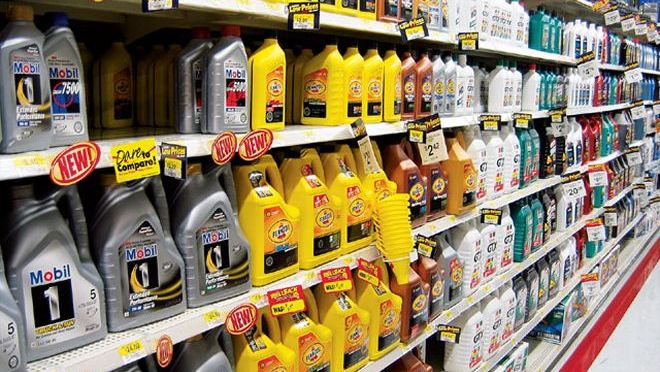
What Nigerian Motorists Consider Before Choosing a Motor Oil Brand
Authenticity Above Everything Else
Counterfeiting is the single biggest trust issue in this category. Industry researchers estimate that counterfeit oils account for roughly 30 per cent of the Nigerian market, eroding customer trust and causing engine damage that affects both consumers and recognised manufacturers. Regulators have taken visible action in response, with the Standards Organisation of Nigeria confiscating NGN 20 billion worth of counterfeit goods in 2024 alone, underscoring the scale of enforcement now required to keep fake products off the market.
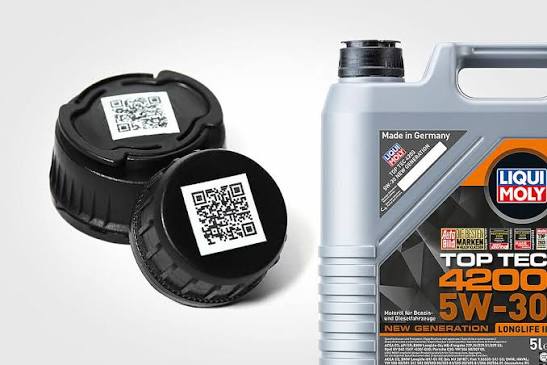
Manufacturers themselves have begun investing directly in anti-counterfeiting technology rather than relying purely on regulatory enforcement. Brand owners are increasingly investing in authentication technologies including holograms, QR codes and blockchain-based verification systems, complemented by consumer education initiatives designed to help everyday buyers protect themselves at the point of purchase.
Price Sensitivity and Economic Pressure
Cost remains a major factor shaping which brand a Nigerian motorist ultimately buys. Price remains a significant factor for consumers in Nigeria, particularly in the face of economic fluctuations, and the availability of low-cost alternatives can pose a challenge for established lubricant brands trying to justify a premium price point. This price sensitivity is compounded by currency pressure on the supply side, since naira depreciation against major currencies increases import costs for finished lubricants and raw materials, costs that inevitably filter down to retail pricing.
Vehicle Type and Engine Requirements
Different vehicle categories drive genuinely different purchase decisions. For heavy-duty diesel engines such as trucks, generators and haulage vehicles, motorists are typically advised toward 15W-40 CI-4 or 20W-50 oils from trusted brands, while passenger vehicle owners increasingly weigh mineral oil affordability against the extended drain intervals offered by synthetic alternatives. The motorcycle segment adds another dimension entirely, projected to be the fastest-growing category in terms of lubricant consumption, driven by a recovery in low-cost moped sales and increasing penetration of foreign motorcycle brands.
Availability and Trusted Retail Points
Because counterfeit risk is so high, many Nigerian motorists have shifted their loyalty toward verified suppliers rather than the cheapest roadside seller. Buyers are frequently advised to always buy from verified industrial suppliers to avoid counterfeit oils, a habit reinforced by dealers themselves who market guarantees of 100 per cent original lubricants alongside technical support as a core part of their sales pitch.
The Rise of Informed Motor Oil Buyers
Nigerian vehicle owners, particularly commercial drivers and small fleet operators managing tight maintenance budgets, are increasingly researching before they buy. Common searches include:
Best engine oil for Nigerian roads
How to spot fake engine oil in Nigeria
Mobil vs Shell vs Total engine oil comparison
Engine oil price list Nigeria 2026
Best synthetic oil for older cars
Where to buy original motor oil near me
This growing research culture reflects a market where authenticity concerns have made comparison shopping and supplier verification just as important as brand loyalty built over years of use.
Challenges Facing Nigeria's Motor Oil Industry
Counterfeit penetration remains the industry's most damaging and persistent problem, one that regulatory bodies, manufacturers and distributors are all fighting simultaneously without having fully solved it. Challenges in the Nigeria lubricants market include fluctuating crude oil prices, which affect production costs, and the presence of counterfeit products that undermine brand trust and safety, a combination that squeezes both manufacturer margins and consumer confidence at the same time.
Import dependence adds a further structural vulnerability. Exchange-rate volatility remains the biggest margin risk, as nearly all base oils are imported, meaning that even well-established, genuine brands remain exposed to currency swings largely outside their control. Regulatory enforcement, while improving, also remains uneven geographically, since porous borders in northern trade corridors heighten counterfeit penetration, depressing legitimate supplier margins in ways that differ significantly from the tighter enforcement environment around Lagos.
Market Outlook for 2026 and Beyond
Despite these pressures, growth fundamentals for Nigeria's motor oil sector remain solid. Growth is being reinforced by transportation sector expansion, infrastructure development and rising manufacturing activity, with Lagos and the Southwest region continuing to lead national consumption. Local blending capacity is also expanding in response to both cost pressure and quality demands, with companies like MRS Oil and Ardova having retrofitted plants to incorporate higher-grade base stocks and stricter additive chemistries that meet international specifications, reinforcing a broader industry shift toward higher-quality formulations produced closer to the point of sale.
Digital distribution is expected to reshape parts of the retail landscape as well, as online platforms increasingly connect lubricant suppliers directly to end users, a trend particularly impacting the retail segment, where transparency and convenience appeal to younger, tech-savvy vehicle owners and small business operators who have grown wary of counterfeit-prone physical retail points.
Conclusion
Nigeria's motor oil market in 2026 continues to grow steadily alongside the country's expanding vehicle fleet and industrial base, but its greatest challenge remains one of trust rather than demand. Established names like Mobil, Shell, TotalEnergies and Castrol continue to compete alongside strong Nigerian players like Conoil, Ardova and MRS Oil, each leaning on distribution reach, technical reputation or affordability to win loyalty. For everyday motorists, however, the deciding factor increasingly comes down to a single question that no amount of brand advertising can fully answer: how can you be certain the oil in the bottle is actually what the label says it is.
About this Report
The Flipbz Motor Oil Brands in Nigeria (2026) Market Report is an independent editorial publication prepared using publicly available information from the Standards Organisation of Nigeria (SON), the Department of Petroleum Resources, and industry research platforms, together with independent market analysis by Flipbz. It is intended to provide market insight and does not constitute technical or purchasing advice.

Please register to comment.
With these components in place, your business...
SolidBase Builders Limited is a professionall...
PrimeStone Construction Nigeria Ltd is a well...
CrestRock Engineering Services Ltd is a scala...
AGRO COMPANY
Discover promising partnership opportunities in various industries.
Pitch Your Startup | Find Partners
.jpg)
.jpg)

.jpg)
.jpg)
Comments