
.jpg "Bottled Water Brands in Nigeria (2026): Flipbz Market Report on Consumer Trust, Distribution and Market Competition")
Written By: Flipbz.org
Water is the one product category in Nigeria that sits simultaneously at the bottom and top of the market, sold as a ten billion dollar formal industry through premium bottled brands, and as a five naira per sachet survival product on nearly every street corner. In 2026, that split identity is under real pressure. Sachet water prices have surged sharply within months, regulators have intensified crackdowns on unsafe production, and rising import costs for packaging materials are squeezing producers at both ends of the market.
The Flipbz Bottled Water Brands in Nigeria (2026) Market Report draws on publicly available data from NAFDAC, the National Bureau of Statistics (NBS), the Association of Table Water Producers of Nigeria (ATWAP) and industry research platforms, combined with Flipbz's own market analysis. The report does not rank or promote individual brands but examines the forces shaping trust, distribution and competition across Nigeria's packaged water sector.
Two Markets Under One Roof: Sachet and Bottled Water
Nigeria's packaged water industry is really two markets operating side by side. Sachet water remains the primary driver of volume growth by providing low-cost access to packaged drinking water for lower-income households, while branded bottled water maintains stronger relevance among middle-income consumers, businesses and formal foodservice environments. This split is not incidental, it reflects genuine economic stratification, with affordability continuing to define the structure of Nigeria's bottled water market.
The scale of sachet water production is enormous. Nigeria stands as the undisputed production powerhouse regionally, with an output of 6.8 billion litres, effectively satisfying its vast domestic market and dwarfing neighbouring countries. Despite that scale, the sector remains intensely fragmented, described as intensely localized and fragmented, with thousands of small-scale producers operating alongside a handful of integrated regional players.
The formal, branded side of the market tells a very different growth story. Nigeria's bottled water market is projected to expand at a compound annual growth rate of 8.4 per cent between 2026 and 2031, with market value increasing from USD 10.3 billion to USD 15.3 billion, reinforced by bottled water's essential role in daily consumption amid urban population growth and inconsistent municipal supply.
The Brands Nigerians Recognise
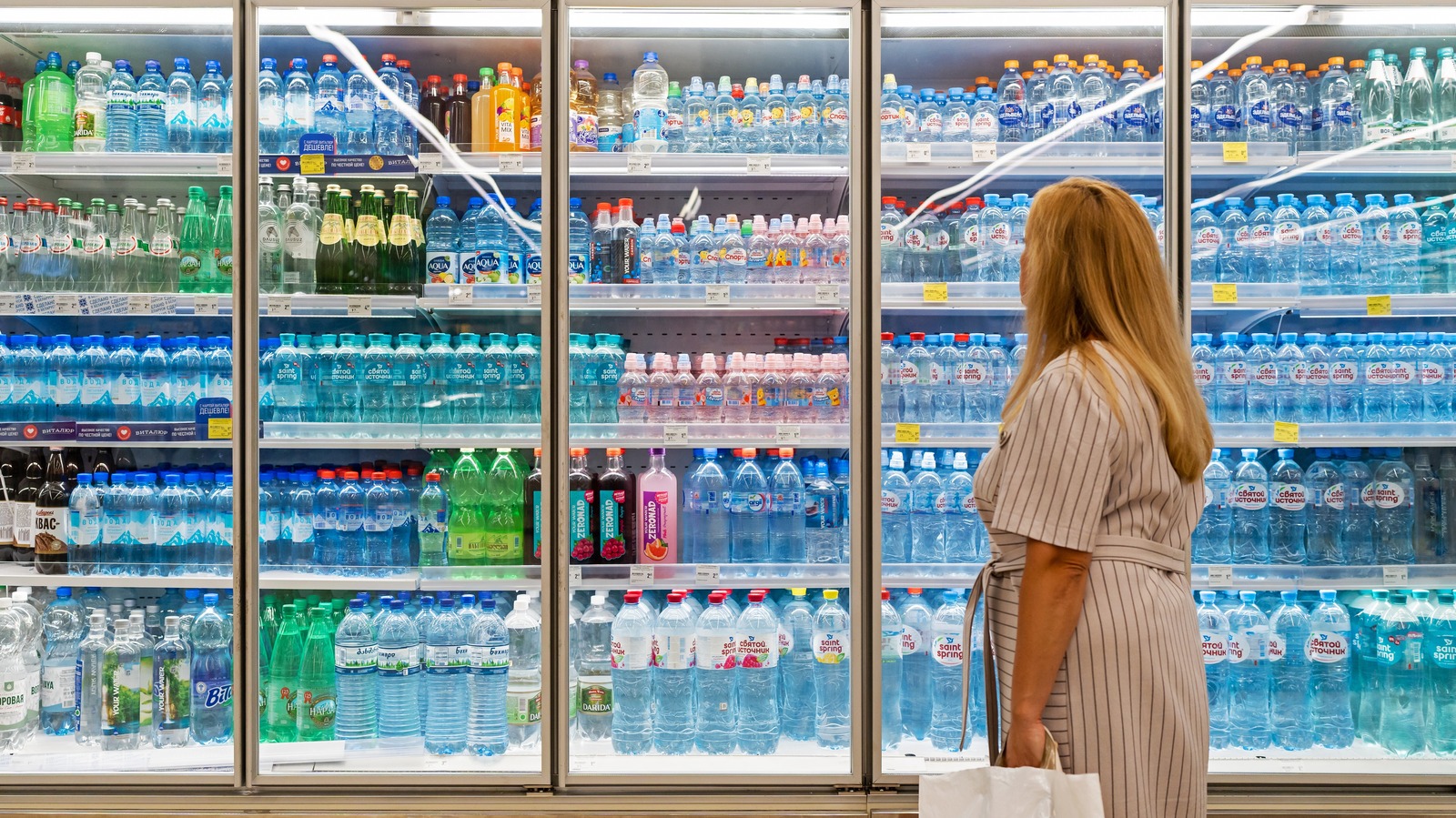
At the premium end of the market, a small number of multinational-backed brands have dominated for decades. Coca-Cola Nigeria's Eva brand entered the market when only Swan and Ragolis dominated, and has since grown into one of the leading premium brands, with the company positioned as the leading brand operator in the bottled water market in recent years. Aquafina, produced locally by Seven-Up Bottling Company as a PepsiCo product, has similarly built a reputation around a rigorous multi-step purification process and premium positioning aimed at corporate Nigeria and upper-income consumers.
Ragolis holds a unique place in the market's history. It is widely recognised as one of Nigeria's oldest bottled water brands, sourced from natural springs in Osun State, having been on the scene for more than three decades and credited by some as the first bottled water brand in the country. Swan, sourced from Kerang Hills in Plateau State, has similarly built a long-standing premium reputation as natural spring water requiring no chemical treatment.
Nestlé Pure Life rounds out the multinational tier, launched in Nigeria in 1988 as part of Nestlé Waters, the largest bottled water company globally, and marketed around a rigorous verification process. Below this multinational tier sits a wide field of strong regional and local names, including Gossy Water, Hollandia, Bel Aqua, CWAY, VeePee, Cascade and Rano, alongside sachet water producers numbering in the thousands who compete purely on price and neighbourhood distribution rather than brand recognition.
Market structure data suggests premium brands like Nestlé Pure Life, Eva Water, Voltic and Aquafina occupy roughly 20 per cent of total market revenue despite serving a smaller, higher-income customer base, while mid-tier local brands account for around 30 per cent of the market, split between more affordable local names and budget-focused regional players.
What Nigerian Consumers Consider Before Buying Water
Safety and Regulatory Compliance
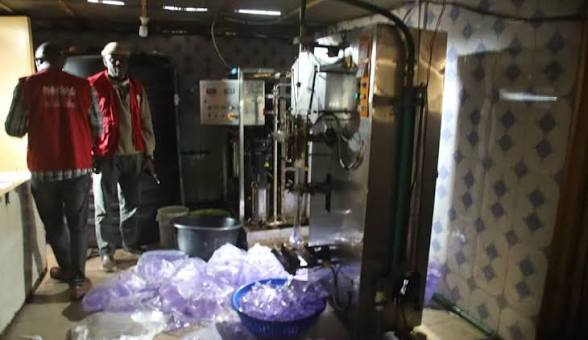
Given how frequently unsafe production facilities are discovered, safety verification has become a genuine consumer habit rather than an afterthought. NAFDAC's enforcement record illustrates why: in a single operation in Rivers State, the agency shut down 16 sachet water factories after finding dirty conditions, unsafe filters, wrong addresses and, in some cases, expired licences. A separate FCT crackdown uncovered facilities where multiple individuals were fraudulently claiming ownership of the same sachet water brand, and resulted in over 40 illegal water factories being shut down across the territory alone.
Price Sensitivity, Especially for Sachet Water
Few categories illustrate Nigeria's inflation pressure as visibly as sachet water. A market survey found that a bag of sachet water now sells between ₦500 and ₦800 in many areas, up from ₦350 to ₦450 recorded late in 2025. Producers attribute this directly to rising input costs, with one producer explaining that a bag of sachet water previously cost between N250 and N300 to produce, but today, production cost is almost around N350 per bag. Some households have responded by rationing consumption entirely, with one Lagos resident describing how she used to buy two trips of 22 bags weekly for my household of four, but now I can only afford one.
Brand Heritage and Trust
For bottled water specifically, brand longevity carries real weight with Nigerian consumers. Long-established names benefit from decades of consistency, since manufacturers of legacy brands describe constantly reinventing and enhancing standards to meet the demands of the industry, backed by formal quality certifications from bodies like the Standards Organisation of Nigeria.
Availability and Local Distribution
For the vast majority of daily water consumption, availability trumps brand preference entirely. Sachet water dominates because it is sold everywhere, from traffic hawkers to neighbourhood kiosks, while bottled brands rely more heavily on formal retail channels like supermarkets, pharmacies and hotels.
The Rise of Informed Water Buyers
Nigerian consumers, particularly younger and more urban buyers, are increasingly researching before they buy or switch brands. Common searches include:
Best bottled water brand in Nigeria
Sachet water price today
Is my sachet water NAFDAC approved
Healthiest bottled water brands
Cheapest bottled water in Nigeria
How to check if water is registered with NAFDAC
This growing research culture reflects rising consumer awareness following repeated NAFDAC crackdowns and media coverage of unsafe production practices.
Challenges Facing Nigeria's Packaged Water Industry
Regulatory enforcement, while necessary, is placing real pressure on producers already struggling with costs. Industry leaders point to a mix of pressures beyond safety compliance alone. The National President of the Association of Table Water Producers of Nigeria explained that most raw materials used in production are imported, and prices surged significantly following recent global crises, compounding the impact of unstable power supply that forces heavy reliance on diesel generators.
Environmental concerns are also mounting around the sachet format specifically. An estimated 50 to 60 million used sachets are discarded onto Nigerian streets every day, a figure that has drawn attention from environmental agencies and added pressure on producers to consider more sustainable packaging alternatives.
Multiple taxation and levies add a further layer of cost. Producers have pointed to multiple levies and regulatory charges as a factor further increasing operational costs, on top of the raw material and energy pressures already squeezing margins across the industry.
Market Outlook for 2026 and Beyond
Despite these pressures, demand fundamentals remain strong. Growth is being reinforced by bottled water's essential role in daily consumption, particularly in an environment where concerns around water accessibility, urban population growth and climate conditions continue to support demand. Unlike discretionary beverage categories, packaged water remains closely linked to basic household needs, giving the market strong resilience even when consumers face broader cost pressures.
Regulatory tightening is expected to continue reshaping the informal side of the market. With NAFDAC signalling a broader campaign to ensure all food and beverage manufacturers comply with stringent quality and safety standards, smaller sachet producers operating without proper licensing may increasingly be forced out or compelled to formalise, potentially consolidating a currently fragmented segment over time.
Conclusion
Nigeria's packaged water industry in 2026 remains a study in contrasts, a formal, multinational-backed bottled water sector chasing double-digit growth, sitting alongside a sprawling, price-sensitive sachet water economy that millions of households depend on daily but that regulators increasingly view as a safety liability. For established bottled brands like Eva, Aquafina, Ragolis and Swan, continued growth will depend on maintaining the trust and distribution reach built over decades. For the sachet water sector, survival increasingly depends on formalisation, whether producers can meet rising regulatory standards without pricing themselves out of the very low-income market they were built to serve.
About this Report
The Flipbz Bottled Water Brands in Nigeria (2026) Market Report is an independent editorial publication prepared using publicly available information from NAFDAC, the National Bureau of Statistics (NBS), the Association of Table Water Producers of Nigeria (ATWAP) and industry research platforms, together with independent market analysis by Flipbz. It is intended to provide market insight and does not constitute health or purchasing advice.

Please register to comment.
With these components in place, your business...
SolidBase Builders Limited is a professionall...
PrimeStone Construction Nigeria Ltd is a well...
CrestRock Engineering Services Ltd is a scala...
Open the Listing model file located in the ap...
Discover promising partnership opportunities in various industries.
Pitch Your Startup | Find Partners
.jpg)
.jpg)
.jpg)
.jpg)

Comments