
Written By: Flipbz.org
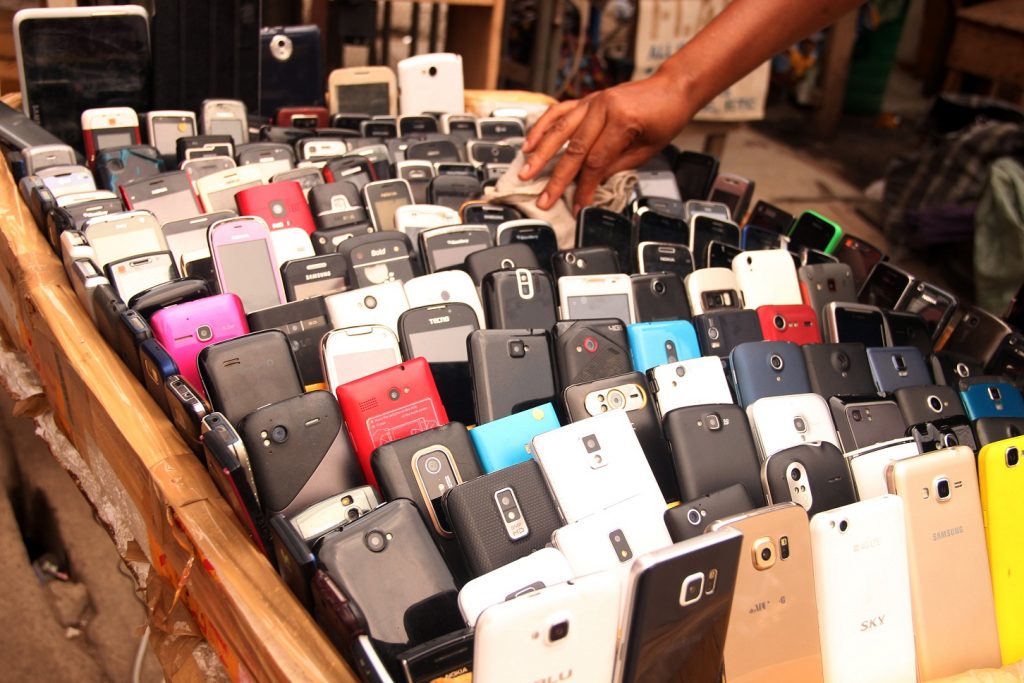
Nigeria's smartphone market in 2026 is a study in volatility recovering into momentum. After a brutal 2024 defined by currency collapse and shrinking affordability, the market has staged a genuine comeback, driven by naira stability, aggressive device financing and a wave of ultra-affordable Chinese handsets. Yet new pressures, from rising global component costs to a stubborn counterfeit device problem, mean the recovery remains fragile heading into the rest of the year.
The Flipbz Smartphone Brands in Nigeria (2026) Market Report draws on publicly available data from the Nigerian Communications Commission (NCC), Omdia, Canalys and industry research platforms, combined with Flipbz's own market analysis. The report does not rank or promote individual brands but examines the forces shaping pricing, brand loyalty and consumer trust across Nigeria's smartphone market.
From Crisis to Recovery: Nigeria's Volatile Smartphone Market
To understand where Nigeria's smartphone market stands today, it helps to remember how far it fell. Between August and September 2024, smartphone prices in Nigeria increased by over 50 per cent owing mainly to the country's struggling currency exchange regime, as the naira slid from ₦769.51 to the dollar in July 2023 to ₦1,580.46 by September 2024. At those levels, it would take more than six months' salary to purchase the cheapest iPhone 14 model for many Nigerian workers, pushing smartphone ownership further out of reach for lower-income households.
The turnaround came once the currency found a floor. With the exchange rate hovering between N1,450 and N1,500 per US dollar since the start of 2025, Nigeria's smartphone market recorded its strongest growth in years, surging by 29 per cent in the third quarter of 2025, marking the second consecutive quarter of growth after a difficult 2024. That momentum has continued into 2026, with the market growing 8 per cent year-on-year in the first quarter, supported by demand for affordable 4G and 5G smartphones in the $200 to $299 segment, according to Omdia.
Still, the recovery is not without new clouds. Analysts now warn that Nigeria could see smartphone prices rise by up to 30 per cent in 2026, driven by rising global component and memory costs rather than currency movements this time, with the $80 to $150 price band identified as the most vulnerable segment. The average smartphone selling price in the country had already risen to $134 in the first quarter of 2026, up 2 per cent year-on-year, leaving, in the words of one analyst, the market highly exposed to even modest pricing adjustments.
The Brands Nigerians Actually Buy
Nigeria's smartphone market is overwhelmingly shaped by Transsion Holdings, the Chinese conglomerate behind three of the market's most recognised names. As of a 2025 market share snapshot, Tecno and Infinix led the Nigerian mobile market with a combined 45.28 per cent share, while Transsion's three brands, Tecno, Infinix and Itel, together represented more than half the market at 50.69 per cent. Samsung held its position as the leading non-Chinese brand at 12.36 per cent, followed closely by Apple at 9.43 per cent, with Xiaomi and Huawei rounding out the next tier of significant players.
This dominance is not accidental. Industry watchers note that Transsion brands have retained an iron grip on West and Central African markets due to their deep distribution networks, dual-SIM functionality, and affordability. Within the Transsion stable, each brand has carved out a distinct role: Tecno remains the most prolific phone brand in Nigeria, releasing as many as eleven models each year, Infinix targets younger consumers who seek stylish devices with strong gaming performance, while itel focuses on ultra-budget devices designed for first-time smartphone buyers.
Affordability remains the defining feature of the entire market. Phones priced below $150 account for more than 60 per cent of smartphone volumes in the country, and four in five smartphones sold in Nigeria and across Africa were priced below $200. At the very top of the market, premium devices remain a distant aspiration for most buyers, with a Samsung Galaxy S26 starting at ₦1,280,000 and an iPhone 17 Pro Max priced above ₦2,700,000, figures that put flagship ownership firmly out of reach for the average Nigerian household.
What Nigerian Consumers Consider Before Buying a Smartphone
Price and Financing Flexibility
With most premium devices now priced well beyond a typical monthly salary, financing has become central to how Nigerians access smartphones. Device financing platforms have proliferated in response, including MTN's EasyBuy, a device financing partnership that provides the most convenient and affordable means of spreading payments on a smartphone over 3 to 12 months, typically requiring a deposit of around 30 per cent of the phone price. Similar schemes from Airtel and various fintech partners have made instalment purchasing one of the fastest-growing ways Nigerians now acquire new devices, particularly in the mid-range and budget categories.
Authenticity and Counterfeit Risk
Few consumer product categories in Nigeria carry as high a counterfeit risk as smartphones. The NCC has stated that about 250 million fake phones are being sold annually in the country, a problem especially common with the importation of substandard fairly used phones from the UK, the US or elsewhere. To combat this, the Commission maintains a type approval process, testing and certifying devices before they can be legally sold in Nigeria, with the compliance and monitoring department regularly embarking on enforcement exercises that confiscate mobile phones not type approved in the market.
The refurbished and secondhand phone segment carries its own distinct risks. A recent public dispute over rebranded devices, older iPhones refurbished and re cased to mimic Apple's latest flagship models, sparked nationwide debate about authenticity in Nigeria's smartphone market, highlighting how sophisticated counterfeit and rebranding operations have become.
Network Compatibility and Performance
Because non-certified devices can affect call and data quality, network performance has become a quiet but important purchase consideration. The NCC has explained that non type approved devices lower the quality of service of mobile telecommunication services, thus impacting the experience of consumers and businesses, in addition to raising cybersecurity related risks for users.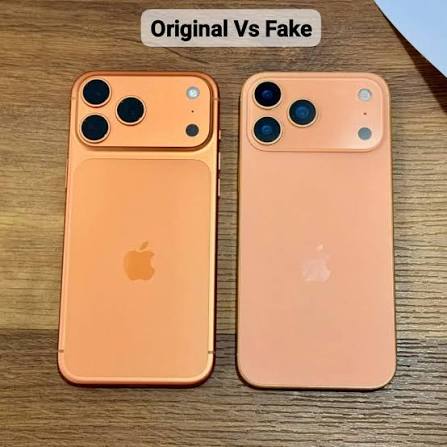
The Rise of Informed Smartphone Buyers
Nigerian consumers, particularly younger, budget-conscious buyers, are increasingly deliberate in how they research before purchasing. Common searches include:
Best smartphone under 200000 naira in Nigeria
How to check if a phone is NCC approved
Tecno vs Infinix which is better
Cheapest 5G phone in Nigeria
EasyBuy phone price list
How to spot a fake or refurbished iPhone
This growing research culture reflects a market where affordability, financing terms and authenticity concerns now weigh as heavily on buying decisions as camera specifications or brand prestige once did.
Challenges Facing Nigeria's Smartphone Industry
Currency exposure remains the industry's most persistent vulnerability. Phone prices in Nigeria are primarily driven by the naira dollar exchange rate, which determines import costs, meaning that without significant naira appreciation, prices are unlikely to drop materially even as global component costs ease elsewhere.
Counterfeit and grey market devices continue to undermine consumer trust and network quality. Beyond the health and security risks these devices pose, industry stakeholders note that the proliferation of counterfeit handsets requires extensive consumer education and collaboration with other government agencies to meaningfully address, an effort complicated by how deeply entrenched informal import channels have become in major markets.
Broader African market pressure adds a further layer of uncertainty. Even as Nigeria posted strong growth, analysts have flagged the risk of a potential African market contraction in 2026, a reminder that Nigeria's recovery, while real, is not fully insulated from wider regional and global pricing pressures.
Market Outlook for 2026 and Beyond
Nigeria's smartphone market enters the second half of 2026 in a stronger position than at any point since the 2024 currency crisis, but the path forward remains uneven. Continued naira stability and expanding device financing options are expected to support demand in the sub $200 segment that has driven most recent growth, while pressure from rising global component costs threatens to erode some of that affordability gain in the coming months.
Competition within the affordable segment is expected to intensify further. Intense competition between Infinix, Tecno, itel, Samsung's Galaxy A series, Xiaomi's Redmi line, Oppo and Vivo has already produced a tier of sub ₦200,000 smartphones that would have been considered genuinely impressive mid-range devices just a few years ago, suggesting the real battleground for market share will remain firmly in the budget and lower mid-range categories rather than at the flagship level.
Conclusion
Nigeria's smartphone market in 2026 tells a story of resilience shaped almost entirely by currency dynamics and affordability innovation. Transsion's brands, Tecno, Infinix and Itel, continue to dominate through distribution reach and price positioning, while Samsung and Apple hold firm as the aspirational tier most Nigerians access through financing rather than outright purchase. For manufacturers and retailers, sustained growth will depend on navigating currency risk, expanding accessible financing, and helping consumers reliably distinguish genuine devices from the counterfeit and rebranded units that continue to circulate widely across the market.
About this Report
The Flipbz Smartphone Brands in Nigeria (2026) Market Report is an independent editorial publication prepared using publicly available information from the Nigerian Communications Commission (NCC), Omdia, Canalys and industry research platforms, together with independent market analysis by Flipbz. It is intended to provide market insight and does not constitute purchasing advice.
Please register to comment.
With these components in place, your business...
SolidBase Builders Limited is a professionall...
PrimeStone Construction Nigeria Ltd is a well...
CrestRock Engineering Services Ltd is a scala...
Here is an optimized version of your Blade te...
Discover promising partnership opportunities in various industries.
Pitch Your Startup | Find Partners
.jpg)
.jpg)
.jpg)
.jpg)
.jpg)


Comments