
.jpg "Cement Brands in Nigeria (2026): Flipbz Market Report on Construction Demand, Pricing and Consumer Preferences")
Written By: Flipbz.org
Nigeria's cement industry presents one of the country's starkest economic paradoxes in 2026. The nation has become one of Africa's largest cement producers, with capacity now exceeding what the domestic market actually consumes, yet ordinary Nigerians continue paying some of the highest cement prices on the continent. That contradiction has drawn direct government intervention, with federal officials now in talks with manufacturers to bring prices down even as producers report record profits and continue expanding capacity.
The Flipbz Cement Brands in Nigeria (2026) Market Report draws on publicly available data from the National Bureau of Statistics (NBS), the Nigerian Exchange Limited (NGX), and cement manufacturers' own financial disclosures, combined with Flipbz's own market analysis. The report does not rank or promote individual brands but examines the forces shaping pricing, production and consumer trust across Nigeria's cement sector.
A Market With More Supply Than It Knows What to Do With
Nigeria's cement industry is dominated by an unusually small number of players relative to its size. The industry is dominated by three companies, Dangote Cement, BUA Cement, and Lafarge Africa, recently rebranded as HBM Nigeria Plc, with installed cement production capacity estimated at 60 to 65 million metric tonnes per year. Some industry estimates place current capacity even higher, with current cement capacity in Nigeria estimated at 70 million tonnes annually, a figure that could exceed 100 million tonnes within a decade given the pace of new plant announcements.
Despite this scale, prices have moved in the opposite direction from what abundant supply would normally suggest. Despite Nigeria's local production capacity of over 60 million metric tonnes yearly, one of the highest on the continent, indigenous consumers continue to pay one of the highest cement prices, almost twice the average in other countries. Cement prices have increased from N8,500 per 50kg bag at the end of 2025 to N11,500 in early 2026, with spot prices as high as N15,000 in April 2026, a climb that has continued to trouble builders, contractors and homeowners planning projects across the country.
The construction sector these prices feed into remains genuinely resilient. According to the country's GDP report for Q1, construction activities is gaining momentum in the economy with its contribution to real GDP rising by 4.85 per cent in the first quarter of 2026, higher than its contribution of 4.74 per cent in the same quarter of the previous year.
The Three Giants Behind Nigeria's Cement Supply
Dangote Cement stands as the undisputed leader of the market by a wide margin. Market insights show that Dangote alone controls more than half of Nigeria's cement production, with an installed capacity of about 35 to 35.3 million tonnes per year across Obajana, Ibese, Gboko and Okpella plants. The company's Obajana plant in Kogi State, the largest in Africa, has 16.25MTA capacity across five lines, and Dangote has set its sights considerably higher still, with plans to reach 80 million tonnes of production capacity by 2030. Financially, the scale of Dangote's dominance is stark: an analysis of half year financial statements showed Dangote Cement remained the undisputed market leader, posting N2.51 trillion in revenue during the period, equivalent to about 64 per cent of the combined revenue of the listed cement producers.
BUA Cement holds the clear second position. BUA Cement is currently the second largest producer, with an installed capacity of about 17 to 20 million tonnes per year, with major plants in Obu, Edo State, and Sokoto, and the company is actively expanding, having signed an agreement with CBMI to build a new ultra modern 3 million ton per annum cement line in Sokoto, a project intended to strengthen its production and meet Nigeria's growing infrastructure needs.
Lafarge Africa, now operating under the HBM Nigeria name following its acquisition by China's Huaxin Cement, rounds out the trio. Lafarge Africa has an installed capacity of about 10.5 million tonnes per year, with plants at Ewekoro and Sagamu in Ogun State, Ashaka in Gombe State and Mfamosing in Cross River State, and continues to trade under its long-recognised Elephant Cement brand, a name that has been associated with quality construction in Nigeria for decades. The company is preparing further expansion too, with HBM preparing a new 3 million tonne Calabar production line.
Beyond the big three, newer entrants are reshaping the competitive edges of the market. A cement plant built in Moba, Kogi State by businessman Dahiru Mangal, with an investment that surged from an initially estimated $600 million to $1.5 billion due to the depreciation of the naira, has begun appearing in dealer price quotes across northern Nigeria alongside the established brands.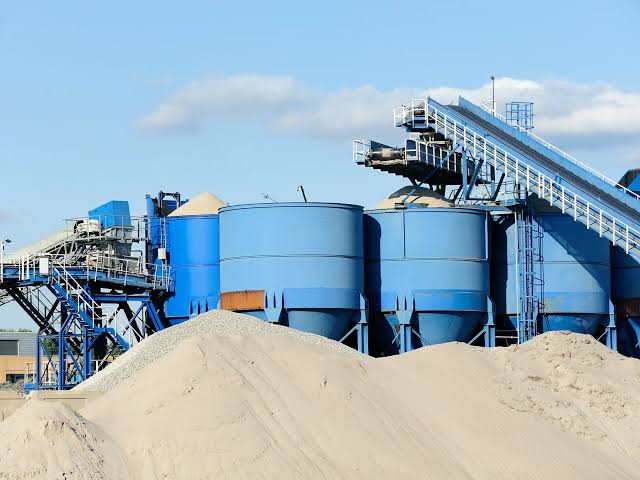
Why Prices Keep Climbing Despite Abundant Supply
Market concentration is the most frequently cited explanation for Nigeria's pricing puzzle. The cement industry in Nigeria is highly concentrated, with Dangote, BUA, and Lafarge together controlling more than 80 per cent of the market, an oligopolistic structure that limits the competitive pressure that would normally drive prices down in response to falling costs.
That concentration has now drawn direct government attention. Federal officials have warned that the current cost of cement is making infrastructure projects difficult, forcing the government to continually adjust project contracts, with formal engagements between the government and cement companies set to begin from July 1, 2026, aimed specifically at bringing prices down for both public infrastructure and everyday citizens.
Manufacturers, for their part, have periodically responded to public pressure with pricing gestures. Producers announced a freeze on prices in support of government projects nationwide, even as underlying market prices continued drifting upward across most regions due to transportation, loading costs and distributor margins that traders say contribute significantly to the final retail price paid by consumers.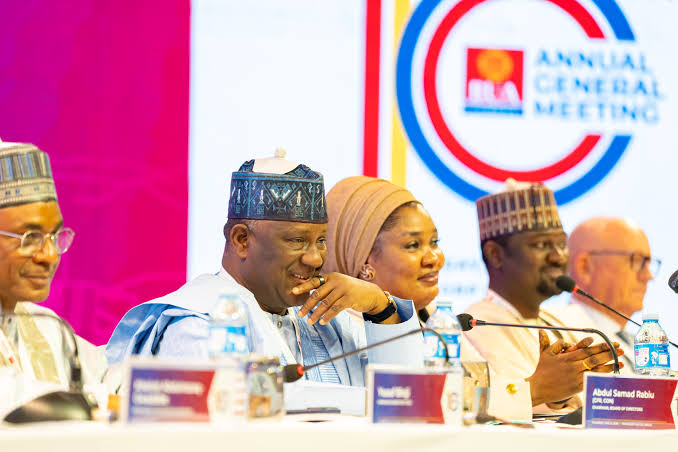
What Nigerian Buyers Consider Before Choosing a Cement Brand
Price Per Bag and Bulk Discounts
Because cement is bought in bulk for most projects, buyers pay close attention to volume pricing. Dealers noted that buyers who purchase a full truckload of 900 bags can secure prices around N10,500 per bag, but such discounts are out of reach for many small scale builders who must pay full retail rates instead.
Regional Availability and Transport Costs
Where a buyer is located significantly affects which brand makes financial sense. Port Harcourt tends to have the highest prices due to transportation costs from the North and Ogun State where most cement is produced, while prices in Zaria and other northern markets close to production plants often remain comparatively lower.
Brand Reputation for Strength and Setting Time
Beyond price, buyers frequently choose based on perceived performance for specific tasks. BUA Cement is consistently the most affordable brand, typically N500 to N1,000 cheaper per bag than Dangote, while Lafarge commands a slight premium, partly due to brand perception and specific product types like Elephant cement's reputation for strength.
Contractor and Distributor Recommendations
Many everyday buyers, particularly those without deep construction experience, defer to contractor preference or whichever brand is readily available in their location rather than actively comparing brands themselves, a buying pattern that reinforces the importance of strong distributor networks for each manufacturer.
The Rise of Informed Cement Buyers
Nigerians planning construction projects, particularly given how sharply prices have moved in recent months, are increasingly researching before they buy. Common searches include:
Cement price in Nigeria today
Dangote vs BUA vs Lafarge cement comparison
Cheapest cement brand for block moulding
Cost of building a 3 bedroom house in Nigeria 2026
Cement price per bag by state
Best cement for plastering
This growing research culture reflects a market where price volatility has made comparison shopping, once unusual for a commodity product like cement, an increasingly normal part of the buying process.
Challenges Facing Nigeria's Cement Industry
Persistent pricing complaints despite oversupply remain the industry's most visible reputational challenge. Even as the three major producers report strong earnings, all three producers reported higher sales volumes, indicating that cement demand remains supported by infrastructure development, housing and commercial construction despite economic headwinds, a resilience that has done little to ease public frustration over pricing.
Rising input and logistics costs continue to squeeze margins despite efficiency gains. Industry analysis noted that HBM and Dangote both expanded operating margins, demonstrating that efficiency improvements are helping offset inflation, energy costs and logistics expenses, suggesting producers are managing cost pressures more through internal efficiency than through price relief for consumers.
Government scrutiny of market concentration is intensifying. With formal talks between regulators and manufacturers now scheduled, the industry faces genuine pressure to demonstrate that its pricing reflects real production costs rather than the pricing power that comes with controlling more than 80 per cent of a market.
Market Outlook for 2026 and Beyond
Capacity expansion shows no sign of slowing. All three major producers are progressing with plans to increase installed capacity, from BUA's move from 17 million tonnes to 20 million tonnes annually, including a new greenfield cement plant in Ososo, Edo State, to Dangote's continued push toward 80 million tonnes by 2030 and HBM's new Calabar production line.
Whether this expanding supply eventually translates into lower prices for ordinary Nigerians remains the central question analysts are watching. Industry observers note that as supply increases, the consumer will ultimately win, as producers compete to deliver cement at the lowest possible price, though the current oligopolistic structure of the market means this rebalancing may take considerably longer to reach retail shelves than the capacity figures alone would suggest.
Conclusion
Nigeria's cement industry in 2026 remains defined by a fundamental tension between abundant, growing production capacity and persistently high consumer prices. Dangote, BUA and HBM Nigeria continue to dominate through scale, brand recognition and expanding infrastructure, while government engagement signals that pricing has become as much a political issue as an economic one. For everyday Nigerians planning to build, the choice between brands increasingly comes down to regional availability and bulk pricing rather than dramatic differences in quality, while the bigger question, whether growing capacity will ever meaningfully lower the cost of a bag of cement, remains unresolved heading into the rest of the year.
About this Report
The Flipbz Cement Brands in Nigeria (2026) Market Report is an independent editorial publication prepared using publicly available information from the National Bureau of Statistics (NBS), the Nigerian Exchange Limited (NGX), and cement manufacturers' financial disclosures, together with independent market analysis by Flipbz. It is intended to provide market insight and does not constitute investment or purchasing advice.
Please register to comment.
With these components in place, your business...
SolidBase Builders Limited is a professionall...
PrimeStone Construction Nigeria Ltd is a well...
CrestRock Engineering Services Ltd is a scala...
AGRO COMPANY
Discover promising partnership opportunities in various industries.
Pitch Your Startup | Find Partners
.jpg)
.jpg)
.jpg)
.jpg)
Comments