
Written By: Flipbz.org
Laundry detergent occupies a unique place in Nigerian households, it is one of the few consumer categories where a single brand name once became so dominant that it briefly defined the entire product category. Decades later, that dominance has faded into genuine multi-brand competition, even as the sachet format continues to reshape how the product reaches lower-income consumers. In 2026, the category's biggest story is not new entrants but a battle between legacy multinational brands and increasingly confident local manufacturers.
The Flipbz Laundry Detergent Brands in Nigeria (2026) Market Report draws on publicly available data from company financial disclosures, the National Bureau of Statistics (NBS), NAFDAC and industry research platforms, combined with Flipbz's own market analysis. The report does not rank or promote individual brands but examines the forces shaping pricing, brand loyalty and competition across Nigeria's laundry care sector.
From One King to Many Contenders
Nigeria's detergent story begins with a single brand's near-total grip on the market. Growing up in the 90s, Omo was considered as the King of Detergents, reigning supreme over every other brand including Elephant detergent, which was considered its main rival at the time. That dominance has since eroded considerably. Even though Omo no longer reigns supreme as it used to in the past, it is still considered one of the best and most popular brands of detergents in Nigeria, a product of Unilever Nigeria Plc that shifted from its signature blue powder to a white formulation while retaining strong stain-removal credentials.
Competition intensified sharply once international rivals entered. Procter & Gamble's Ariel appeared on the detergent scene in 1998 with strong competition for Omo as the number one laundry detergent then, arriving with its "ONE WASH" promise and quickly capturing a sizable share of the market. With local production of Ariel kicking off in 2006, it became clear there was a huge market opportunity for the product within Nigeria's laundry detergent sector. Unilever responded by broadening its own portfolio too, introducing Sunlight detergent into the Nigerian market shortly after Ariel's arrival to compete across a wider price and positioning spectrum.
Local manufacturing has played an equally important role in shaping the market's structure. In 1995, So Klin was introduced in economy packs by Eko Supreme Resources Ltd with the strategic intent of making it affordable for low income earners among detergent users in Nigeria, a positioning that has helped the brand remain affordable and readily available in stores across the country today. For decades, OMO defined the detergent category in Nigeria, but the competitive environment has shifted significantly due to aggressive pricing, innovation and marketing investments from rivals old and new.
The Brands on Nigerian Shelves Today
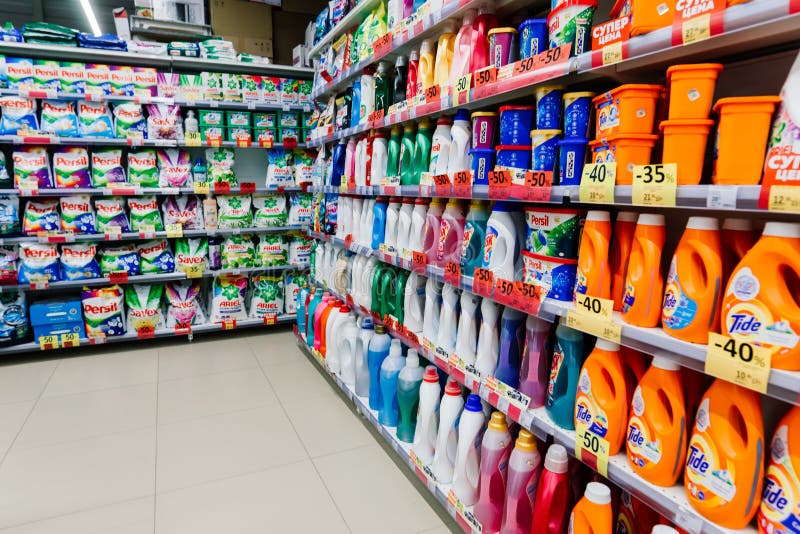
Today's Nigerian detergent market spans multinational heavyweights, well-established local names, and a long tail of budget-focused challengers. Beyond the three major names, there are a whole lot of brands in the detergent sub-segment such as Good Mama, Flash, Bimbo, Waw, Jumbo and Jet, with stiff competition among key players attributed largely to aggressive marketing strategies across the category.
Sunlight has built a reputation around durability and stain performance, with the brand noted for having a two year shelf life, unlike many competing detergents, alongside potent stain-removing abilities and refreshing scents across a wide range of formulations designed for different washing needs. Klin, produced by PZ Nigeria Limited, has similarly built a following around stain removal and fragrance retention, frequently cited by users as easy on stubborn stains while leaving clothes with a pleasing scent after washing. So Klin, now produced by Natural Prime Resources Limited, has expanded beyond basic powder into new formats, including launching what is described as the first-ever smart liquid detergent for hand wash in the local market.
Newer, value-focused entrants are reshaping the affordable end of the market too. Industry trend tracking has highlighted WAW Complete 5-in-1 as a product offering affordable prices and different pack sizes, part of a broader trend where evolving product formats increase affordability and strengthen local brands competing against multinational heritage names. Ariel meanwhile continues to appeal to consumers seeking cutting-edge cleaning technology and fabric care, produced locally by P&G Nigeria Limited and positioned toward buyers willing to pay slightly more for an upscale laundry experience.
Why the Sachet Format Now Defines the Market
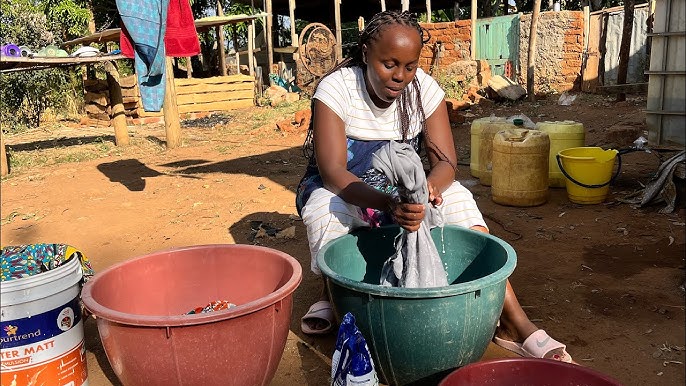
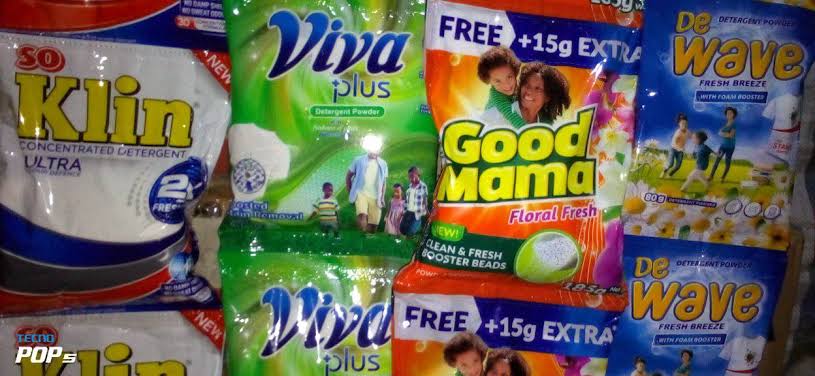
Perhaps no packaging shift has reshaped Nigeria's detergent market more than the rise of the sachet. Nigeria's sachet economy is one of the most commercially consequential features of the country's Fast-Moving Consumer Goods sector, with milk, cereals, detergents, beverages, cooking oil, alcoholic drinks and water now routinely packaged in ultra-small, low-cost units, turning the sachet into as much a social institution as a packaging format. In a market shaped by persistent inflation, currency volatility and constrained household incomes, affordability dictates consumer participation, and sachets have allowed manufacturers to align pricing with daily cash-flow realities in ways that larger pack sizes simply cannot match.
That shift is now measurable at the format level. In 2025, single-use sachets and pouches commanded a significant 53.20 per cent share of the laundry detergent packaging market, reflecting just how central this format has become to how the average Nigerian household actually buys detergent, one small, affordable unit at a time rather than a large box meant to last a month.
What Nigerian Consumers Consider Before Choosing a Detergent Brand
Price and Pack Size Flexibility
For most Nigerian households, the deciding factor remains straightforward affordability, measured not just by shelf price but by how well a pack size matches a single laundry session's needs. This has made sachet and small-pack pricing a genuine competitive battleground, with brands like WAW and So Klin using multiple pack sizes specifically to widen their appeal across income levels.
Stain Removal Performance
Cleaning strength remains a core consideration, with consumers frequently comparing brands based on their capacity to remove stubborn stains, a factor that continues to drive loyalty toward established names like Omo, Ariel and Sunlight, each of which has built long-standing reputations around this specific attribute.
Fragrance and Fabric Feel
Beyond pure cleaning power, scent retention after washing has become a meaningful differentiator, particularly for brands like Klin, which has built part of its identity around pleasing fragrance that lingers after laundry has dried.
Authenticity and Product Safety
Counterfeit and substandard detergent products remain a genuine regulatory concern in Nigeria's broader household goods sector. NAFDAC enforcement operations have repeatedly uncovered problematic products across adjacent categories, including one destruction exercise in Nasarawa where officials confirmed that items destroyed were worth over N5 billion comprising food, drugs, medical devices, detergent and chemicals, underscoring that detergent products are very much part of the regulator's ongoing enforcement focus alongside cosmetics and food items.
The Rise of Informed Detergent Buyers
Nigerian households, particularly those managing tighter budgets amid ongoing food and household goods inflation, are increasingly researching before they buy. Common searches include:
Best detergent for stain removal in Nigeria
Omo vs Ariel vs Sunlight comparison
Cheapest detergent sachet prices in Nigeria
Best detergent for sensitive skin
Detergent price list 2026
Is my detergent original or fake
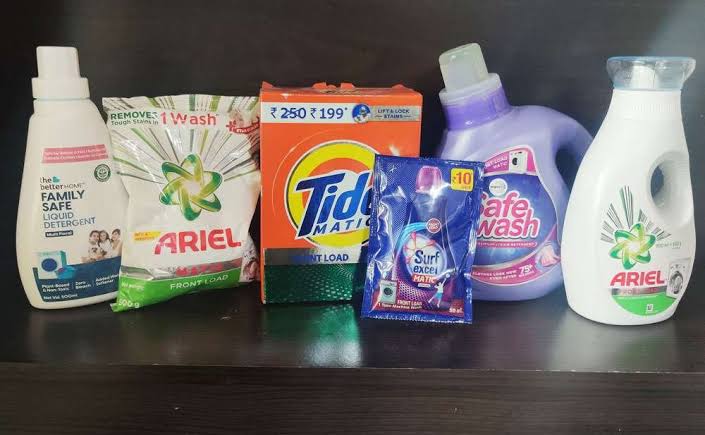
This growing research culture, amplified by social media discovery through platforms like TikTok, Instagram and Facebook, is reshaping brand consideration and trial in ways traditional advertising alone no longer fully controls.
Challenges Facing Nigeria's Detergent Industry
Currency and input cost exposure remains a structural challenge for manufacturers, since many detergent formulations rely on imported chemical inputs whose costs rise directly with naira depreciation. Encouragingly, upstream integration initiatives like Dangote's announcement of a 400,000 tonne per year LAB feedstock plant in Nigeria point to efforts to reduce reliance on imported inputs and stabilise the cost base tied to LAB-heavy detergent formulations, a development that could meaningfully ease pricing pressure across the industry if fully realised.
Retail fragmentation and distribution depth continue to shape competitive outcomes as much as product quality itself. Local brands continue to gain share through regional pricing strategies, distributor depth and sachet-led volume growth, with retail availability, shelf visibility and numeric distribution remaining critical success factors that can matter as much as brand heritage in determining which detergent a household ultimately buys.
Regulatory vigilance against substandard products adds a further layer of complexity for legitimate manufacturers competing against informally produced alternatives that can undercut on price precisely because they skip safety compliance costs altogether.
Market Outlook for 2026 and Beyond
Nigeria's laundry detergent and home care segment is projected to grow at 5 to 7 per cent CAGR between 2026 and 2031, driven by urbanisation, sachet affordability, hygiene awareness and continued innovation from both multinational and indigenous manufacturers. Consumers are expected to seek increasingly value-added laundry products as economic conditions improve, with mood-boosting ingredients and multifunctional formulations adding value even amid continued household budget pressure.
Financial performance from Nigeria's largest home and personal care players suggests the sector retains real momentum. Unilever Nigeria reported a 22.2 per cent year-on-year revenue increase to N119.92 billion in the first half of 2026, with growth spread across its Foods, Personal Care and Beauty & Wellbeing segments, reflecting a company successfully navigating currency pressure while continuing to invest in its core brands. Growth opportunities identified by industry researchers point toward low-water wash, antibacterial, child-safe and hypoallergenic product claims as emerging differentiators, alongside a continued urban shift toward trading up to premium formats even as sachets remain, and are expected to remain, the largest volume driver nationwide.
Conclusion
Nigeria's laundry detergent market in 2026 reflects a mature, genuinely competitive category shaped as much by packaging innovation as by brand heritage. Omo, Ariel and Sunlight continue to anchor the premium and mid-tier segments through decades of consumer trust, while So Klin, Klin and a growing field of budget-focused brands compete fiercely for the sachet-driven mass market that now defines how most Nigerian households actually purchase detergent. For manufacturers, the path forward will likely depend less on displacing established brand loyalty and more on winning the affordability and distribution battle being fought one small sachet at a time.
About this Report
The Flipbz Laundry Detergent Brands in Nigeria (2026) Market Report is an independent editorial publication prepared using publicly available information from company financial disclosures, the National Bureau of Statistics (NBS), NAFDAC and industry research platforms, together with independent market analysis by Flipbz. It is intended to provide market insight and does not constitute purchasing advice.
Please register to comment.
With these components in place, your business...
SolidBase Builders Limited is a professionall...
PrimeStone Construction Nigeria Ltd is a well...
CrestRock Engineering Services Ltd is a scala...
Complete multi-currency online banking websit...
Discover promising partnership opportunities in various industries.
Pitch Your Startup | Find Partners
.jpg)


.jpg)


Comments