
.jpg "Clean Hands, Missing Habit: Why Nigeria's Handwash Market Is Bigger Than Its Users Realise")
Written By: Flipbz.org
Handwash is one of the few consumer categories in Nigeria where the biggest obstacle is not brand loyalty or pricing, it is basic access. Millions of Nigerian households still cannot practise the behaviour this entire industry depends on, simply because they lack the facilities to do so. This report, built on publicly available health data, retail information and independent Flipbz analysis, examines a market shaped less by competitive rivalry and more by a slow, uneven march from bar soap and hand washing being treated as elitist habits toward liquid hand wash becoming a household staple, and why that shift still has a long way to go.
A Market Held Back By Something No Brand Can Advertise Away
Nigeria's handwash category faces a structural problem unlike any other item on this website's coverage list, the product cannot sell itself into homes that lack the water and infrastructure to use it properly. National data lays this out starkly, with WaterAid reporting that 84% (167 million) do not have handwashing facilities with soap close to home, while a separate WaterAid statement put the number even higher, noting that 150 million Nigerians are without access to handwashing facilities with soap and water. UNICEF's own findings on actual behaviour are more sobering still, since only 12.5 per cent of households demonstrated proper handwashing with soap under running water, and only six per cent of all households in Nigeria are likely to practice proper handwashing with water and soap at critical times.
Yet awareness of why handwashing matters is not the missing piece, since the household heads that had knowledge of at least two critical times for hand washing in Nigeria is 91.4 percent. That gap between knowing and doing is the real story of this market, Nigerians understand hygiene, what they lack is consistent water access, affordable product supply, and habit reinforcement at scale.
Historically, this was even more lopsided. Industry retrospectives note that the use of hand and dishwashing liquid in Nigerian homes has become very popular in recent times, whereas up till about two decades ago, hand washing was an elitist practice seen in the homes of the educated rich, before intensive campaigns following Ebola, Lassa fever and the COVID-19 pandemic turned it into a household ritual. That shift from elite habit to mass expectation, still incomplete, is what makes this category worth watching closely in 2026.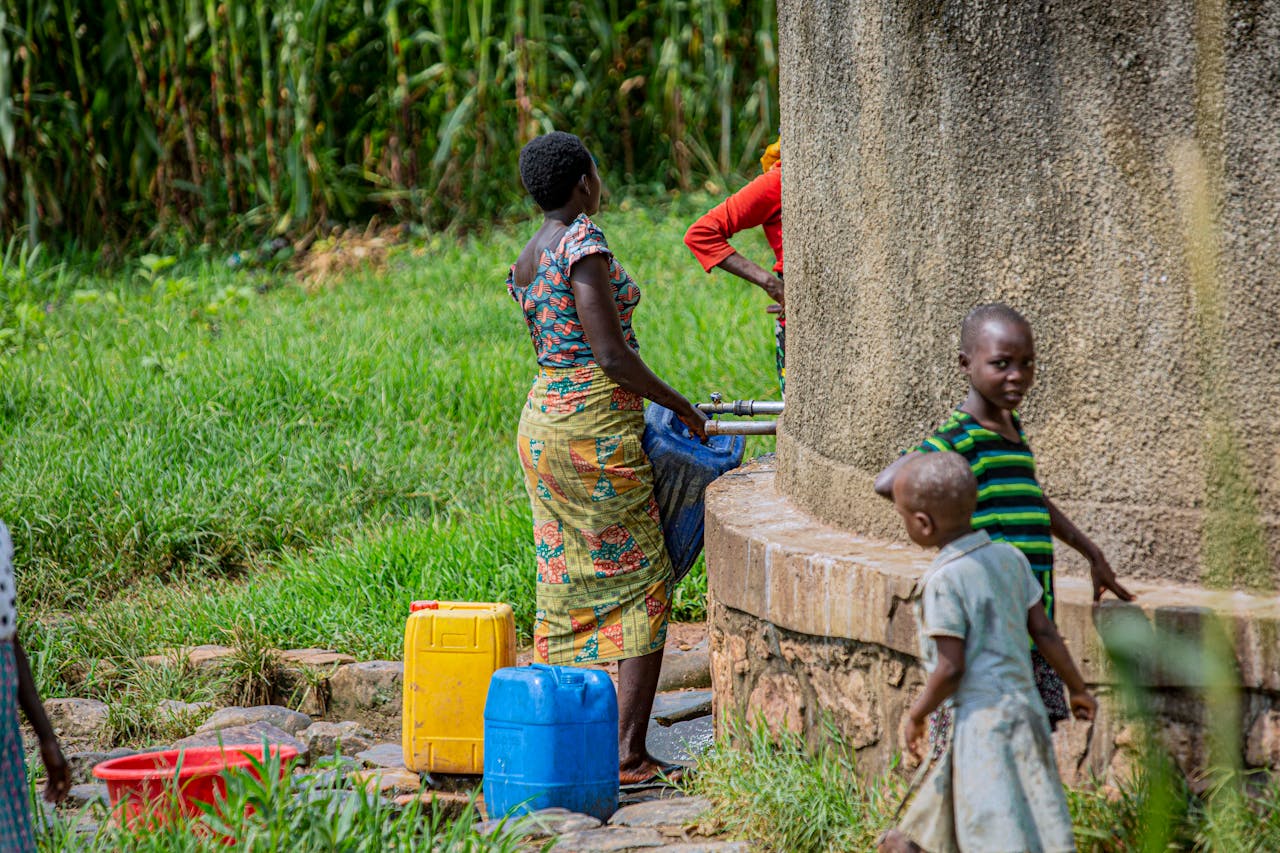
The Brands on Nigerian Shelves Today
Nigeria's handwash and liquid soap shelf is dominated by a small set of long established names, with two brands in particular having shaped the category since its earliest days. Industry tracking confirms that local manufacturing of dishwashing liquid began in Nigeria in the 1990s when PZ Cussons introduced Morning Fresh, followed by Mama Lemon in October 1999, and since then the market has been dominated by these two big players. Even now, Morning Fresh remains the market leader followed by Mama Lemon, though newer entrants have begun chipping away at that lead, since the most recent entrant, 2sure, within a year of entering the market, has risen to be a strong contender for market leadership.
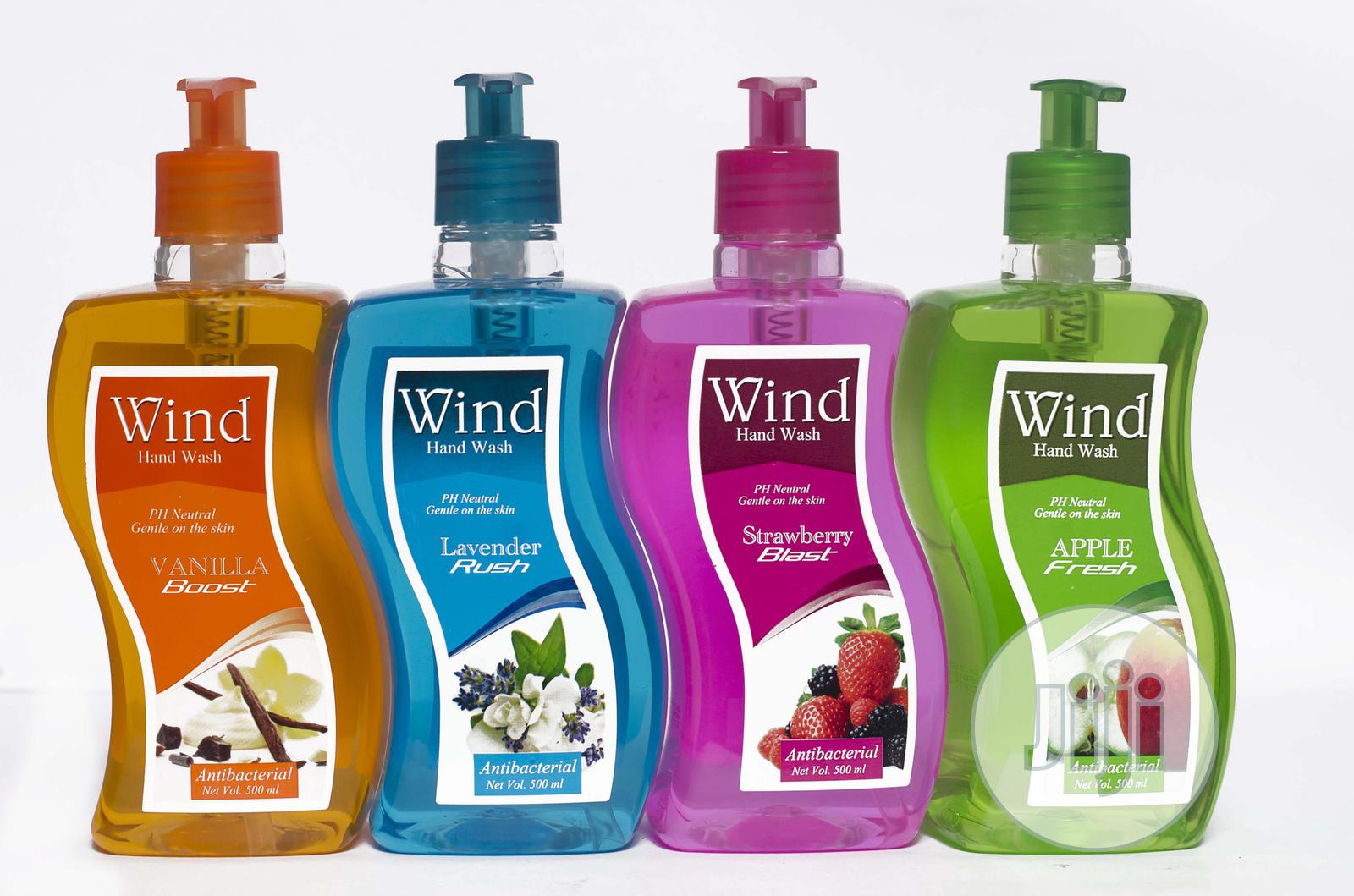
Beyond these household names, the wider shelf includes a genuinely crowded field of both multinational and local options, with brands like Sunlight, Dawn, Fairy, 2sure, Wind, Sparkle, Carex and Olivia staking their presence in the hand and dishwashing liquid market through aggressive media and promotional campaigns. Dedicated hand hygiene brands sit somewhat apart from this dishwashing liquid cluster, led globally and locally by Dettol, whose local retail messaging leans heavily on its germ kill claim, describing itself as offering an impressive 99.9% bacteria and virus killing efficacy. PZ Cussons' own personal care portfolio in Nigeria stretches well beyond dishwashing liquid, encompassing popular brand names like Morning Fresh, Zip, Canoe, Premier, Excel, Joy, Stella, Venus, Imperial Leather, Cussons Baby, Original Source and Carex, while its main multinational rival's local lineup includes Lux and Lifebuoy soaps under Unilever Nigeria.
Why Infrastructure, Not Fragrance, Now Decides Which Brand Wins
Unlike categories where scent, packaging or advertising decide the sale, handwash competes against a much harder opponent, physical access to water itself. National assessments confirm how uneven that access remains, since about 75 per cent lack basic sanitation, two thirds do not live in premises with a hand washing facility comprising soap and water, while 20 per cent practice open defecation. Even where facilities exist, they frequently fail on the product side rather than the water side, a pattern documented directly in primary schools, where researchers observed that soap was unavailable at all handwashing stations and soap was absent at all general water points during their assessment.
This is precisely the gap manufacturers have tried to close through affordability engineering rather than premium positioning. Dettol's own global strategy documentation is explicit about this, noting that India, Indonesia, the Middle East, and Nigeria emphasize entry packs and refills for reach and value rather than larger, pricier formats. Distribution partnerships have followed the same logic, since Reckitt Benckiser's Jumia partnership was built specifically around getting consumers access to hygienic products at the lowest price, providing a steady supply of hygiene products such as soap bars, disinfectants, and liquid hand wash at affordable pricing.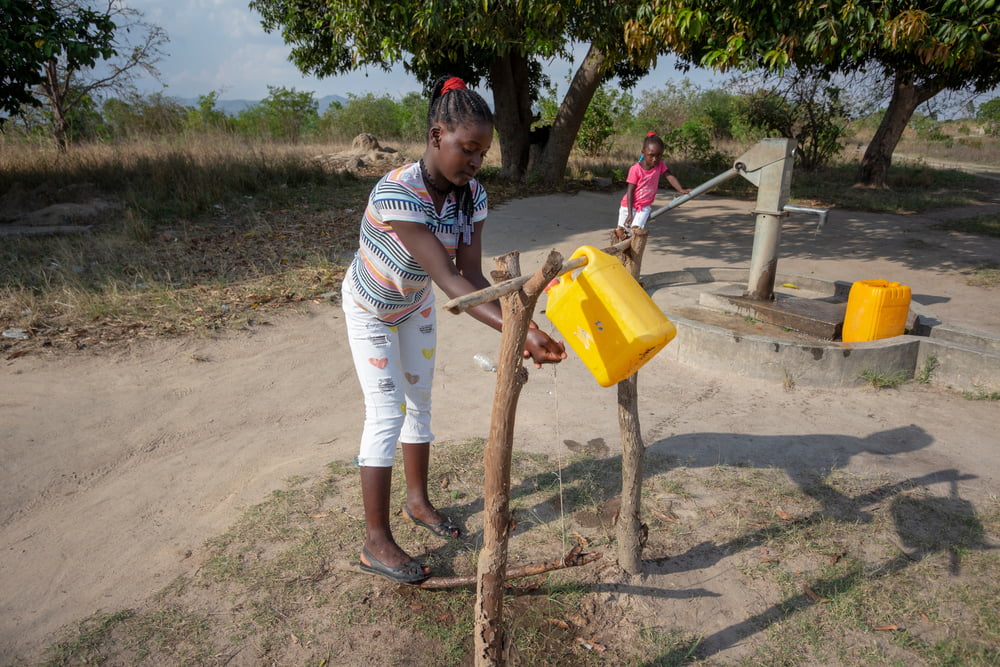
What Nigerian Consumers Consider Before Choosing a Handwash Brand
Price Per Millilitre, Not Just Sticker Price
Retail pricing data from Lagos wholesale markets shows just how tightly this category is priced against itself, with one wholesaler reporting that shoppers still prefer certain brands despite paying more, since some people still prefer Morning Fresh despite the price which is 900 naira for 1000ml, higher than brands like Mama Fresh which goes for 700 naira, and Glow Lemon which is also 700 naira.
Germ Protection Claims
For hand specific products bought explicitly for hygiene rather than dishwashing, buyers gravitate toward brands making clear antibacterial promises, since Dettol's positioning centres on the idea that it acts as a shield against germs and viruses rather than a simple cleanser.
Portable Formats for On the Go Hygiene
Buyers increasingly shop by pack size for convenience products, with market data showing that the two most popular sizes of Dettol hand sanitizer in Nigeria are 50ml and 200ml, sizes chosen specifically for portability rather than household stocking.
Trust Built Through Public Health Campaigns
Brand credibility in this category is heavily shaped by visible hygiene education efforts, since PZ Cussons' long running school campaigns brought together Concern Universal and hand hygiene experts PZ Cussons, joined by Premier Cool Deo, one of Nigeria's leading antiseptic soaps, alongside Carex, work that builds recognition well before a purchase decision is made.
The Rise of Informed Handwash Buyers
Nigerian consumers are increasingly comparing hygiene products before buying, particularly parents and health conscious households. Common searches now include:
Best antibacterial hand wash for children in Nigeria
Dettol vs Lifebuoy vs Morning Fresh comparison
Cheapest liquid soap prices in Nigeria 2026
Handwashing station ideas for homes without running water
Hand sanitizer versus soap and water effectiveness
Affordable handwash refill packs Nigeria
This research culture, driven by school hygiene programmes, NGO campaigns and pharmacy advice, continues to shape which brands earn trust among Nigerian households still building the handwashing habit.
Challenges Facing Nigeria's Handwash Industry
Access remains the industry's single largest barrier, since a market cannot grow past a certain point when two thirds of the population do not live in premises with a hand washing facility comprising soap and water, meaning demand growth depends as much on infrastructure investment as on marketing.
Rural and school gaps compound the problem further, since national data shows handwashing facilities are not available in 49 percent of schools, while only about three in ten schools have access to basic hygiene services, leaving an entire generation without consistent exposure to the habit brands depend on.
Regional inequality also shapes where growth is realistic, since knowledge of proper handwashing practice varies sharply by geography, with South East and South West recording 98.8 and 94.5 percent respectively, while North East recorded the least percentage of 82.4 percent, meaning national campaigns must be localised rather than uniform to be effective.
Market Outlook for 2026 and Beyond
Global demand for hand hygiene products continues to grow steadily, with the sector expected to expand well beyond its pandemic era peak, since the global hand wash market size is expected to reach 11.9 billion dollars by 2026. Nigeria's growth within that global picture is likely to remain closely tied to public health investment rather than pure consumer demand, given how directly access gaps still constrain the category.
Innovation aimed at low infrastructure settings looks set to matter more than premium product launches going forward, echoed by continued NGO and manufacturer partnerships around Global Handwashing Day, an event involving over 200 million people coming together on 15th October to promote a simple and life saving message, handwashing with soap saves lives. Brands that continue investing in behaviour change programmes alongside product sales, rather than product sales alone, are best positioned to convert Nigeria's high awareness into the daily habit its own data shows is still missing.
Conclusion
Nigeria's handwash market in 2026 is not defined by fierce brand rivalry in the way other categories are, it is defined by an unusually wide gap between what Nigerians know they should do and what their circumstances allow them to do. Morning Fresh and Mama Lemon's decades of dominance, Dettol and Lifebuoy's hygiene credibility, and 2sure's rapid rise all compete for a market still working to close a basic access gap rather than fighting over brand switchers. The organisations that grow fastest from here will likely be those investing as much in handwashing infrastructure and education as in the soap bottle itself.
About this Report
The Flipbz Hand Wash Brands in Nigeria (2026) Market Report is an independent editorial publication prepared using publicly available information from public health data, industry research platforms and market intelligence sources, together with independent market analysis by Flipbz. It is intended to provide market insight and does not constitute purchasing or health advice.

Please register to comment.
With these components in place, your business...
SolidBase Builders Limited is a professionall...
PrimeStone Construction Nigeria Ltd is a well...
CrestRock Engineering Services Ltd is a scala...
Open the Listing model file located in the ap...
Discover promising partnership opportunities in various industries.
Pitch Your Startup | Find Partners
.jpg)
.jpg)
.jpg)

Comments