
Written By: Flipbz.org
Almost every Nigerian home already owns a fan, so on the surface this looks like the most settled, least dramatic appliance category in the country. The real story in 2026 is not ownership, it is replacement. A quiet upgrade cycle is sweeping through millions of households as ordinary electricity only fans are being swapped for battery powered rechargeable models built specifically to survive Nigeria's blackouts, and a second, smaller shift is pulling higher income buyers toward ceiling fans with remote controls and LED lighting built in. This report, drawing on publicly available market intelligence, retailer data and independent Flipbz analysis, examines the pricing, brand structure and power reliability forces reshaping who buys what kind of fan, and why.
A Category Everyone Owns, Yet Nobody Has Finished Buying
Unlike appliances still fighting for their first customer, the fan's challenge is different, it must keep winning repurchases as blackouts force households to replace what they already own with something that can survive without the grid. Global market data frames why this keeps happening even in a mature category, since the electric fan industry remains a critical part of global thermal comfort, indoor air circulation and energy efficient cooling, with demand shaped by rising urbanization, longer and more frequent heat events, growing electricity cost sensitivity, and the need for accessible cooling across residential, commercial, and industrial environments. Nigeria sits directly inside that trend, since rapid urbanization and affordable housing construction is particularly pronounced in emerging economies such as India, Indonesia and Nigeria, feeding steady new demand for both ceiling and standing formats.
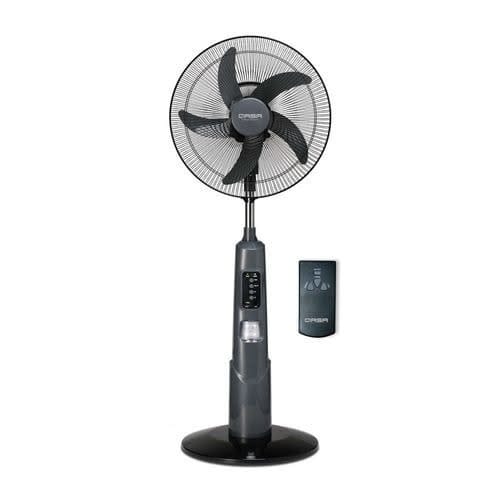
What makes Nigeria's version of this category unusual is how thoroughly the rechargeable format has taken over the entry level conversation. Retailers now describe the rechargeable standing fan as the default choice for Nigerian households, not a niche upgrade, and dealers report that the rechargeable standing fan is the most popular type of fan sold in Nigerian homes and shops, typically arriving in the sixteen to eighteen inch range with adjustable height. That single fact, an entire appliance category being redefined by its battery, is the real headline of Nigeria's fan market in 2026.
The Brands on Nigerian Shelves Today
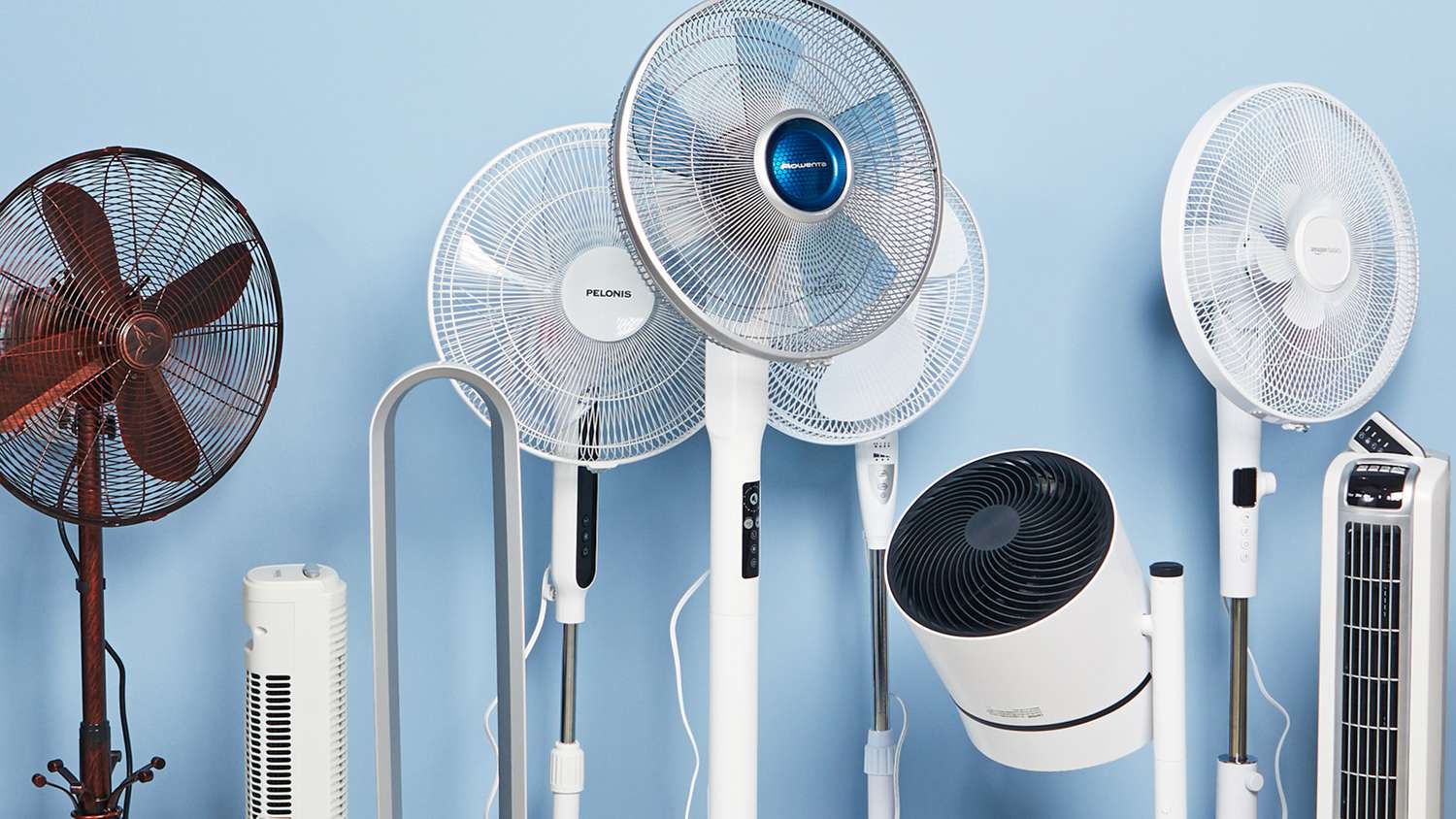
Nigeria's fan shelf splits cleanly into three tiers, and unlike categories dominated by two or three multinational names, the fan market is genuinely crowded at every price point. At the premium end sit multinational names familiar from other appliance categories, since authorized retailers list themselves as distributors of LG, Panasonic, Hisense, Sony, Samsung, Royal, Daikin, Scanfrost, Kenstar, Nexus and Skyrun ceiling fans, brands bought mainly for design, quiet motors and remote convenience rather than survival during blackouts.
The middle and budget tiers are where the real Nigerian fan story lives, dominated by names built specifically around battery backup rather than pure cooling power. Retailers consistently point to the same cluster of names when asked which brands actually sell, listing Qasa, Lontor, Century, Ox, Duravolt, TINMO, Polystar, Nexus, Binatone and Syinix as the brands with the strongest reputation for rechargeable models across every budget. Lontor in particular has built its identity entirely around Nigerian conditions, with the brand explicitly engineering products for the region's climate and power reality, since it designs products specifically for heat, humidity, and frequent power outages in West Africa. Andrakk carries a different kind of credibility, having entered the market early, since it was one of the first brands to launch a rechargeable fan in Nigeria, a first mover advantage that still shapes buyer trust today.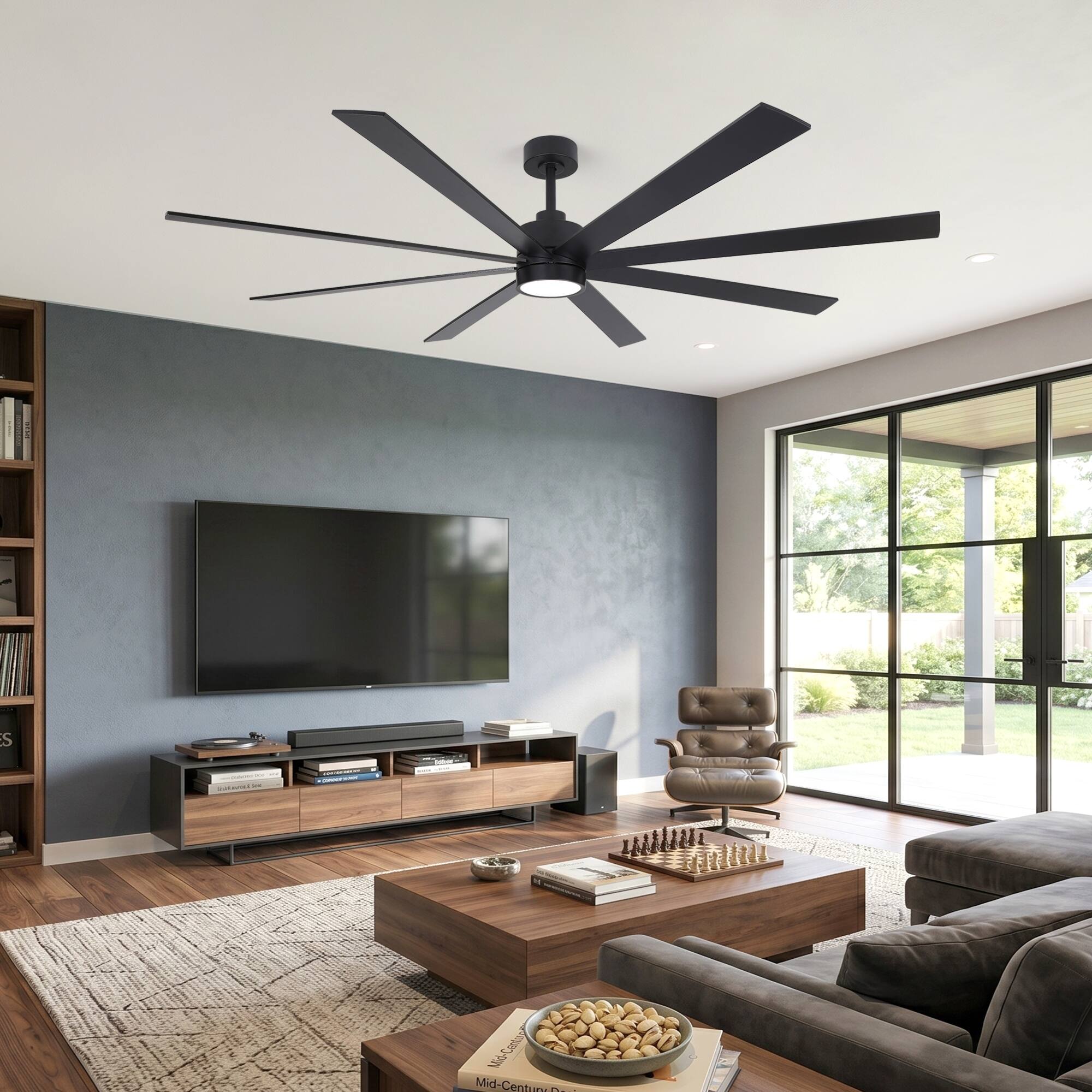
Why Nigeria's Power Supply Now Decides Which Fan Wins
No factor shapes fan buying decisions in Nigeria more directly than the reliability of the grid itself, and 2025 gave buyers a stark reminder of exactly why. During one nationwide collapse, nine out of eleven electricity distribution companies received zero megawatts, according to reporting cited by appliance reviewers, an event that pushed even skeptical households toward battery backed fans almost overnight. Outage patterns are not evenly spread either, since Kaduna Electricity Distribution Company exhibits the highest average outage frequency and duration in the country, with outage durations typically worsening during the rainy season from June through September, a seasonal rhythm that quietly drives spikes in rechargeable fan sales in specific regions.
Manufacturers have engineered directly around this reality rather than treating it as a side feature. Rechargeable models now routinely promise real overnight coverage, with brands advertising batteries that provide six to twelve hours of cool air on a single charge, while some higher capacity Lontor models are built with batteries ranging from four thousand to eighteen thousand milliamp hours, giving users up to six to eighteen hours of continuous use depending on speed. Solar charging has become the next frontier for households tired of paying for both electricity and fuel, since many current models can now connect directly to a solar panel to charge during the day, making them fully independent of the national grid. Even everyday convenience features are being reframed around blackout survival, with buyers repeatedly citing a fan's USB port as an emergency lifeline, since it can keep a phone alive for emergency communication during an extended nineteen hour blackout.
What Nigerian Consumers Consider Before Choosing a Fan
Battery Runtime and Charging Speed
For rechargeable buyers, how long a fan lasts on a single charge now matters more than brand prestige, with shoppers actively comparing claims like a model that can last up to thirty two hours when fully charged at its lowest speed setting against faster charging alternatives that promise a full night's use after only a few hours plugged in.
Solar Compatibility
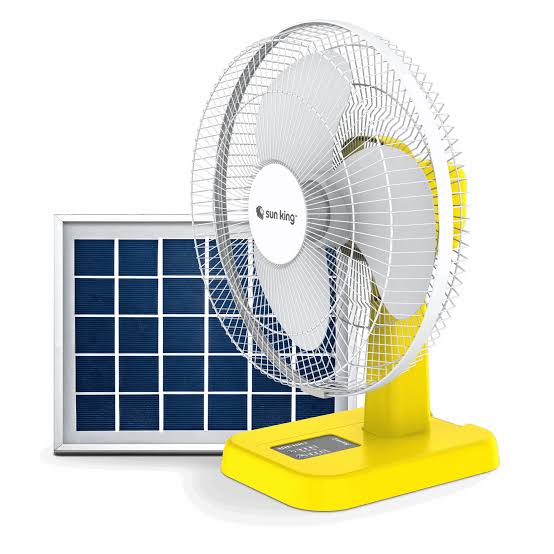
Rising fuel and electricity costs have pushed solar readiness from a luxury feature to a genuine deciding factor, particularly for households looking to retire noisy generators, since running a fan on stored solar power at night means users can finally turn off noisy, fuel consuming generators altogether.
Total Setup Cost, Not Just Sticker Price
Buyers increasingly calculate the full cost of going off grid before committing, aware that a complete rechargeable fan and solar panel setup can realistically bring total investment to around one hundred and eighty thousand naira, a figure that changes the calculus for budget conscious households compared to a basic plug in model.
Format Fit for the Room
Households furnishing new spaces increasingly weigh ceiling fans against standing models for aesthetic and space reasons, with a modern ceiling fan complete with lighting and remote control typically priced between one hundred and twenty thousand and four hundred and fifty thousand naira depending on model and features, a meaningfully different purchase decision from a portable rechargeable unit.
The Rise of Informed Fan Buyers
Nigerian shoppers are researching fans with the same seriousness once reserved for phones or television purchases. Common searches now include:
Best rechargeable fan for long power outages in Nigeria
Lontor vs Qasa vs Andrakk rechargeable fan comparison
Solar rechargeable fan prices in Nigeria 2026
Ceiling fan with remote control and LED light price
Cheapest 18 inch rechargeable standing fan
How many hours does a rechargeable fan last on full charge
This growing research culture, driven heavily by product reviews, TikTok vendor posts and price comparison blogs, continues to shape which battery powered brands earn first time buyer trust ahead of a purchase.
Challenges Facing Nigeria's Fan Industry
Counterfeit and substandard batteries remain one of the category's most persistent problems, since low quality cells shorten runtime dramatically and quietly damage brand reputations that took years to build among price sensitive buyers.
Grid unpredictability continues to inflate real ownership cost beyond the sticker price, since households in high outage regions often burn through several budget units before settling on a more durable, higher capacity model, an expensive trial and error cycle that better information could shorten considerably.
Import dependency leaves pricing exposed to currency swings, since most rechargeable components, batteries, motors and solar charge controllers, are imported, meaning naira depreciation feeds directly into retail prices across every tier from budget standing fans to premium ceiling models.
Market Outlook for 2026 and Beyond
Global demand trends support continued growth for the category well beyond Nigeria's borders, with the worldwide electric fan market estimated at fourteen point zero four billion dollars in 2025, expected to reach fourteen point six one billion dollars in 2026, growing at a compound annual growth rate of four point four three percent toward nineteen point zero two billion dollars by 2032. The wider household fans category tells a similar story, with global market size reaching thirty three point eight two billion dollars in 2026 and projected to grow to thirty eight point eleven billion dollars by 2030.
Solar integration looks set to become the biggest single growth driver specific to markets like Nigeria. Entry level solar fan systems are already being priced accessibly for this exact audience, with brands offering entry level solar fan systems starting at twenty two to forty dollars in markets such as India, Nigeria and Kenya, often with pay as you go financing options. Within that solar segment, ceiling fans currently lead demand, holding approximately thirty four point two percent of total solar fan market revenue in 2025, while pedestal style units hold the second largest share thanks to their portability.
Conclusion
Nigeria's fan market in 2026 does not need to convince anyone to buy a first fan, nearly every household already owns one. Its real battleground is the upgrade cycle triggered by blackouts, where Lontor's engineering for regional heat and outages, Qasa and Andrakk's battery reliability, and premium ceiling fan brands like LG and Panasonic's design appeal all compete for the same shrinking moment, the day a household decides its old fan can no longer survive without the grid. The brands that keep winning that moment will be the ones building specifically for Nigeria's blackout reality, not simply importing whatever cools a room somewhere else.
About this Report
The Flipbz Electric Fan Brands in Nigeria (2026) Market Report is an independent editorial publication prepared using publicly available information from industry research platforms, retailer data and market intelligence sources, together with independent market analysis by Flipbz. It is intended to provide market insight and does not constitute purchasing advice.
Please register to comment.
With these components in place, your business...
SolidBase Builders Limited is a professionall...
PrimeStone Construction Nigeria Ltd is a well...
CrestRock Engineering Services Ltd is a scala...
Here is an oppotunity to buy a money machine,...
Discover promising partnership opportunities in various industries.
Pitch Your Startup | Find Partners
.jpg)
.jpg)
.jpg)
.jpg)

Comments