
.jpg "Fearless, Fast and Everywhere: Inside Nigeria's Energy Drink Explosion")
Written By: Flipbz.org
No beverage category in Nigeria has grown its cultural footprint faster in the last few years than energy drinks. What began as a niche import for long distance drivers and nightclub goers has become a genuine mass market habit, fuelling students through exam season, gig workers through double shifts, and Lagos nightlife through the early hours. Yet 2026 has also brought the sharpest regulatory and health scrutiny this category has ever faced in Nigeria, as sugar content, caffeine limits and marketing to young people move from footnote to headline. This report examines the brands Nigerians actually reach for, the corporate deals reshaping the competitive field, and the health debate now sitting squarely underneath every can sold.
The Flipbz Energy Drink Brands in Nigeria (2026) Market Report draws on publicly available information from industry research platforms, Euromonitor International, public health studies and market intelligence sources, combined with Flipbz's own market analysis. The report does not rank or promote individual brands but examines the pricing, regulatory and consumer behaviour forces shaping Nigeria's energy drink market.
A Small Category Growing Faster Than the Rest of the Aisle
Energy drinks remain modest in absolute size compared to soft drinks or beer, but their growth rate is now outpacing almost everything else on Nigeria's beverage shelf. Current sizing puts the category at a genuinely meaningful scale, since the Nigeria energy drinks market was valued at USD 255.50 Million in 2025, and is expected to grow at a CAGR of 6.20% during the forecast period of 2026 to 2035 to reach a value of USD 466.27 Million by 2035. Nigeria's growth is already the standout across the continent, since energy drinks are among the fastest growing soft drink segments in Africa, with Nigeria leading growth at a projected CAGR of 14.1%, well above the continental average.
The forces behind that growth are distinctly urban and modern. The rise in nightlife cultures and gig economy participation all over Lagos and Abuja are the main growth factors behind the surging demand for high caffeine functional beverages that are marketed for endurance, alertness, and long work hours. Distribution still runs largely through the informal economy, since Nigeria's retail market remains highly informal as 90% of FMCG sales flow through kiosks and open markets, and energy drink companies are customizing distribution models to match this trend. Regionally, the category's momentum looks set to continue, since the Africa Energy Drinks Market valued at $3.8 Billion in 2026 is projected to expand to $8.74 Billion by 2035, advancing at a 9.70% CAGR over the analysis window.
Fearless Out Front, But the Chase Is Getting Closer
One brand has dominated Nigeria's energy drink conversation for years, and recent consumer surveys confirm it still holds a commanding lead, even as challengers close in. Survey data shows Fearless remains the top choice, with 44% of surveyed consumers purchasing it in the week before the study, while Predator follows at 29%, and Power Horse and Bullet register smaller shares of 5.8% and 5.2% respectively. That concentration runs deep across the whole category, since the top 10 energy drink brands account for over 97% of consumer preference, signalling a highly concentrated market where only a few players dominate.
Fearless's staying power rests on a specific, well understood formula. The Fearless energy drink leads the pack due to factors such as low price, brand popularity, and what consumers consider as great taste, and it is one of the oldest energy drinks in the Nigerian market, having for a long time dominated the market. Its manufacturer has also innovated on format, since in November 2023, Fearless debuted a 50cl energy drink can, focused on prolonged energy delivery, appealing to active and working consumers. Industry analysts credit the brand's parent company directly for reshaping the wider competitive field, noting that Rite Foods Ltd stands out as one of the most dynamic competitors in 2025 thanks to the rapidly expanding profile of its Fearless brand, which has significantly reshaped the competitive landscape.
Even so, loyalty in this category is not absolute. Brand loyalty is notable but not absolute among Nigerian energy drink consumers, a fact reflected in the intensity of the competition still emerging beneath Fearless at the top of the table.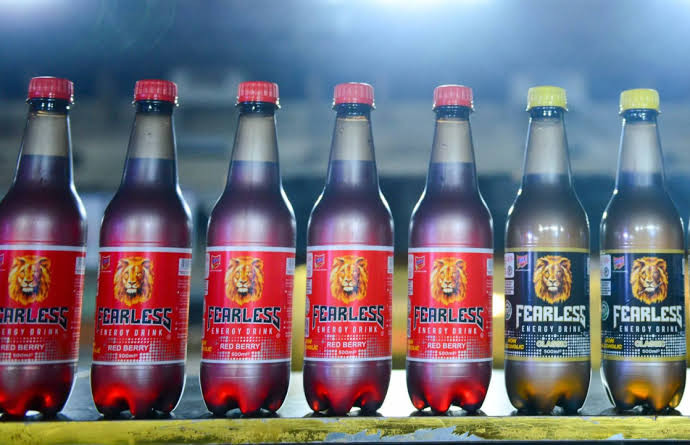
The Rest of the Field: Predator, Bullet, Monster and the Imports
Behind Fearless sits a genuinely crowded field of both homegrown and multinational names, each carving out a distinct identity. Predator has built its position through a well known global parent, since Predator Energy Drink is a product of Monster Energy, an affiliate of the Coca-Cola Hellenic Bottling Company, and exists to ignite hustling spirit, allowing consumers to thrive not just survive. Bullet, meanwhile, has built its reputation on affordability and potency, since Bullet Energy Drink is another affordable and widely consumed option in Nigeria's energy drink market, known for its low cost and potent energizing effects, containing caffeine and taurine, offering a strong energy boost at an accessible price point.
Monster and other global names round out the premium and mid tier field, with retail pricing giving a sense of where they sit against local rivals, since Monster is produced by Monster Beverage Corporation and marketed by Coca-Cola, coming in a black can of 450ml sold between N350 and N400. Nigerian Breweries has its own entrant too, since Climax energy drink is a product of Nigerian Breweries and is blended with herbs, sold around N300 per can. Bullet's own can carries genuine retail weight as well, since a Bullet energy drink of 250ml can is sold for the price of N400 in many markets. A caffeine free alternative also holds a loyal following, since Lucozade Boost is rated the best energy drink in Nigeria by some rankings and is an energy drink that is caffeine free.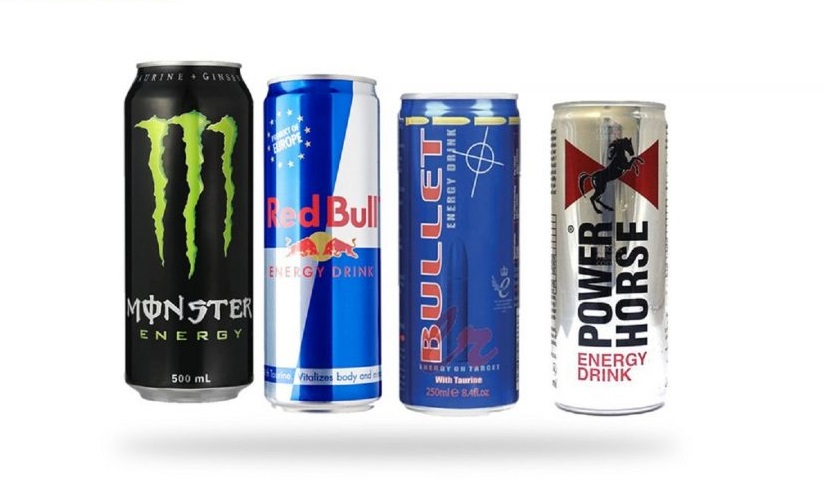 A Local Brand Goes Continental
The single biggest corporate story in Nigeria's energy drink category this year has been Champion Breweries' pursuit of Bullet, a deal that transforms a familiar Nigerian name into a genuinely pan African asset. The transaction closed in early 2026, since Champion Breweries Plc announced the successful completion of its acquisition of the Bullet brand portfolio from Sun Mark, positioning Champion for continental scale, with Bullet products already distributed in 14 African markets and strong market leadership in Nigeria's RTD alcoholic segment and the regional energy drink category. The deal was structured deliberately to maximise reach without heavy upfront cost, since the structure enables rapid integration without significant upfront manufacturing capital expenditure, while creating a pathway to future Nigerian production capacity that could position the country as a regional export hub.
The financial logic behind the move is just as significant as the brand logic, since EnjoyBev's revenues are generated in euros and other hard currencies, giving Champion Breweries a genuine FX denominated income line for the first time in its history, offering a natural hedge against naira volatility that few of Champion's domestic peers can claim. Company leadership framed the acquisition as a generational leap, with the managing director stating the deal is "combining nearly 50 years of brewing heritage with a proven pan-African RTD and energy drink platform."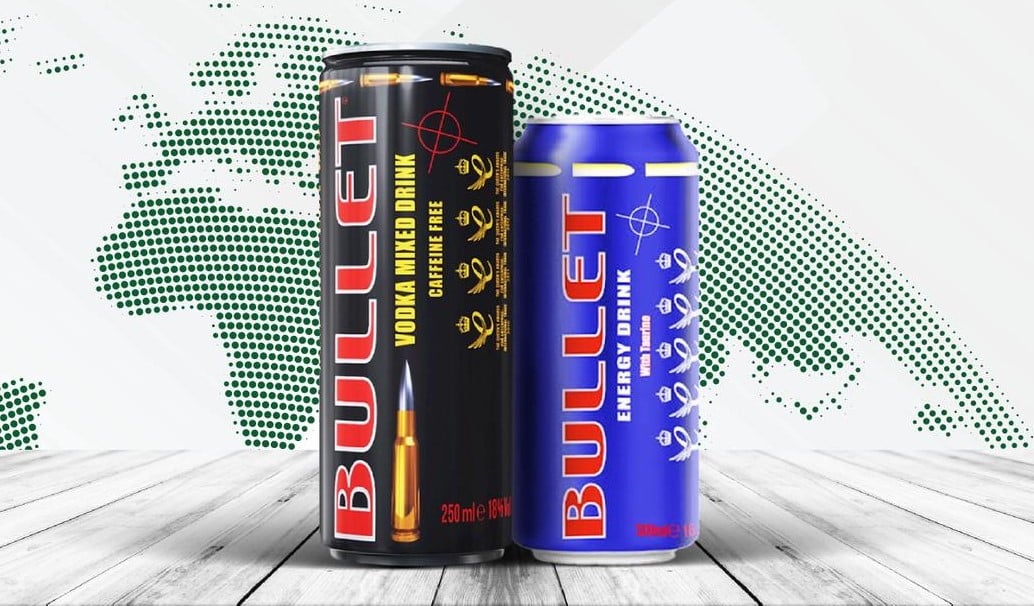
The Sugar and Caffeine Reckoning
Beneath the growth and dealmaking sits a genuinely serious health conversation that regulators and researchers are now pushing harder than ever before. Nigeria's food safety authority has set clear compositional limits, since NAFDAC strictly enforces chemical and compositional baselines for these drinks, stipulating that a formulated caffeinated beverage must contain between 14.5 mg and 32 mg of caffeine per 100 mL. Sugar content, however, remains a bigger point of concern among researchers, since a recent study found the mean sugar density across sampled brands was 10.27 g/100 mL, ranging from 5.2 g/100 mL to 13.5 g/100 mL, and a single 500 mL serving of the market leader delivers 67.5 g of free sugars, representing 135% of the daily limit recommended by the WHO for a 2,000-kcal diet.
Youth consumption patterns make this especially pressing, since approximately 81 percent of Nigerian adolescents were found to consume sugar sweetened beverages daily, according to a 2025 study. Regulatory response is building accordingly, since researchers have proposed that a mandatory 100-metre alcohol and stimulant free sales perimeter should be established around all primary, secondary, and tertiary educational institutions across Nigeria to limit availability to youth. On taxation, the current framework has already shifted, since the newly enacted retail-price levy creates a stronger fiscal instrument than the previous ₦10 per litre volume tax, but lacks nutrient-profile indexing to incentivize product reformulation.
Manufacturers are responding with product innovation rather than waiting for stricter rules to force their hand, since the introduction of zero-sugar SKUs is no longer optional, with both Red Bull GmbH and Monster Beverage Corporation ramping up efforts to enhance shelf visibility for sugar-free variants, while stricter NAFDAC guidelines on labeling and caffeine limits are pushing companies toward more transparent nutritional disclosures and functional claims related to vitamin B and taurine. New entrants are leaning fully into this shift too, since in February 2026, ALife launched a natural energy drink, featuring fruit juice and zero added sugar, catering to health-conscious consumers.
What Nigerian Consumers Actually Weigh Before Buying an Energy Drink
Price and Perceived Potency Over Brand Prestige
For most everyday buyers, an affordable can that delivers a genuine energy kick matters more than global brand pedigree, which is precisely why locally produced names built around low cost have consistently outsold more expensive imported alternatives.
Occasion Specific Use
Purchasing patterns shift by moment, since students reach for a boost during exam season, gig workers and drivers use energy drinks to sustain long shifts, and nightlife consumers buy them to extend a night out, meaning the same buyer may switch brands depending entirely on the occasion.
Health Perception Despite the Sugar Content
A significant share of buyers still associate energy drinks with wellness rather than risk, since research shows many consumers view energy drinks as healthy despite high sugar content, a perception gap that continues to shape purchasing decisions even as regulators push back.
Format and Portion Size
Newer buying patterns are emerging around smaller, more discreet formats, since energy shots are gaining traction among gig workers and long distance drivers because these small formats are easier to carry and consume discreetly during work hours.
The Rise of Informed Energy Drink Buyers
Nigerian consumers, particularly younger buyers now more aware of health warnings, are researching more carefully before choosing an energy drink. Common searches include:
Fearless versus Predator versus Bullet comparison
Energy drink caffeine content Nigeria
Best energy drink for studying and exams
Zero sugar energy drink brands in Nigeria
Is Bullet Black the same as Bullet Blue
Energy drink prices 2026
This growing research culture, amplified by campus health campaigns and social media reviews, continues to shape which brands earn first time buyer trust beyond simple price comparison.
Challenges Facing Nigeria's Energy Drink Industry
Regulatory fragmentation continues to complicate compliance even for established players, since Nigeria's regulatory environment remains complex, with NAFDAC guidelines often subject to varying interpretations and inconsistent enforcement.
Rising public health scrutiny threatens to reshape product formulation across the board, since mounting evidence around sugar density and youth consumption is pushing policymakers toward stricter labelling and marketing restrictions that could raise compliance costs industry wide.
Alcohol blended variants have drawn fresh regional regulatory attention, since NAFDAC has flagged that stimulants such as caffeine can mask the depressant effects of alcohol, making consumers feel less intoxicated than they actually are, after Ghana's FDA announced a nationwide ban on alcoholic energy drinks in early 2026.
Import dependence on key raw materials leaves formulators exposed to currency shocks, since concentrated supply of taurine and synthetic caffeine from Asian chemical manufacturers exposes formulators to currency and shipping cost shocks.
Market Outlook for 2026 and Beyond
Nigeria's energy drink category enters the second half of 2026 with genuine momentum behind it, driven by youth culture, gig economy growth and an increasingly health conscious but still price sensitive consumer base. Consolidation looks set to continue reshaping the competitive field, following the pattern set by Champion Breweries' pan African Bullet acquisition, an early signal of how local Nigerian brands may increasingly seek scale through overseas brand ownership rather than simply competing at home. Meanwhile, regulatory pressure on sugar and caffeine content is likely to intensify rather than ease, pushing more manufacturers toward reformulated, lower sugar and functional positioning to stay ahead of tightening rules.
Whether Fearless can maintain its commanding lead as newer, better funded and increasingly health conscious challengers enter the market remains the category's central open question heading into the back half of the decade.
Conclusion
Nigeria's energy drink market in 2026 is defined by a genuine tension between explosive cultural relevance and mounting health scrutiny. Fearless's continued dominance, Predator and Bullet's aggressive positioning beneath it, and a wave of zero sugar and functional reformulations all point to a category still finding its long term identity. The brands that grow fastest from here will likely be those that can keep delivering the energy Nigerian consumers want, without ignoring the sugar and caffeine questions regulators and researchers are no longer willing to overlook.
About this Report
The Flipbz Energy Drink Brands in Nigeria (2026) Market Report is an independent editorial publication prepared using publicly available information from industry research platforms, Euromonitor International, public health studies and market intelligence sources, together with independent market analysis by Flipbz. It is intended to provide market insight and does not constitute purchasing advice.

Please register to comment.
With these components in place, your business...
SolidBase Builders Limited is a professionall...
PrimeStone Construction Nigeria Ltd is a well...
CrestRock Engineering Services Ltd is a scala...
Open the Listing model file located in the ap...
Discover promising partnership opportunities in various industries.
Pitch Your Startup | Find Partners
.jpg)
.jpg)




Comments