
.jpg "Riding on Borrowed Time: Nigeria's Tyre Brands and the Danger Beneath Every Wheel")
Written By: Flipbz.org
Nigeria's tyre market carries a burden most consumer categories never face, it is not just an economic story but a survival one. A worn or fake tyre on a Lagos expressway does not just cost a customer, it can cost a life, and that reality quietly shapes almost every decision in this category, from which brand a bus driver trusts to why so many Nigerians still gamble on second hand imports despite repeated warnings from Customs and road safety officials. In 2026, the story is not simply premium versus budget, it is a market split between a small number of trusted global names, a flood of Asian budget brands that now dominate by sheer volume, and a resilient but dangerous second hand tyre trade that refuses to disappear no matter how many times the government cracks down.
The Flipbz Tyre Brands in Nigeria (2026) Market Report draws on publicly available information from industry publications, trade associations, customs and road safety agencies, combined with Flipbz's own market analysis. The report does not rank or promote individual brands but examines the pricing, safety and consumer behaviour forces shaping Nigeria's tyre market.
A Market Nigeria Once Made, Now Fully Imports
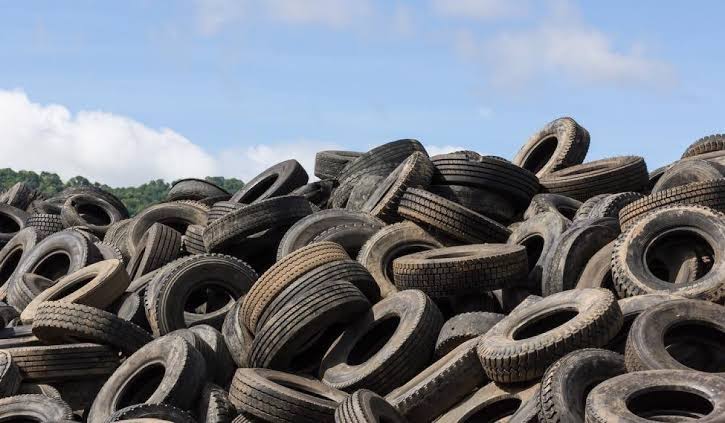
Nigeria's tyre industry carries the scars of a manufacturing base that collapsed less than two decades ago, a fact that still shapes pricing and brand perception today. The country once had genuine local production strength, since Dunlop Nigeria Plc and Michelin Nigeria Limited were major pioneers in Nigeria's tyre industry, and by 2005 the combined annual local capacity was 2.25 million units, representing 75% of Nigerian tyre market at that time. That advantage disappeared quickly, since the owners of both factories shut them down at the end of 2008 and 2006 respectively, driven by unfavourable business conditions, inconsistent government policies, and the influx of cheaper Asian imports. The shift was dramatic in speed, since by 2008, 90% of tyres sold in Nigeria were imported, up from just 25% in 2005, a shift that reshaped the industry entirely.
That collapse now defines the market's structure. Today's landscape has room for over a hundred competing names, since there are about 150 brands of tyre in the Nigerian market, yet a handful of dominant players still command consumer trust, since dominant players include Dunlop, Michelin, Bridgestone, Pirelli, Firestone, and Continental tires. The market's overall value has grown steadily despite this import dependence, since Nigeria's tyre market is worth an estimated $820 million, projected to hit $1.12 billion by 2030 at a 6.4% compound annual growth rate, driven by the country's 40 million strong vehicle fleet and expanding road networks.
Premium Names, Budget Reality
Nigeria's tyre shelf splits cleanly into two very different worlds, a small premium tier built on decades of trust, and a much larger budget tier built on price alone. Recent consumer research ranking the country's most popular brands places Pirelli, Michelin and Continental at the very top, followed by Yokohama, Bridgestone, Dunlop and Goodyear, with Accelera, Armstrong and RoadX rounding out the list of names motorists reach for most. Older brand loyalty surveys tell a similar story of trust concentrated at the top, since in one Twitter poll, Michelin got 42%, Bridgestone got 25%, Dunlop and GoodYear got 18% and 15% respectively, reflecting how a few pioneer names still carry outsized goodwill.
Yet trust in a name does not always translate into what Nigerians actually buy, because affordability dominates the final decision for most households. About 80% of Nigerian consumers buy budget tyres, mostly from Asia, a pattern driven squarely by economic pressure, since the declining purchasing power of consumers has continued to make the budget tires more attractive, with these cheaper imports accounting for about 80% of the Nigerian total tire market. Dealers on the ground confirm this tension directly, since one car dealer who sells spare parts in Ikeja noted that the pioneer brands still enjoy goodwill in the market, while the new brands are still struggling to gain customers' confidence, even as affordability remains a major factor for most Nigeria users.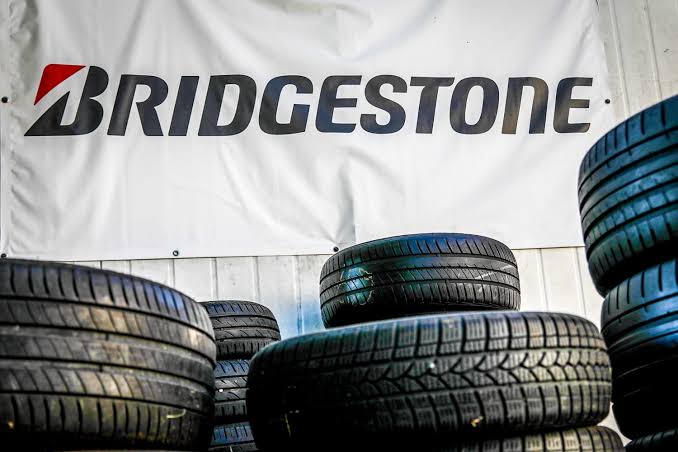
A French Giant Plots Its Return
No development better captures the shifting mood in Nigeria's tyre market than Michelin's decision to re engage a country it walked away from nearly two decades ago. The French manufacturer's exit remains a landmark moment in the industry's history, since Michelin's shutdown of production in 2007 marked the end of an era in Nigeria's tyre manufacturing history, a closure driven by the same forces that ended Dunlop's local run. Now, eighteen years after shutting production in Port Harcourt, Michelin is making a strategic comeback to a market it once dominated, and while the company has not announced plans to reopen a factory, it wants to rebuild its brand visibility, strengthen local presence, and position Nigeria as a key growth hub in Sub Saharan Africa.
The timing reflects genuine confidence in where the market is heading, since Nigeria's tyre market is worth an estimated $820 million, projected to hit $1.12 billion by 2030, a growth curve too significant for a former market leader to ignore, even with 80% of Nigerian consumers still buying budget tyres, mostly imported from Asia representing both a challenge and a golden opportunity for the brand to reclaim share.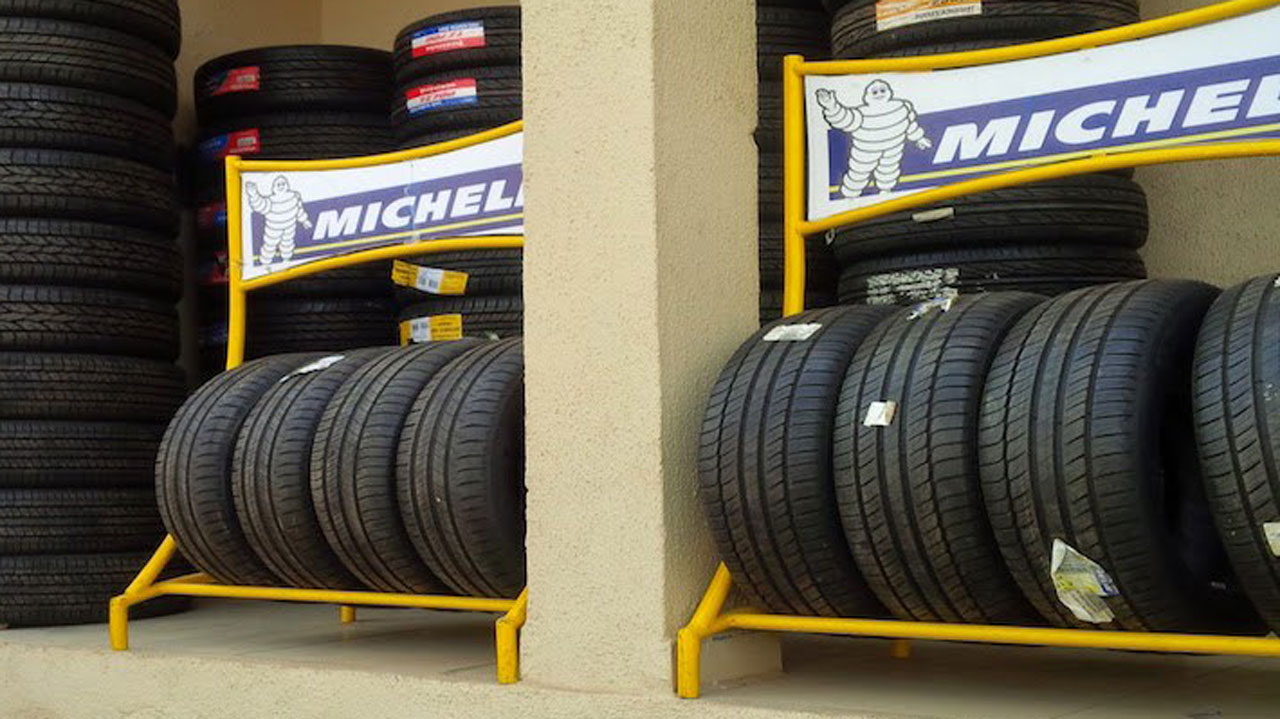
The Tokunbo Tyre Problem Nobody Has Solved
Beneath the brand rivalry sits a far more urgent issue, the second hand tyre trade that continues to put lives at risk despite years of official warnings. These imported used tyres, universally known as Tokunbo, have become both an economic lifeline for budget buyers and a genuine safety hazard, since these pneumatic tyres are deemed unsuitable for our highways because a significant number of them have exceeded their recommended lifespan from their manufacturing dates. Government officials have repeatedly pleaded with motorists to stop, since Nigeria Customs Service's Ogun 1 Area Command has urged Nigerians to refrain from the use of second hand tyres in order to stem the incessant cases of road crashes, advising the public to buy new tyres rather than used ones because they would last longer and are safer on the highway.
The scale of harm tied to this trade is genuinely alarming. Federal Road Safety Corps data has repeatedly linked substandard tyres to the majority of crashes on Nigerian roads, since statistics from the FRSC indicated that 70 per cent of road traffic accidents are caused by use of substandard tyres, with one bulletin noting that tyres expire after four years or after travelling a certain distance regardless of appearance. More recent reporting puts the figure even higher for specific crash types, since 80 per cent of road accidents were caused by burst tyres, and not less than 60 per cent of vehicles, especially commercial vehicles, use either sub standard or expired tyres. Left unaddressed, officials warn the human cost will keep climbing, since if current trends continue, Nigeria could lose at least 65,000 people to road crashes by 2030, with crashes growing at 10 per cent annually.
Economic pressure keeps pushing buyers toward these risky tyres anyway, since even Tokunbo prices have climbed sharply, as tyres that lately sold at N5,000 to N8,000 now go for between N15,000 and N18,000, while non premium new brands like Links, Maxxis and Doofride that lately sold at N28,000, now sold between N35,000 to N40,000. Quality control efforts have intensified in response, since the Standard Organisation of Nigeria has seized several imported substandard tyres worth N2 billion, underlining just how large the fake and expired tyre trade has grown.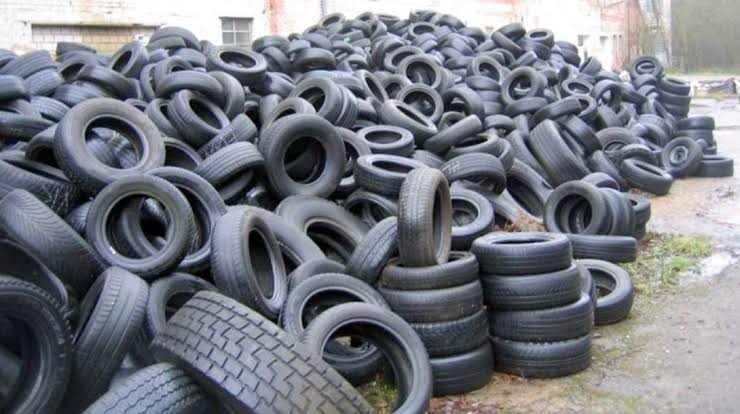
What Nigerian Consumers Actually Weigh Before Buying a Tyre
Price Against Household Budget
With new premium tyres often costing multiples of budget or second hand alternatives, most buyers shop by what they can afford that month rather than committing to one brand, a pattern reinforced by the fact that affordability is a major factor for most Nigeria users.
Perceived Durability and Road Safety
Buyers who can afford to choose consistently favour long trusted names, since pioneer brands still enjoy goodwill in the market, while newer or unfamiliar brands must work harder to earn the same confidence.
Vehicle Type and Tyre Size Match
Matching the correct size and load rating to a specific vehicle remains essential, since using the wrong size can lead to speedometer errors and suspension damage, making precise fitment as important as brand choice.
Climate Suitability
Nigeria's tropical conditions shape what actually performs well on local roads, since Nigeria primarily requires all season tyres designed to provide grip during heavy downpours while remaining stable during the scorching dry season, a reason buyers are increasingly warned to avoid winter rated tyres common in some used imports.
The Rise of Informed Tyre Buyers
Nigerian motorists, increasingly aware of the safety stakes involved, are researching more carefully before buying tyres. Common searches include:
Best tyre brands in Nigeria 2026
Michelin versus Bridgestone versus Dunlop comparison
Cheapest new car tyre prices in Nigeria
Is Tokunbo tyre safe to use
Tyre size guide for Nigerian cars
New tyre prices by size 2026
This growing research culture, amplified by auto parts blogs and road safety campaigns, continues to shape which brands earn first time buyer trust.
Challenges Facing Nigeria's Tyre Industry
The absence of local manufacturing remains the industry's deepest structural weakness, since Today, all the tyres in the Nigerian market are imported following the cessation of local tyre manufacturing, leaving pricing fully exposed to currency swings and global shipping costs.
The second hand tyre trade continues to undermine safety efforts even as regulators push back, since despite repeated Customs warnings, economic pressure keeps a significant share of motorists buying expired Tokunbo tyres rather than new ones they cannot afford.
Policy inconsistency threatens any manufacturing revival, since industry voices reviewing the broader automotive policy have warned that further liberalisation without complementary industrial policies could lead to higher import penetration, reduced local assembly volumes, lower factory capacity utilisation and weaker incentives for investment in component manufacturing, including tyres.
Substandard and fake tyres remain a persistent enforcement challenge, since seizures worth billions of naira show the scale of counterfeit and expired product still reaching Nigerian roads despite ongoing regulatory efforts.
Market Outlook for 2026 and Beyond
Nigeria's tyre category is positioned for continued growth even without a domestic manufacturing base, riding on the back of a rapidly expanding vehicle population and road network. Industry estimates place the market on a clear upward path, projecting it will hit $1.12 billion by 2030 at a 6.4% compound annual growth rate, a trajectory strong enough to draw a former market leader like Michelin back into active competition after nearly two decades away.
Whether that growth translates into a safer market depends heavily on unresolved structural questions, namely whether government policy can strike a genuine balance between import affordability and incentives for local component manufacturing, an outcome automotive industry voices have explicitly called for. Until then, Nigeria's tyre story will likely keep unfolding exactly as it has for years, brand reputation shaping what buyers aspire to, price shaping what most can actually afford, and safety enforcement racing to catch up with a used tyre trade that shows no sign of disappearing on its own.
Conclusion
Nigeria's tyre market in 2026 is defined less by a straightforward contest between global names and more by the tension between what motorists can afford and what actually keeps them safe. Michelin, Bridgestone and Pirelli's enduring premium goodwill, a flood of budget Asian brands now commanding the bulk of the market, and a stubborn Tokunbo trade that repeated government warnings have failed to eliminate all pull at this category from different directions. The brands that gain the most ground from here will likely be those that can make genuine safety and durability affordable at scale, rather than simply competing to be the cheapest name on a market stall.
About this Report
The Flipbz Tyre Brands in Nigeria (2026) Market Report is an independent editorial publication prepared using publicly available information from industry publications, trade associations, customs and road safety agencies, together with independent market analysis by Flipbz. It is intended to provide market insight and does not constitute purchasing advice.
Please register to comment.
With these components in place, your business...
SolidBase Builders Limited is a professionall...
PrimeStone Construction Nigeria Ltd is a well...
CrestRock Engineering Services Ltd is a scala...
Open the Listing model file located in the ap...
Discover promising partnership opportunities in various industries.
Pitch Your Startup | Find Partners
.jpg)


.jpg)

Comments