
.jpg "When NEPA Takes a Break: Nigeria's Inverter Battery Revolution Powers On")
Written By: Flipbz.org
The inverter battery is Nigeria's quiet insurance policy against a grid that cannot be trusted, and 2026 finds this category at an unusual crossroads, caught between the lead acid tubular batteries that built the industry and a fast rising wave of lithium systems promising longer life at a steeper price. This report, built on publicly available retail data, market intelligence and independent Flipbz analysis, examines the brands, pricing tiers and technology shift defining how Nigerian households and businesses choose backup power in 2026, a year in which the category's biggest story is not which brand wins, but which battery chemistry Nigerians can actually afford to trust.
A Market Built on Necessity, Not Preference
Nigeria's inverter battery industry exists because the national grid simply cannot be relied upon, a reality that has turned backup power from a luxury into daily infrastructure. Industry observers describe this plainly, noting that as electricity supply remains inconsistent, businesses and households are turning to alternative energy sources, among which inverter batteries have emerged as a crucial component in ensuring uninterrupted power. That shift has not stayed static either, since frequent power outages have made it necessary for Nigerians to seek backup power solutions, with the resulting demand fuelling rapid expansion of inverter battery manufacturers in Nigeria.
What makes this category genuinely interesting in 2026 is the quiet decline of the option many Nigerians once defaulted to instead. Generators, once the undisputed first choice for backup power, are losing ground, since traditional generators, once the go to option, are becoming less popular due to high fuel costs and environmental concerns, while inverter batteries, on the other hand, offer a more sustainable and cost effective alternative. That single shift, away from fuel and noise and toward silent stored power, is reshaping an entire household spending category.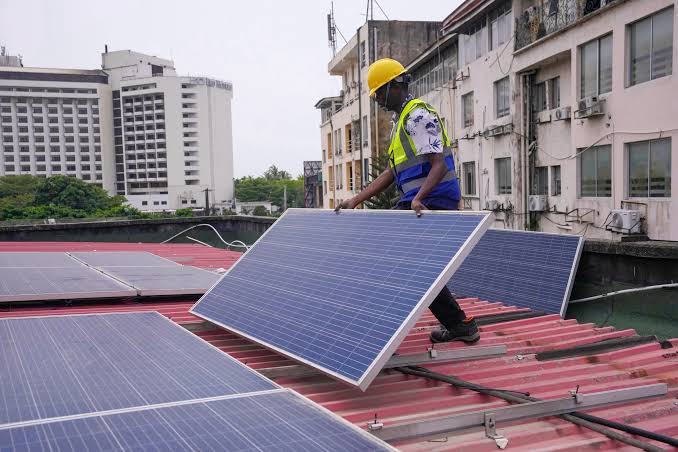
The Brands on Nigerian Shelves Today
Nigeria's inverter battery shelf splits cleanly along chemistry lines, and that split now matters more to buyers than brand name alone. At the traditional lead acid end, long trusted names still dominate everyday household purchases, with retailers listing Luminous as the leader in tubular technology, these are rugged, affordable, and specifically designed for the high heat Nigerian climate. Other widely recognised names fill out this tier, since buyer guides commonly recommend Mercury, Su Kam, PRAG, and Bluegate as solid performers alongside Lento, which many reviewers now rank among the strongest inverter brands available. Value conscious lead acid buyers gravitate toward a specific cluster too, with Multipower considered affordable, while Quanta, though slightly higher priced, is known for better cycling and load efficiency, both serving small shops and residential kits where budget matters more than advanced features.
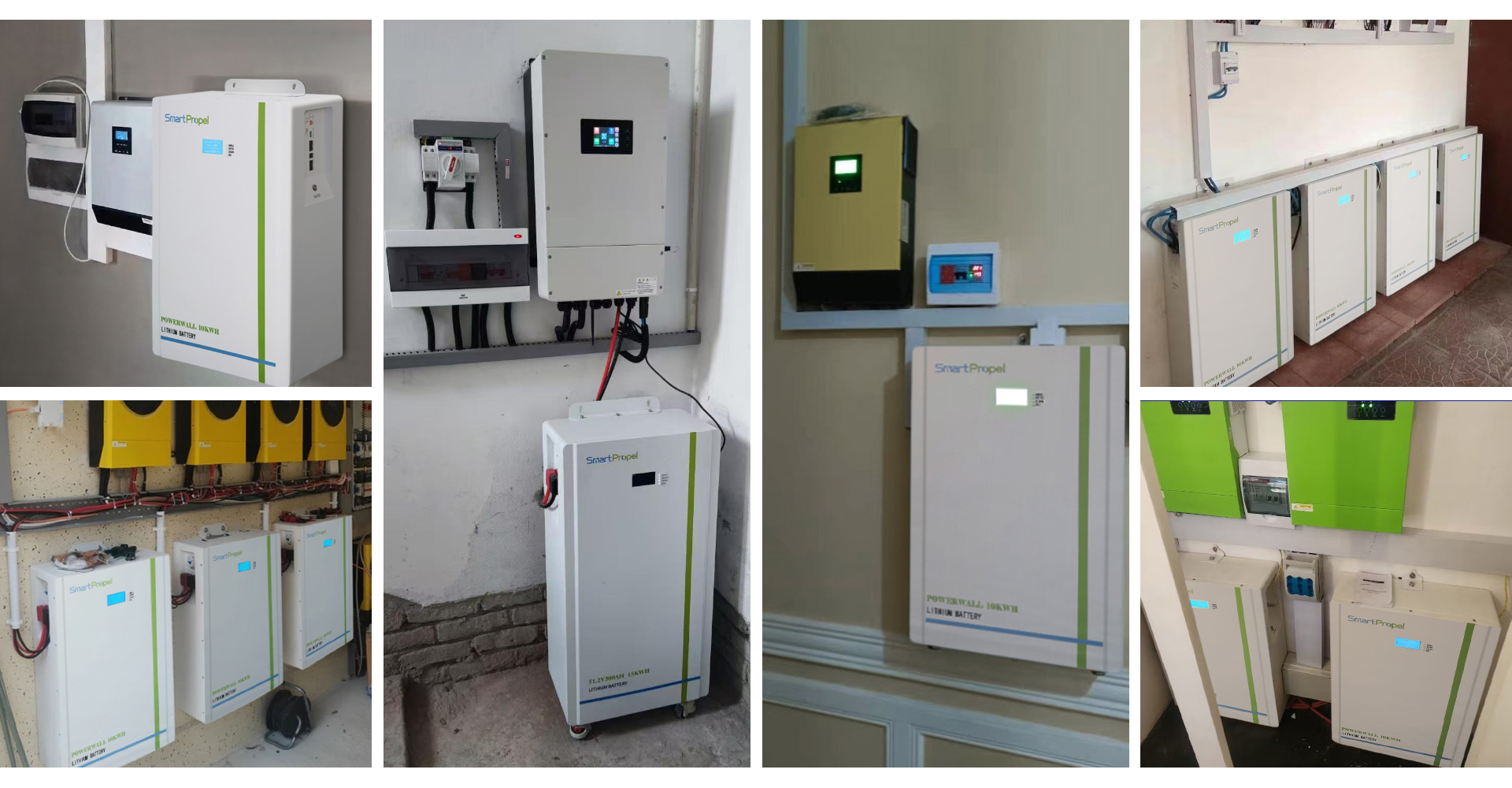
The lithium tier has grown rapidly in the past two years, driven by brands explicitly built for solar integration. Felicity has become one of the most recognisable names in this space, widely described as one of the most trusted solar battery brands in Nigeria, recommended by certified solar installers across Lagos, Abuja, and Port Harcourt. Alongside Felicity sit Pylontech, BYD, Growatt and SRNE, with Pylontech in particular noted for long lifespan, superior thermal stability, while BYD carries a premium reputation built on high energy density and strong safety features. Growatt has carved its own lane through ecosystem thinking, with its lithium ion batteries designed to enhance the self consumption of solar energy, reducing dependence on the grid, backed by intelligent management systems for optimised charging and discharging.
Why Chemistry, Not Just Brand Name, Now Decides Which Battery Wins
The real decision every Nigerian buyer now faces is not simply which brand to trust, it is which battery chemistry their budget can actually support, and the price gap between the two options is enormous. Entry level lead acid remains dramatically cheaper upfront, with a 12V 200Ah Lithium battery costing between ₦315,000 and ₦470,000, considerably more than a comparable gel battery, though it reportedly lasts four times longer and is much lighter. That trade off, higher cost against longer life, now sits at the centre of nearly every serious backup power conversation in Nigeria.
Capacity and system size further complicate the comparison, since complete systems scale sharply with need, as a 1.5kVA system with one 200Ah battery and inverter costs roughly ₦650,000 to ₦750,000, while a 3.5kVA system with two 200Ah batteries climbs well past a million naira. At the premium lithium end, pricing escalates even further, since a Pylontech 10kWh system costs approximately ₦4,900,000, placing the brand firmly in the mid range lithium market compatible with hybrid inverters including Growatt and Victron.
Reliability concerns specific to Nigeria's climate and power quality also shape brand trust heavily. Industry guidance continues to position hybrid inverters as essential precisely because of grid instability, since brands like SRNE are designed to automatically switch to battery backup during grid interruptions, ensuring homes or businesses continue receiving uninterrupted power. Maintenance expectations differ sharply by chemistry too, with buyers warned that cheaper tubular options demand real upkeep, since choosing a tubular battery means needing to top up distilled water every two to four weeks and ventilate the battery area, a recurring task lithium buyers avoid entirely.
What Nigerian Consumers Consider Before Choosing an Inverter Battery Brand
Upfront Cost Versus Long Term Value
Budget conscious buyers weigh sticker price heavily, often choosing the cheapest tubular option available, such as a Mercury Elite 220Ah Tubular at roughly ₦295,000 offering strong deep cycle performance, even knowing it demands more hands on maintenance than sealed alternatives.
Maintenance Tolerance
Households without time or inclination for upkeep increasingly favour maintenance free options, gravitating toward sealed GEL batteries precisely because they avoid the recurring distilled water top ups and ventilation requirements tubular batteries demand.
Solar Compatibility and Hybrid Readiness
Buyers investing in renewable backup now prioritise battery brands with proven hybrid inverter integration, since compatibility with systems like Growatt and Victron has become a genuine purchase filter rather than an afterthought for solar adopters.
Local Support and Installer Familiarity
Practical availability matters enormously in a market where breakdowns happen, with buyers favouring brands whose local market presence helps users find batteries, installers and replacement support more easily, a factor that keeps certain names dominant regardless of specification sheets.
Load Requirements and System Sizing
Buyers increasingly size their purchase to actual household needs rather than buying generically, recognising that a 1kVA to 2kVA inverter suits small backup loads, while 3kVA to 5kVA systems are more common for homes, a distinction that shapes both battery choice and total spend.
The Rise of Informed Inverter Battery Buyers
Nigerian consumers are researching backup power purchases with growing technical sophistication before committing significant household budgets. Common searches now include:
Lithium vs tubular inverter battery Nigeria comparison
Best inverter battery for home use 2026
Felicity vs Luminous vs Mercury battery price
Cheapest 200Ah inverter battery Nigeria
How long does a lithium solar battery last
Inverter battery maintenance tips Nigeria
This growing research culture, driven by solar installer blogs, electronics retailer comparisons and word of mouth from neighbours managing the same outages, continues to shape which brands earn trust in a market where a wrong choice means real money lost to early battery failure.
Challenges Facing Nigeria's Inverter Battery Industry
Affordability remains the industry's most persistent barrier, since the price gap between basic lead acid options and longer lasting lithium systems is wide enough that many households simply cannot access the technology best suited to their actual usage patterns.
Currency exposure continues to weigh heavily on pricing, since the vast majority of battery cells, whether lead acid plates or lithium iron phosphate packs, along with charge controllers and inverters, are imported, meaning naira depreciation feeds directly into retail prices across every tier of this market.
Counterfeit and substandard products pose a real risk in a category where failure can mean fire hazards or total loss of investment, making verified local distributor networks and after sales support increasingly important differentiators between brands that survive long term and those that do not.
Market Outlook for 2026 and Beyond
Nigeria's wider backup power landscape continues shifting away from fuel dependent generation and toward stored energy solutions, even as the generator market itself persists due to infrastructure gaps, with Nigeria's generator market valued at USD 650.3 million in 2025 and projected to reach USD 831.6 million by 2030 at a 5.0% compound annual growth rate. That persistence reflects a market where Nigeria's persistent electricity supply gaps create sustained demand for backup power generation across all sectors, a reality that benefits both generator makers and inverter battery manufacturers simultaneously rather than one replacing the other entirely.
Renewable integration looks set to accelerate further still, since the Nigeria inverter market is witnessing significant growth due to frequent power outages and the increasing adoption of renewable energy sources, with inverters playing a crucial role in providing backup power solutions for households and businesses, contributing to energy resilience. Government policy appears to be reinforcing rather than slowing this shift, since the Nigerian government has implemented policies to promote the use of inverters as a reliable power backup solution, potentially including incentives such as tax waivers or rebates for importation or local manufacturing. As lithium prices continue to soften globally and local assembly expands, Nigeria's backup power buyers may finally begin closing the gap between the chemistry they want and the chemistry they can afford.
Conclusion
Nigeria's inverter battery market in 2026 is not a simple contest between familiar names, it is a deeper negotiation between what households need and what they can realistically pay for, played out across two very different battery chemistries. Luminous and Mercury's tubular affordability, Felicity and Pylontech's lithium performance, and a wider field of brands like BYD and Growatt competing for solar adopters all pull at different segments of a market united by one unshakeable truth, Nigerian homes cannot wait for the grid to fix itself. The brands that grow fastest from here will be those that keep closing the price gap between basic backup and genuinely reliable power, without asking Nigerian households to choose between the two.
About this Report
The Flipbz Inverter Battery Brands in Nigeria (2026) Market Report is an independent editorial publication prepared using publicly available information from industry research platforms, retailer data and market intelligence sources, together with independent market analysis by Flipbz. It is intended to provide market insight and does not constitute purchasing advice.

Please register to comment.
With these components in place, your business...
SolidBase Builders Limited is a professionall...
PrimeStone Construction Nigeria Ltd is a well...
CrestRock Engineering Services Ltd is a scala...
Here is an opportunity to buy an established...
Discover promising partnership opportunities in various industries.
Pitch Your Startup | Find Partners

.jpg)




Comments