
.jpg "From Elite Treat to Everyday Drink: Nigeria's Fruit Juice Market Enters Its Health Conscious Era")
Written By: Flipbz.org
Nigeria's fruit juice aisle looks calm on the surface, familiar bottles, familiar orange and pineapple labels, the same handful of names that have sat on shelves for decades. Underneath that calm, 2026 has actually been one of the most disruptive years the category has faced, its most iconic brand quietly changed hands, its consumers pulled back sharply on spending before starting to recover, and a growing health conscious minority began reading sugar labels for the first time. This report, built on publicly available retail data, market intelligence and independent Flipbz analysis, examines the brands, pricing tiers and shifting consumer psychology defining how Nigerians buy, drink and increasingly scrutinise their fruit juice in 2026.
A Category Recovering From Its Own Affordability Crisis
Nigeria's juice market spent the last two years learning what happens when a treat becomes too expensive to treat yourself with. Category tracking confirms the scale of that correction, noting that juice stabilises in 2025 as consumers adapt to high prices and prioritise occasional, affordable consumption, a sharp reversal from the sharp contraction seen in 2024. The recovery that followed was not driven by everyone buying more, it was driven by buyers trading down, since retail volume sales of juice increase in 2025 as consumers downtrade to smaller packs and more affordable brands.
That downtrading shaped which parts of the category actually grew. Juice drinks, the cheaper, less concentrated tier rather than premium hundred percent juice, became the standout performer precisely because of who buys them, since juice drinks are the most dynamic category in 2025 as the most affordable, child-focused option. Analysts expect this recovery to keep building rather than fade, with retail volume sales of juice expected to rise over the forecast period as incomes recover and the child population expands, a reminder that in Nigeria, juice's biggest growth engine is still the school lunchbox, not the health food aisle.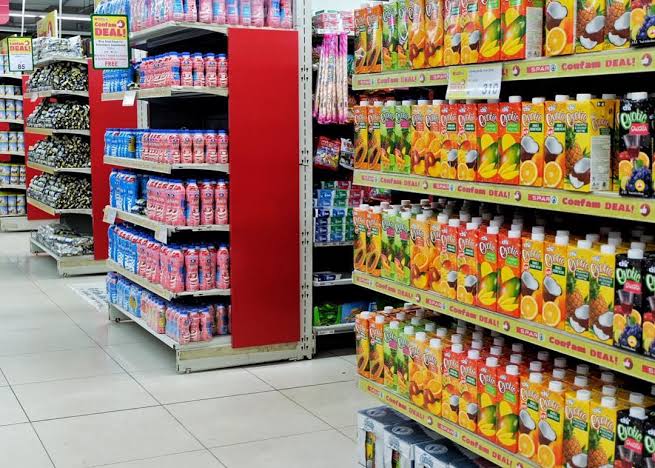
The Brands on Nigerian Shelves Today
Nigeria's juice shelf has just been through its biggest ownership shake up in decades. The country's most recognisable juice name changed hands in 2025, since Coca Cola Company announced the sale of its juice and nectar business Chivita Hollandia in Nigeria to UAC of Nigeria PLC, marking a shift toward a more agile, asset light global juice portfolio. That sale placed Chivita and Hollandia back under a fully Nigerian owned parent, since Chivita and Hollandia are the company's flagship brands, holding market leadership positions in Nigeria's fruit juice and dairy sectors, operating what is now the largest production site with aseptic beverage packaging in Sub Saharan Africa.
Despite the ownership change, the underlying company retains its market lead, since CHI Ltd retained its leading position in Nigerian juice in 2025, anchored by the strong equity and extensive portfolio of its Chi brand, benefiting from first mover advantage as one of the earliest local players to invest seriously in the category. Coca Cola Nigeria itself remains a major force in a different way, described as the most dynamic company overall in 2025 even after divesting its juice unit, largely through its continued involvement in the wider soft drinks space.
Beyond Chivita and Hollandia, the everyday shelf is genuinely crowded, with retailers stocking top brands like Chivita, Five Alive, Frutta, Wilson's Lemonade, Farm Pride, Frutta Juice, Farm Feast Juice, Capri Sonne and Ribena side by side. Within the Chi portfolio itself, sub brands carve out very different price and occasion niches, since the Exotic line offers a fruit nectar blend of distinctive tropical fruits or traditional local mixes, coming in Pineapple Coconut Nectar, Multifruita Nectar, and Mango Fruit Drinks. The flagship hundred percent line carries its own two decade history, having first entered the market in 1996 as Chivita Premium Fruit Juice before a 2014 rebrand renamed it Chivita 100% to convey to consumers the authentic composition of the product, a line that asserts its product is devoid of preservatives, artificial colors, and added sugars.
Why Sugar and Price Sensitivity Now Decide Which Juice Wins
Two forces are quietly rewriting what Nigerians expect from a bottle of juice, and neither is really about taste anymore. Price sensitivity remains the dominant one, with academic demand modelling confirming that non-alcoholic beverages are price elastic in Nigeria, and that the demand for fruit juice and other drinks is more elastic among households living in rural areas, meaning even modest price increases push meaningful numbers of buyers toward cheaper alternatives or away from the category entirely.
Running alongside affordability is a newer, steadily growing health consciousness. Global consumer tracking places Nigeria among the most engaged juice buying populations anywhere, noting that South Africa, Nigeria, and Finland lead in purchasing juices during this period, with nearly two thirds of these consumers drinking juice weekly. Within that demand, what buyers now want has shifted noticeably, since sugar reduction, natural ingredients, no artificial flavors or colors, vitamin and mineral fortification, and caffeine free claims are prevalent in every soft drinks category, part of a broader pattern in which bottled water consumption itself rose 46% due to its healthy image, pulling some juice buyers toward lighter alternatives. Regional data confirms Nigeria sits squarely inside this shift, appearing alongside South Africa, Turkey, Ghana and Pakistan as one of the top five countries for high product launches emphasising better for you options, including no added sugars, vitamin and mineral fortified, and low calorie formulations.
Local testing has also quietly started to inform this conversation, with laboratory analysis of Nigerian retail juice brands confirming that sucrose is the principal sugar found in the analyzed fruit juices, findings that feed directly into growing public awareness around exactly what buyers are drinking with every bottle.
What Nigerian Consumers Consider Before Choosing a Fruit Juice Brand
Hundred Percent Juice Versus Nectar Versus Juice Drink
Buyers increasingly distinguish between tiers rather than treating all juice as one category, since hundred percent fruit juice holds a meaningfully different position from nectar blends and diluted juice drinks, with the latter growing fastest precisely because affordability and child focused marketing matter more to most Nigerian households than concentration purity.
Pack Size Flexibility for Tight Budgets
Retail pricing shows just how much format flexibility now shapes the buying decision, with everyday options like Chivita's one litre bottle retailing around two thousand naira on one platform, while smaller individual serving sizes and multipacks let cash conscious households buy exactly what fits a given week's budget.
Sugar and Additive Transparency
Health aware buyers now actively seek out reassurance on the label itself, favouring lines explicitly positioned around being devoid of preservatives, artificial colors, and added sugars, a claim that has become a genuine differentiator rather than fine print most shoppers ignore.
Occasion and Brand Association
Purchase decisions are often tied to specific moments rather than daily routine, since juice remains a must have for important occasions such as parties and picnics, with multipack formats like the Happy Hour range built specifically around indoor and large outdoor gatherings rather than everyday solo drinking.
The Rise of Informed Juice Buyers
Nigerian consumers are researching juice purchases with growing care, weighing price, health and brand history before committing. Common searches now include:
Chivita vs Five Alive vs Frutta comparison
Hundred percent fruit juice versus nectar difference
Fruit juice with no added sugar Nigeria
Cheapest juice prices Nigeria 2026
Chivita Hollandia ownership UAC Coca Cola
Best juice brand for kids school lunch
This growing research culture, fed by supermarket price comparisons, parenting forums and nutrition conscious social media accounts, continues to shape which brands earn repeat purchases in a market still recovering its footing after two difficult years.
Challenges Facing Nigeria's Fruit Juice Industry
Price elasticity remains the industry's most persistent constraint, since fruit juice demand in Nigeria responds sharply to price changes, meaning manufacturers face a genuine ceiling on how far they can raise prices before pushing budget conscious households toward cheaper juice drinks or away from packaged juice entirely.
Ownership disruption adds a layer of uncertainty rarely seen in a settled category, since the sale of the market's most iconic brand pairing from a global multinational to a domestic conglomerate signals a wider realignment, with the divesting company explicitly marking a shift toward a more agile, asset light global juice portfolio that leaves questions about future investment levels in the Nigerian business.
Health scrutiny is rising from a low base but building steadily, since consumers increasingly expect sugar reduction, natural ingredients, no artificial flavors or colors, vitamin and mineral fortification claims, pressure that will eventually force reformulation costs onto brands still competing primarily on price.
Market Outlook for 2026 and Beyond
Nigeria's juice market is positioned for genuinely strong growth relative to its recent struggles. One estimate places the Nigeria Juice Market at USD 724.85 million in 2024, expected to increase to USD 1,089.91 million by 2031 while growing at a Compounded Annual Growth Rate of 6.0%, growth built on a market where more than 30% of urban consumers now include packaged juice in their daily diet. Within that expansion, fruit juice specifically has been identified as the fastest growing segment, with fruit juice held a dominant market share of 59% in 2021, estimated to be the fastest growing, with a CAGR of 4.4% over the following six years.
Distribution channels are shifting alongside product demand, since supermarkets are the most dynamic distribution channel in 2025, supported by e-commerce and growing out-of-home occasions, even though small local grocers remain the leading distribution channel within juice overall, a split that reflects Nigeria's dual reality of modern retail growth alongside enduring informal trade. Manufacturers appear to be positioning directly around the health trend rather than resisting it, with category watchers noting that health and wellness trends encourage premium, locally sourced juice propositions, a signal that the next wave of Nigerian juice growth may come from brands proving their ingredients rather than simply lowering their prices.
Conclusion
Nigeria's fruit juice market in 2026 is a category rebuilding itself on two fronts at once, recovering the spending confidence it lost during the worst of recent price pressure, while quietly answering a health conscious minority now reading labels for the first time. Chivita and Hollandia's new domestic ownership under UAC, Five Alive and Frutta's everyday affordability, and a wider field of nectars and juice drinks built for children and budget households all compete for a buyer who is simultaneously more price sensitive and more ingredient aware than at any point in the category's history. The brands that win from here will be the ones that can hold a genuinely low price point while still proving, ingredient by ingredient, that what is inside the bottle deserves that growing scrutiny.
About this Report
The Flipbz Fruit Juice Brands in Nigeria (2026) Market Report is an independent editorial publication prepared using publicly available information from Euromonitor International, industry research platforms and market intelligence sources, together with independent market analysis by Flipbz. It is intended to provide market insight and does not constitute purchasing advice.

Please register to comment.
With these components in place, your business...
SolidBase Builders Limited is a professionall...
PrimeStone Construction Nigeria Ltd is a well...
CrestRock Engineering Services Ltd is a scala...
AGRO COMPANY
Discover promising partnership opportunities in various industries.
Pitch Your Startup | Find Partners

.jpg)


.jpg)


Comments