
Written By: Flipbz.org
Industry Groups Say Higher Energy And Logistics Expenses Continue To Pressure Businesses
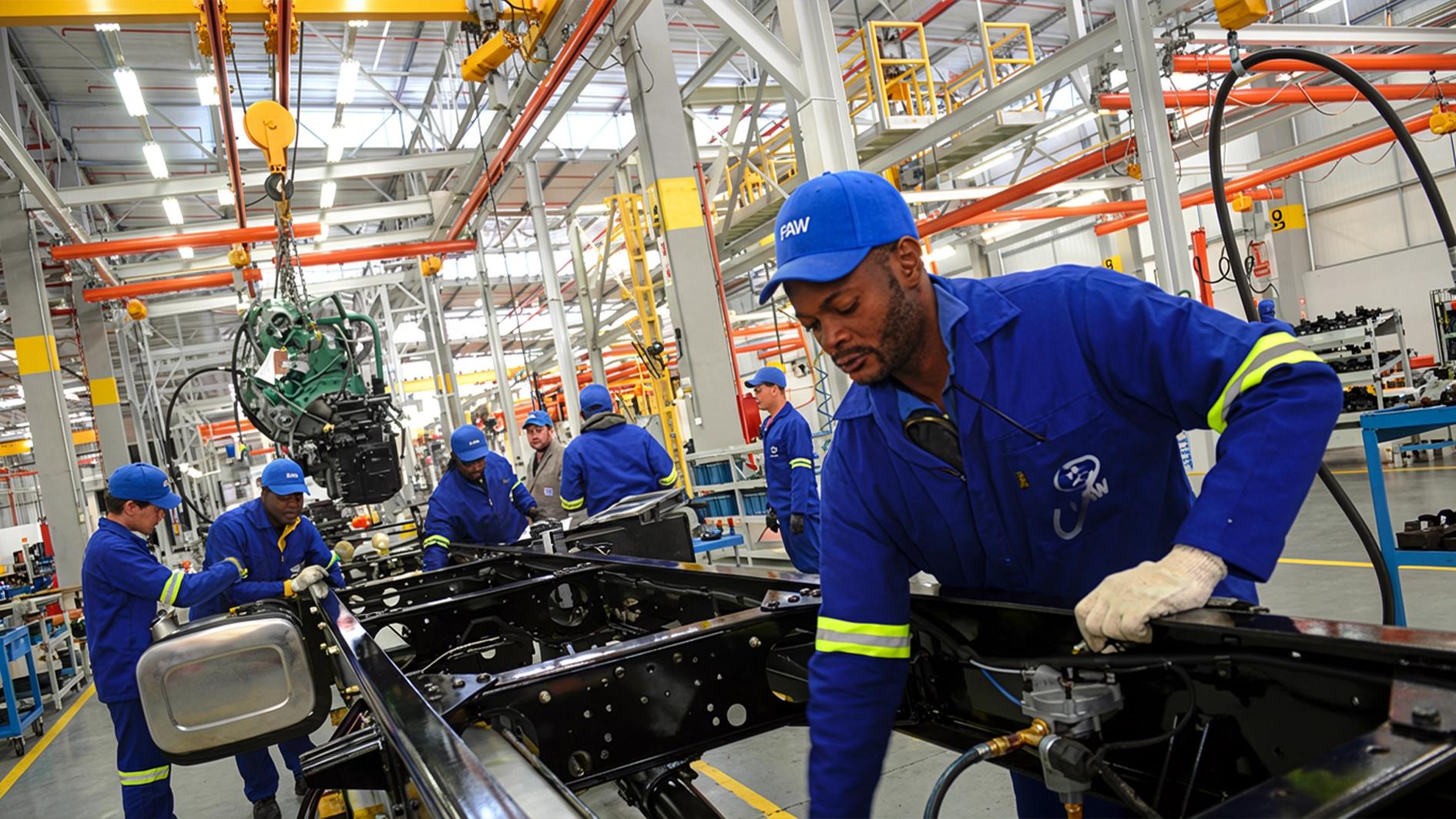
With inventory piling up to nearly two trillion naira and manufacturing activity now in contraction for three consecutive months, industry leaders say Nigeria's industrial sector is buckling under a combination of energy costs, high interest rates, and persistent forex pressure, even as the broader economy shows signs of stabilizing.
Nigeria's manufacturing sector is reportedly sinking under the weight of persistent production costs, with industry leaders warning that a sustained recovery remains out of reach unless structural pressures are addressed. Despite improving foreign exchange liquidity and stronger external reserves nationally, manufacturers say the gains have not translated into lower operating costs, forcing many firms to sell products below production cost simply to clear mounting inventory and keep factories running.
What Happened
According to Nairametrics data, manufacturing activity expanded strongly between September 2025 and March 2026 before slipping into contraction in April, where it has remained for three consecutive months. Economist Dr. Almarouf Yusuf of the University of Abuja noted that improvements in foreign exchange liquidity and investor confidence have yet to translate into lower operating costs for businesses, pointing to high diesel prices, transport costs, lending rates and multiple regulatory charges as factors continuing to constrain industrial production.
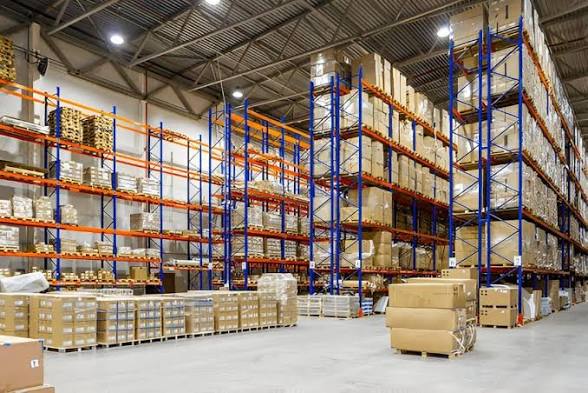
The pressure has become severe enough that manufacturers are now taking drastic pricing measures. The Director General of the Manufacturers Association of Nigeria, Segun Ajayi-Kadir, said manufacturers in Nigeria are increasingly selling products below production cost in a desperate bid to clear nearly N2 trillion worth of unsold inventory, underscoring the severe cost pressures and weak consumer demand confronting the country's industrial sector. He explained that while manufacturers have recorded modest improvements in sales volumes, the gains are largely driven by aggressive price cuts and thinner profit margins rather than any meaningful recovery in consumer purchasing power. In his own words, Ajayi-Kadir said manufacturers "have continued to sell more, not because demand has improved, but because they have taken a hit by lowering prices in order to sell more."
Financing costs remain among the most cited obstacles. Ajayi-Kadir stressed that financing remains one of the biggest challenges to industrial growth, noting that with the monetary policy rate hovering around 26 percent, commercial banks continue to lend to manufacturers at rates that make long term investment difficult to justify. Separately, MAN's Ikeja branch chairman Onafowokan said manufacturers continue to borrow from commercial banks at rates ranging from 24 to 32 percent, compared with borrowing costs of below six percent available to many foreign competitors in international markets.
Energy costs have compounded the strain further. Manufacturers have described facing a dual threat of soaring production costs and rapidly accumulating unsold inventories, warning that this jeopardizes the sector's target of achieving a 3.1 percent real growth rate in 2026. Following the closure of the Strait of Hormuz and attacks on energy infrastructure earlier in the year, depot prices of Automotive Gas Oil, or diesel, surged by 65 percent from N970 before the conflict to N1,600, a sharp increase that raised operating costs for factories dependent on diesel powered generators.
At the state level, similar frustrations have surfaced. During the Manufacturers Association of Nigeria's Ogun State branch annual general meeting on July 31, outgoing chairman George Onafowokan urged the state government to harmonise multiple taxes and regulatory charges, warning that the current business environment was increasing production costs and discouraging investment, citing exchange rate volatility, inflation, rising energy costs, and high lending rates among the sector's chief concerns.
Why It Matters
For everyday Nigerian consumers, this dynamic carries a paradoxical short term benefit and a longer term risk. In the near term, aggressive price cuts by manufacturers desperate to clear inventory could mean lower shelf prices on certain goods. But the underlying cause, manufacturers explained that the development underscored the severe cost pressures and weak consumer demand confronting the country's industrial sector, meaning the discounts reflect distress rather than genuine improvements in affordability or supply chain efficiency.
The stakes extend well beyond pricing. If manufacturers continue absorbing losses simply to maintain cash flow, the sector risks factory closures, job losses, and reduced capacity utilization over time, undermining Nigeria's broader industrialization ambitions. The Centre for the Promotion of Private Enterprise has argued that the reduction in credit access presently being experienced in the sector would further limit capacity utilization, stall technological upgrades and hinder job creation across Nigerian industry.
Industry Context
Nigeria's manufacturing struggles are occurring against a genuinely mixed macroeconomic backdrop. According to the National Bureau of Statistics, Nigeria's manufacturing sector contributed 9.57 percent to the country's real Gross Domestic Product in the first quarter of 2026, an improvement from the 7.40 percent posted in the fourth quarter of 2025, suggesting the sector's headline contribution has actually strengthened even as operators describe worsening ground level conditions.
That contradiction extends to corporate earnings. An analysis of 19 listed companies' first quarter financial statements showed that the combined cost to revenue ratio declined to 46.68 percent in Q1 2026 from 52.50 percent in Q1 2025, indicating that firms spent less of every naira earned on production despite the difficult operating environment. Yet that improvement has not been uniform. Champion Breweries saw production pressure rise sharply, with its cost to revenue ratio increasing to 57.27 percent from 41.67 percent, illustrating how individual firms are experiencing sharply divergent outcomes depending on scale, pricing power, and product mix.
Larger, more established firms have generally weathered the pressure better than smaller operators. Nestlé Nigeria recorded one of the highest production costs among FMCG firms, with cost of sales rising by N18.91 billion, or almost 11 percent, to N194.07 billion in Q1, from N175.16 billion the year before, yet the company was able to absorb the higher costs through stronger sales and improved efficiency, resulting in a 44 percent increase in pre-tax profit to N73.8 billion from N51.2 billion a year earlier.
Manufacturers have also linked the crisis to structural foreign exchange dynamics. MAN has repeatedly warned that exchange rate liberalisation has generated enormous forex losses and increased production costs running into trillions of naira, especially for firms dependent on imported machinery, raw materials and industrial inputs. In one notable estimate, reforms aimed at stabilising the macro-economy and restoring investor confidence were said to have resulted in unforeseen increases in production costs, with energy costs alone reportedly pushed to N1.34 trillion across the industrial sector.
Policymakers appear to be responding, at least partially. Nigeria's trade and commerce sector is set for a major policy shift as the Federal Government's 2026 fiscal policy and tariff reforms seek to reduce, and in some cases eliminate, import duties on selected categories of goods and production inputs, a move designed to strike a balance between affordability and protecting local industries from import dependence.
What Flipbz Thinks
Flipbz sees Nigeria's manufacturing crisis as a case study in how macroeconomic stabilization at the national level does not automatically translate into relief at the factory floor. The sector's GDP contribution rising even as PMI readings show contraction suggests a bifurcated industry, where a handful of large, well capitalized firms with pricing power and operational efficiency are managing to grow, while smaller manufacturers absorb losses simply to survive. The decision by many firms to sell below cost rather than halt production entirely signals genuine desperation, prioritizing short term cash flow and market presence over profitability. Whether this represents a temporary trough before recovery, or a structural repricing of what Nigerian manufacturing can sustainably charge in a high cost, high interest rate environment, will likely determine which companies remain standing by the end of 2026.
What Consumers & Investors Should Watch
Consumers may see continued short term price discounts on certain manufactured goods as companies work to clear excess inventory, though this should not be mistaken for a genuine cost of living improvement. Investors and industry watchers should track upcoming PMI readings closely, given the sector's three consecutive months of contraction, alongside how quickly the government's proposed 2026 fiscal policy and tariff reforms move from announcement to implementation, since reduced import duties on production inputs could offer meaningful relief if enacted effectively.
The Bottom Line

Nigeria's manufacturers are sending a clear signal that headline economic stability has not yet reached the factory floor. Until financing costs ease, energy reliability improves, and regulatory friction is reduced, the sector's ability to convert modest sales volume gains into genuine profitability, rather than distressed, below-cost survival, will remain the central question shaping Nigeria's industrial trajectory through the rest of 2026.
Please register to comment.
With these components in place, your business...
SolidBase Builders Limited is a professionall...
PrimeStone Construction Nigeria Ltd is a well...
CrestRock Engineering Services Ltd is a scala...
AGRO COMPANY
Discover promising partnership opportunities in various industries.
Pitch Your Startup | Find Partners




.jpeg)
.jpeg)



Comments