
Written By: Flipbz.org
Nigeria's telecommunications market is in a period of consolidation and recovery. Following the disruptive National Identification Number (NIN) SIM linkage exercise that wiped out tens of millions of lines, the sector has rebounded strongly, while a landmark tariff increase has reshaped how operators price data and voice services. At the same time, two operators, MTN and Airtel, have tightened their grip on the market, leaving smaller players fighting for relevance.
The Flipbz Mobile Network Brands in Nigeria (2026) Market Report provides an independent analysis of Nigeria's telecom industry using publicly available data from the Nigerian Communications Commission (NCC), the Federal Competition and Consumer Protection Commission (FCCPC), GSMA and other credible industry sources, combined with Flipbz's own market analysis. This report does not rank or promote individual brands but examines the trends shaping subscriber behaviour, pricing and network competition.
Nigeria's Telecom Market Continues to Grow Despite Disruption
Nigeria remains Africa's largest mobile market by subscriber base. As of May 2026, Nigeria's active mobile subscriptions climbed to 189.68 million, up from 188.01 million in April, with teledensity rising to 87.50 per cent in May, from 86.73 per cent in April.
Data, not voice, is now driving growth. Broadband subscriptions rose to 121.64 million in May from 120.68 million in April and 117.71 million in March, lifting reach to 56.11 per cent, while data consumption also set a new record, with Nigerians using 1.50 million terabytes in May. This growth is being driven by video streaming, fintech platforms, cloud computing and artificial intelligence applications. On the technology front, fourth generation (4G) technology continues to power most of the country's mobile network, accounting for 54.30 per cent of subscriptions, while 5G adoption reached 4.49 per cent, with 2G at 36.12 per cent and 3G at 5.10 per cent.
Market Structure: Two Giants, Two Strugglers
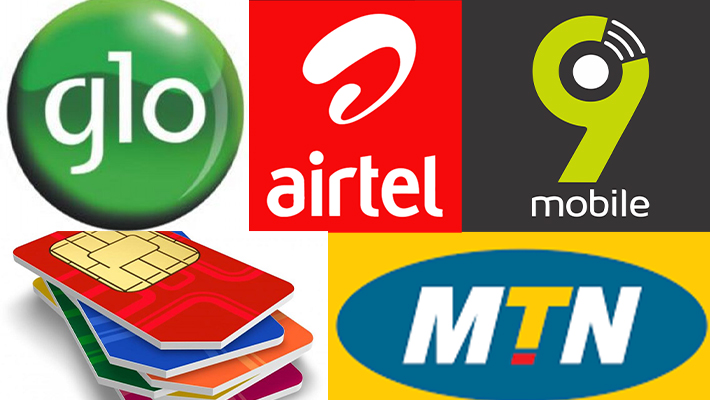
Nigeria's mobile market has become increasingly concentrated around its top two operators. As of May 2026, MTN Nigeria remained firmly in control of the market, closing the month with 96.9 million active lines, accounting for 51.19 per cent of the country's mobile subscriber base. Airtel Nigeria retained its position as the second largest operator with 65.4 million active subscriptions, representing 34.55 per cent market share. Together, MTN and Airtel control close to 86 per cent of all active lines.
Further down the table, Globacom maintained third place with 23.4 million active subscriptions, giving it a 12.39 per cent share of the market, while T2, formerly known as 9mobile, remained a distant fourth with 3.5 million subscriptions, having stayed within the 3 million subscription band since September 2025. Notably, the telco, which once had over 22 million subscriptions, has continued to struggle in winning more customers despite an infrastructure sharing deal signed with MTN in July last year.
The Regulator's Role in Shaping the Market
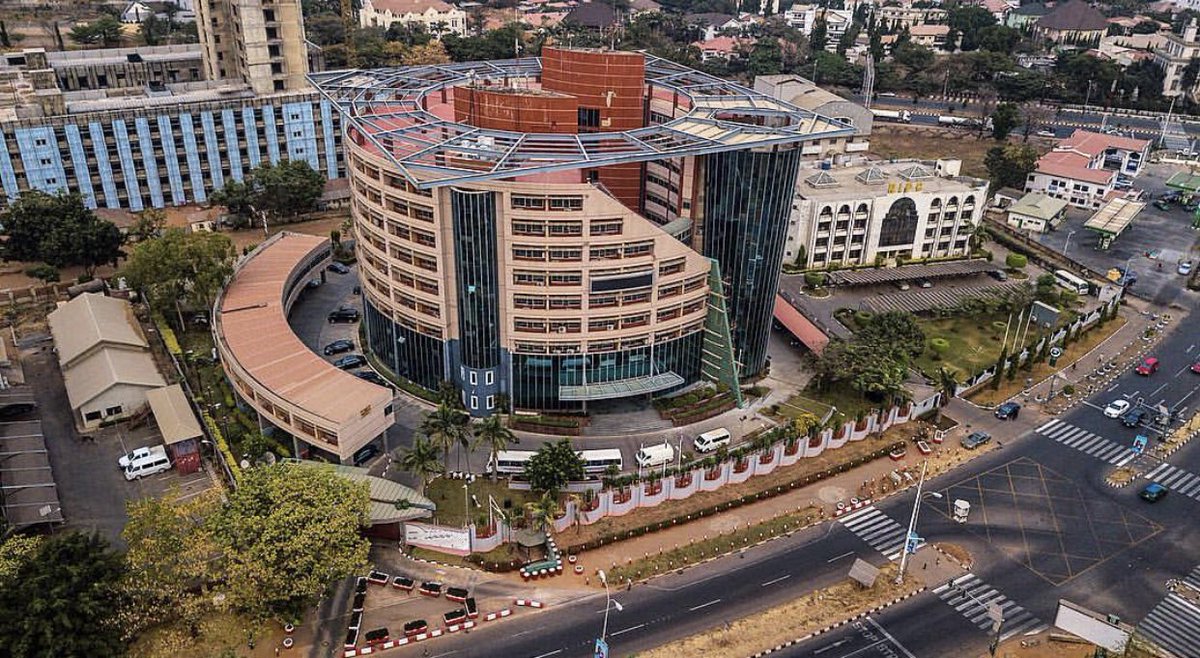
The Nigerian Communications Commission (NCC) sits at the centre of the industry's evolution. As the sector's regulator, the NCC is the independent federal regulator that issues operating licences, sets quality of service (QoS) standards, approves tariff changes, and handles consumer complaints.
In one of its most consequential decisions in over a decade, the NCC approved a 50% tariff increase for telecoms companies, the first such increase in the sector in almost eleven years. The Commission explained that the adjustment, capped at a maximum of 50% of current tariffs, though lower than the over 100% requested by some network operators, was arrived at taking into account ongoing industry reforms that will positively influence sustainability. The GSMA welcomed the move, noting that the decision is set to unlock substantial investment in telecommunications infrastructure, increasing 4G coverage to 94% of the population and enabling mobile internet access for an additional 9 million people.
What Nigerian Consumers Consider Before Choosing a Network
Network Coverage and Reliability
Service disruption has made reliability a top concern. Following the enforcement of the NIN SIM policy, the sector's recovery trend has followed disruptions caused by the NIN SIM linkage exercise, which led to the deactivation of millions of SIM cards, with operators now working to reconnect previously barred lines, expand network reach and deepen subscriber penetration.
Data Pricing and Affordability
Since the 2025 tariff adjustment, cost has become central to consumer decision making. Data from operator financial disclosures shows the pricing shift has been significant. Airtel Nigeria's H1 2025 financial report showed voice revenue grew by 34.7% in constant currency, driven by 25.7% growth in voice average revenue per user, while data revenue grew by 62.4%, fuelled by data ARPU growth of 46.6%.
Service Quality and Willingness to Switch
Dissatisfaction with service quality is measurable through Nigeria's Mobile Number Portability (MNP) scheme, which was launched by the NCC in 2013, making Nigeria the 64th nation to adopt the scheme, allowing subscribers to port from one network to another in search of better service quality while retaining their original number. Porting data consistently shows consumers moving toward the bigger networks. In one recent month, MTN alone recorded 1,051 subscribers that ported into its network, out of the total 1,716 subscribers that ported into different networks in search of better service quality. Smaller operators have borne the brunt of this. T2mobile saw a total of 29,974 subscribers leave its network, out of the 41,245 subscribers that switched service providers in 2025, recording the highest exit rate at 72.7%.
Identity Verification and Trust
Regulatory trust has also become a factor, tied to the NIN SIM linkage policy. Authorities have defended the exercise on security grounds, stating that unregistered and unlinked SIMs have been identified as tools frequently used in the perpetration of criminal activities such as kidnapping, terrorism, and financial fraud, making the NIN SIM linkage an essential step in safeguarding the nation.
The Rise of Informed Nigerian Consumers
Today's Nigerian mobile subscribers are more deliberate in how they choose and switch networks. Before selecting or changing a network, many now search online for:
Best network for data in Nigeria
MTN vs Airtel data plans
Cheapest data plan in Nigeria
Which network has the best coverage in my state
How to port to another network in Nigeria
Is 5G available in my area
This growing research culture has increased pressure on operators to be transparent about pricing, coverage maps and service upgrades rather than relying solely on advertising.
Challenges Facing the Nigerian Telecom Industry
The industry's biggest disruption in recent years was the NIN SIM enforcement exercise. According to NCC's own subscriber data, Nigeria's telecommunications sector lost 59.7 million active voice lines in 2024 as operators fully enforced the NIN SIM linkage policy, with the country's active subscriber base falling from 224.7 million in 2023 to 164.9 million in December 2024, representing a 26.6 per cent year on year decline.
Market concentration is another growing concern. Industry watchers note that the widening gap between the top two operators and the rest of the field is prompting renewed concerns around competitive balance, pricing influence, and the future shape of the nation's telecom ecosystem.
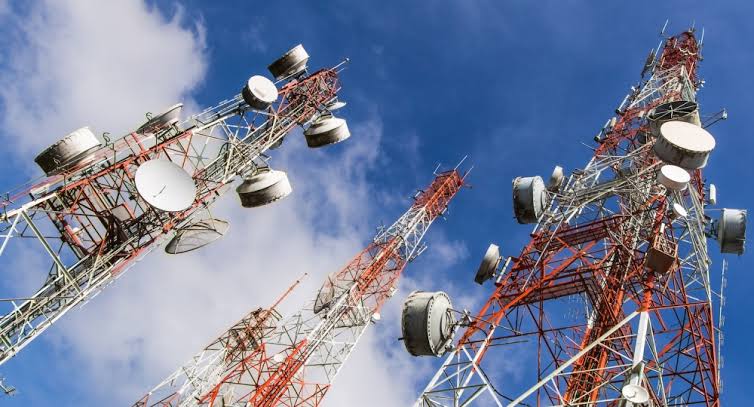
On infrastructure, operators are under pressure to expand capacity quickly. The NCC disclosed that operators have committed to upgrading 12,000 telecommunications sites in 2026, after completing just over 3,000 site upgrades in 2025, as part of a nationwide effort to enhance network coverage and capacity, with upgrades involving deploying additional spectrum on existing 4G sites while converting older 2G and 3G infrastructure to more advanced 4G and 5G technologies.
Market Outlook for 2026 and Beyond
Nigeria's mobile network industry is expected to remain a two horse race between MTN and Airtel in the near term, with smaller operators under pressure to differentiate on price, customer service or niche offerings to survive. Continued investment in 5G and 4G expansion, driven partly by the 2025 tariff reform, is expected to push broadband penetration and data consumption even higher, reinforcing data, not voice, as the primary battleground for subscriber loyalty.
Conclusion
Nigeria's mobile network market continues to evolve under the weight of regulatory reform, infrastructure investment and shifting consumer expectations. While MTN and Airtel dominate subscriber numbers, the real story lies in how price sensitivity, service quality and government identity policies are reshaping loyalty and switching behaviour. For operators, sustained growth will depend on balancing profitability from the 2025 tariff hike with tangible improvements in network quality that justify the higher cost to consumers.
About this Report
The Flipbz Mobile Network Brands in Nigeria (2026) Market Report is an independent editorial publication prepared using publicly available information from the Nigerian Communications Commission (NCC), FCCPC, GSMA and other credible industry sources, together with independent market analysis by Flipbz. It is intended to provide market insight and does not constitute investment or purchasing advice.
Please register to comment.
With these components in place, your business...
SolidBase Builders Limited is a professionall...
PrimeStone Construction Nigeria Ltd is a well...
CrestRock Engineering Services Ltd is a scala...
Here is an opportunity to buy an established...
Discover promising partnership opportunities in various industries.
Pitch Your Startup | Find Partners

.jpg)

.jpg)

Comments