
.jpg "African Exporters Seek Relief From Rising Shipping Costs")
Written By: Flipbz.org
Businesses Across The Continent Warn Freight Pressures Continue To Affect Regional Trade Competitiveness
African exporters and importers are pressing shipping lines and regional governments for relief as a fresh wave of peak season surcharges and geopolitical disruptions pushes freight costs sharply higher across major trade routes into and out of the continent, threatening to reignite inflationary pressure on already strained supply chains.
The latest round of increases has hit West and Southern Africa almost simultaneously. Global shipping and logistics company CMA CGM announced a new peak season surcharge of $500 per twenty foot equivalent unit on cargo shipments from South East Asia to West Africa, effective June 15, 2026. Shippers from Nigeria and other West African countries importing goods from South East Asia are paying higher freight costs as shipping lines increase container freight rates, with Drewry projecting continued upward pressure on rates in the coming weeks as peak season demand increases. Southern Africa has faced a parallel squeeze, with Maersk and CMA CGM introducing peak season surcharges on cargo moving from the Far East to Southern Africa, with Maersk implementing fees of 250 dollars per 20 foot and 500 dollars per 40 foot container from July 1, while CMA CGM introduced charges ranging between 400 and 550 dollars per TEU from June 21.
Geopolitical instability has compounded the pressure from routine seasonal surcharges. East African importers and exporters trading with Gulf countries have been bracing for sharply higher shipping costs as global carriers imposed emergency surcharges and rerouted vessels, with CMA CGM and Hapag Lloyd introducing war risk surcharges on cargo moving to and from Gulf states, citing heightened security risks. The disruption has hit Kenya's flower and horticulture sector particularly hard, since the sector's reliance on the speed and connectivity of air freight, a channel subject to added surcharges, amplifies the economic stakes, with any sustained disruption to the Nairobi to Dubai to Gulf corridor forcing exporters to seek alternative routing, adding cost and lead time to an already compressed supply chain. Separately, 5shipments from Gulf countries to Africa have carried higher surcharges of 2,000 dollars for a 20 foot container, 3,000 dollars for a 40 foot container and 4,000 dollars for refrigerated units.
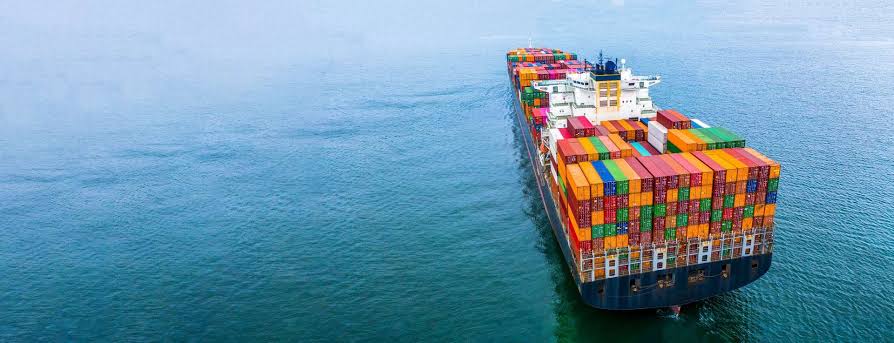
The scale of the swings this year illustrates just how volatile the market has become. Container shipping costs surged in July 2026 to between 7,000 and 13,000 dollars per FEU due to the Red Sea crisis, early peak season demand and carrier blank sailings, up sharply from June booking rates that had hovered around 5,000 dollars per FEU. Rates specifically tied to African trade lanes have spiked in tandem, with rates for the MSC Algeria route to North Africa hitting 9,500 to 9,900 dollars per FEU. Even before this latest surge, Africa rerouting had already slashed capacity 13 percent month over month and added 10 to 14 days to transit times, spurring blank sailings.
Longer term data shows this is not an isolated spike but part of a recurring pattern that has battered African trade for years. 5In July 2024, UNCTAD reported that freight rates had risen by more than 100 percent on certain shipping routes, with the average freight rate on the Shanghai to West Africa route climbing 137 percent since January to reach 5,563 dollars, its highest level since August 2022. Analysts warn the consequences extend well beyond shipping invoices, since 5importers typically pass these additional logistics costs on to consumers through higher retail prices, and if pressure on global supply chains persists, some African economies could face rising inflation.
Structural bottlenecks unrelated to any single conflict or surcharge continue to compound the problem. From broader African origins, such as Lagos in Nigeria or Mombasa in Kenya, shippers can expect longer averages of 25 to 50 days because of additional feeder vessel connections compared with more direct global routes. Analysts also point to Africa's growing but uneven dependence on outside carriers, noting that Chinese investments in African terminals are embedded in integrated corridor strategies linking ports to key rail and road arteries, a dynamic that increases interdependence between decisions made in Asia or Europe and the capacity actually available to African shippers.
Reaction from freight forwarders and logistics analysts has focused on how quickly conditions can shift rather than on any single lasting equilibrium. One rate tracking service noted that a 40 foot box priced at USD 2,700 on 21 May 2026 is a reminder to African importers that the cost of bringing a container from China can tighten within weeks. Industry guidance increasingly urges shippers to build flexibility into contracts rather than chase the lowest headline rate, with one freight forwarder advising exporters to compare offers across multiple carriers and destination ports as conditions change, since, in the words of one pan African shipping executive, "understanding the route, the risk and the reliability of the service" now matters as much as price alone.
Why this matters extends well beyond individual shipment invoices. Freight costs feed directly into the price of imported inputs, from machinery to packaging materials, and into the competitiveness of African exports such as horticulture, textiles and processed goods on global markets. When surcharges and rerouting add days or weeks to transit times, perishable exporters in particular absorb losses that are difficult to pass on to buyers, while manufacturers reliant on imported components face squeezed margins or must raise consumer prices, risking the kind of inflationary spillover regional economies have already experienced in prior shipping crises.
Attention now turns to whether the current peak season surcharges ease once demand normalizes, or whether they harden into a lasting cost floor the way earlier disruptions have. Much will depend on developments far from African shores, including how quickly Red Sea and Gulf shipping routes stabilize and whether carriers restore full capacity to African trade lanes once immediate security concerns pass. For now, exporters across West, East and Southern Africa are left absorbing higher costs with little certainty about when relief might arrive, even as some logistics providers argue that longer term infrastructure investment and route diversification remain the only durable answer to a freight market that has proven repeatedly vulnerable to shocks originating well outside the continent.

Please register to comment.
With these components in place, your business...
SolidBase Builders Limited is a professionall...
PrimeStone Construction Nigeria Ltd is a well...
CrestRock Engineering Services Ltd is a scala...
Open the Listing model file located in the ap...
Discover promising partnership opportunities in various industries.
Pitch Your Startup | Find Partners

.jpg)

.jpg)
.jpeg)




Comments