
Written By: Flipbz.org
Instant noodles have become one of Nigeria's most consumed packaged foods, cutting across income groups, age brackets and regions. Yet the industry sits at an unusual crossroads: one brand controls the overwhelming majority of the market, importation of finished noodles is officially banned, and rising wheat and currency costs are quietly reshaping what a "cheap, quick meal" actually costs Nigerian households.
The Flipbz Instant Noodles Brands in Nigeria (2026) Market Report draws on publicly available data from NAFDAC, USDA's Foreign Agricultural Service, credit rating agencies and industry research firms, combined with Flipbz's own market analysis. The report does not rank or promote individual brands but examines the forces shaping pricing, safety perception and consumer loyalty in this category.
A Market Built Almost Entirely on One Brand
Nigeria's instant noodles market is unusual globally because of how concentrated it is. Industry data shows Dufil Prima Foods Limited, makers of Indomie Noodles, has been able to control over 60 per cent of the noodles market share in Nigeria because of its strong customer base, extensive distribution network and promotional activities. Other estimates from recent years have placed that figure even higher, with the maker of Indomie holding over 70% of the market share, outcompeting local and international rivals alike.
That dominance did not happen overnight. Since its entry in 1988, the brand has grown from a modest imported product to commanding over 70% of Nigeria's instant noodle market, with annual sales exceeding 8 billion packets. Nigeria has also become Indomie's single largest market outside Indonesia, generating ₦810 billion in Nigerian revenue in 2024 alone.
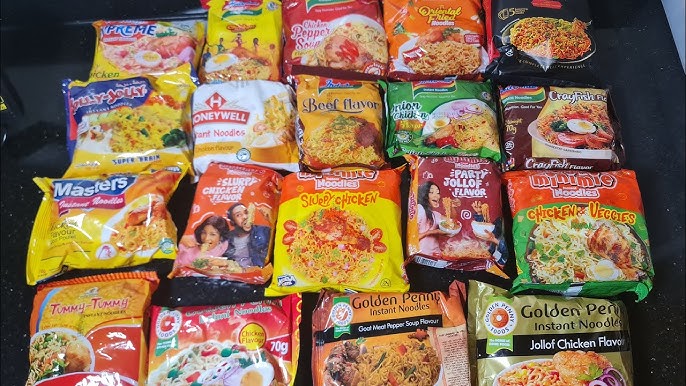
Behind Indomie sits a cluster of smaller but established players. Market researchers list Flour Mills of Nigeria's Golden Penny Noodles and Honeywell Flour Mills as the next tier of competitors, alongside Chikki Foods, Dangote Noodles, Supreme Noodles and Daily Need Industries competing for the remaining share of the market. Consumer-scanning data from Sagaci Research found that a total of 64 instant noodles products spanning 23 different brands are currently tracked in the Nigerian market, with the sachet format in a 70g pack size being the most frequently purchased.
Why One Brand Built Such a Deep Lead
Analysts point to distribution reach as the defining advantage. GCR Ratings noted that Dufil's supply chain stability and ongoing product development have helped it sustain the brand's appeal to the young demographics in Nigeria and deepen market penetration. The company's own revenue structure reflects how central noodles are to its business, with noodles accounting for more than 74 per cent of revenue, while other business lines, including flour, pasta, snacks, packaging and palm oil, contribute a combined 26 per cent.
The brand's grip on the market has also changed language itself. In much of Nigeria, "Indomie" has become the generic word for instant noodles, similar to how a single brand name can come to represent an entire product category once it achieves sufficient cultural penetration.
The Import Ban Nigerians Rarely Hear About
One of the least publicised but most important facts shaping this market is that finished instant noodles cannot legally be imported into Nigeria. NAFDAC has confirmed that the risk of foreign noodle products entering Nigeria is low due to the Federal Government's ban on noodle importation, even while cautioning that unauthorised entry through online purchases or personal travel cannot be completely ruled out. In effect, every legally sold pack of instant noodles in Nigeria, regardless of brand, is manufactured domestically.
This protectionist policy has shaped the competitive landscape by making local manufacturing capacity, rather than global brand recognition, the real barrier to entry.
What Nigerian Consumers Consider Before Buying Noodles
Price and Pack Size
Affordability remains the single biggest driver of purchase decisions. Data from a 2026 industry outlook found that Low Priced noodles form the largest revenue segment in the Nigerian market, generating $110.64 million in 2024 and continuing to grow faster than premium categories. Pack size matters just as much as price per unit, since many households buy based on what fits a single meal budget rather than bulk value.
Brand Trust and Familiarity
Because one brand has dominated for decades, brand familiarity plays an outsized role in Nigerian noodle purchases. Consumers who grew up with a particular brand tend to stay loyal to it, and challengers often compete on flavour variety or slightly lower pricing rather than direct brand-for-brand substitution.
Safety and Labelling
Food safety scares travel fast in Nigeria's noodle market precisely because the category is eaten by children so frequently. In December 2025, NAFDAC issued a public alert after France's food safety authority flagged an Indomie-branded product for failing to declare the presence of milk and eggs on its labelling, a recall that specifically concerned a Vegetable Flavour variant. Both NAFDAC and the manufacturer moved quickly to reassure Nigerian consumers, with Indomie Nigeria stating that it does not produce or market any noodle variant called Vegetable Flavour, and no such product exists within Indomie Nigeria's portfolio. The episode illustrated how sensitive Nigerian consumers have become to allergen labelling and cross-border safety alerts, even when the product in question was never sold locally.
The Hidden Cost Driver: Wheat and the Naira
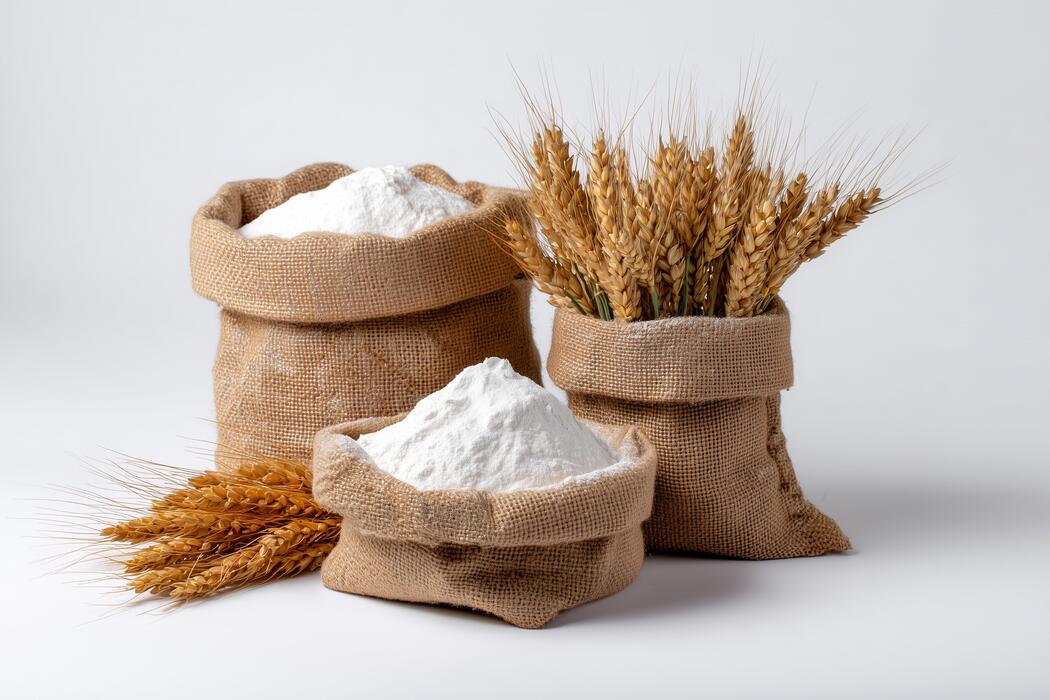
Few Nigerian consumers connect the price of a sachet of noodles to global wheat markets, but the two are tightly linked. Wheat flour is one of the major materials used in the production of bread, pasta, noodles and other Nigerian staples, and Nigeria imports the vast majority of the wheat it uses since domestically grown wheat is generally not suitable for manufacturing bread, pasta, and noodles due to its low protein content.
This import dependence means currency movements hit noodle pricing directly. Economists have long noted that the devaluation of the naira is partially responsible for increases in the price of wheat-based staples, since wheat constitutes a large share of production costs. More recent trade data offers a mixed picture heading into 2026: flour milling contacts noted that production costs, which were driven by higher priced wheat imports, energy, and fuel costs in 2023 to 2024, have subsided, thereby making the milling business more profitable, even as broader food inflation pressures, including rising transport and fertiliser costs, continue to squeeze household food budgets in 2026.
The Rise of Informed Noodle Buyers
Nigerian consumers, particularly younger, urban buyers, are increasingly researching before they buy. Before purchasing, many now search online for:
Best instant noodles brand in Nigeria
Indomie price in Nigeria
Noodles for kids without allergens
Cheapest noodles brands in Nigeria
Is Indomie noodles safe
Golden Penny noodles vs Indomie
This growing research culture, combined with recall scares and social media chatter, means manufacturers can no longer rely purely on shelf presence and advertising. Clear labelling and fast, transparent communication during safety alerts have become almost as important as taste or price.
Challenges Facing the Industry
The instant noodles category faces a mix of structural and economic pressures. Extreme market concentration around a single dominant player limits genuine price competition, since smaller manufacturers struggle to match Dufil's distribution scale even when undercutting on price. At the same time, currency volatility tied to imported wheat continues to be a persistent risk, one that manufacturers historically pass down to consumers through periodic price adjustments.
Regulatory vigilance is also intensifying. NAFDAC has stepped up its monitoring of both local production standards and international recall alerts, having flagged over 20 products in 2025 alone, including contaminated beverages and mislabelled snacks, as part of a broader food safety crackdown that inevitably touches high-visibility categories like noodles.
Market Outlook for 2026 and Beyond
Growth projections for Nigeria's noodles market remain strong despite these pressures. One industry forecast places the market at USD 439 million in 2025, expected to reach USD 618 million by 2032, growing at a CAGR of 5.0%, driven largely by rising urban population and the increasing demand for quick meal solutions among busy consumers. A separate analysis projects an even steeper climb, from USD 663.8 million in 2026 to USD 1,021.3 million by 2031, underscoring one of the stronger growth profiles within staple packaged foods.
Much of this growth is expected to come from continued urbanisation, a young and expanding population, and the steady institutional demand created by the rise of quick-service restaurants and small food kiosks across Nigerian cities, which increasingly use noodles as complementary menu ingredients rather than a standalone product.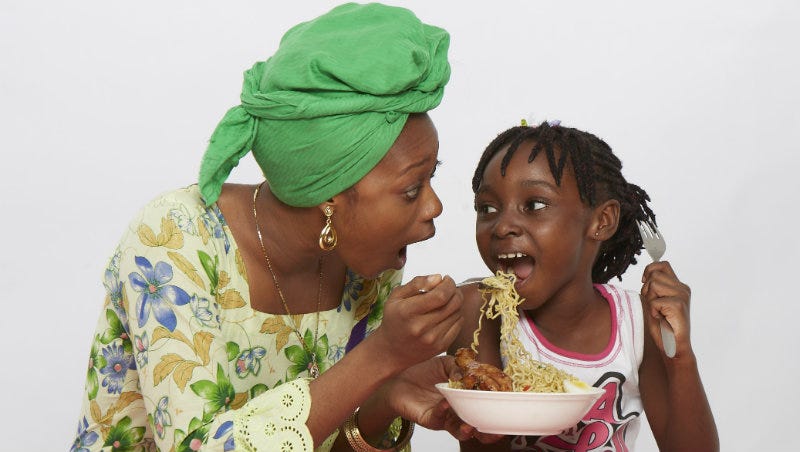
Conclusion
Nigeria's instant noodles market tells a story that is unusual even by the standards of Africa's most competitive consumer goods sectors: extreme brand dominance, a legal import ban that quietly protects local manufacturers, and a growing consumer base that is more safety conscious and price sensitive than ever before. For the dominant brand, the challenge is less about winning new customers and more about maintaining trust through fast, transparent responses to safety concerns. For smaller manufacturers, survival depends on carving out loyal niches, whether through pricing, flavour innovation or targeted regional distribution, rather than attempting to unseat a decades old market leader head on.
About this Report
The Flipbz Instant Noodles Brands in Nigeria (2026) Market Report is an independent editorial publication prepared using publicly available information from NAFDAC, USDA Foreign Agricultural Service, credit rating agencies and industry research firms, together with independent market analysis by Flipbz. It is intended to provide market insight and does not constitute health or purchasing advice.

Please register to comment.
With these components in place, your business...
SolidBase Builders Limited is a professionall...
PrimeStone Construction Nigeria Ltd is a well...
CrestRock Engineering Services Ltd is a scala...
The smm panel is a provider to top panels lik...
Discover promising partnership opportunities in various industries.
Pitch Your Startup | Find Partners


.jpg)

.jpg)

Comments