

Written By: Flipbz.org
Nigeria's biggest banks are locked in an escalating battle for everyday customers, with traditional lenders overhauling digital apps and loyalty perks even as fintech challengers and microfinance banks continue chipping away at retail deposits once considered untouchable.
The competitive pressure is showing up most clearly in customer numbers and product design. Access Bank has grown into Nigeria's largest lender by both total assets and customer base, now serving more than 60 million customers across more than 20 countries following its 2019 merger with Diamond Bank. That scale has not gone unanswered by rivals. Fidelity Bank has transformed from mid tier to Tier 1 status with strong asset growth and a deliberate focus on MSMEs and retail customers, while GTBank, Zenith, UBA, First Bank and Stanbic IBTC round out a group of established Tier 1 institutions still competing head to head for the same pool of salary earners, small traders and diaspora clients.
Interest rates and fee structures have become one of the sharpest battlegrounds. Stanbic IBTC currently offers a competitive rate of 9.1 percent per annum on certain savings products, a figure traditional banks are increasingly forced to defend as digital challengers undercut them on cost. Kuda Bank disrupted the market by eliminating maintenance fees entirely and offering 25 free transfers monthly, while positioning itself as the digital only bank built around eliminating hidden charges. Moniepoint, meanwhile, evolved from a pure agency banking network into a comprehensive digital banking platform offering business accounts, working capital loans and expense management tools, quietly capturing much of the small and medium enterprise segment traditional banks once dominated by default.
The scale of that digital shift is difficult to overstate. With over 188 million registered mobile subscribers nationwide, the battle for customer loyalty is now fought largely within the user interface of banking apps rather than at the branch counter. Analysts tracking download trends and transaction volumes note that traditional financial institutions are increasingly clashing with agile fintech disruptors, with daily transaction volumes running into trillions of naira as these platforms become deeply woven into the country's economic fabric.
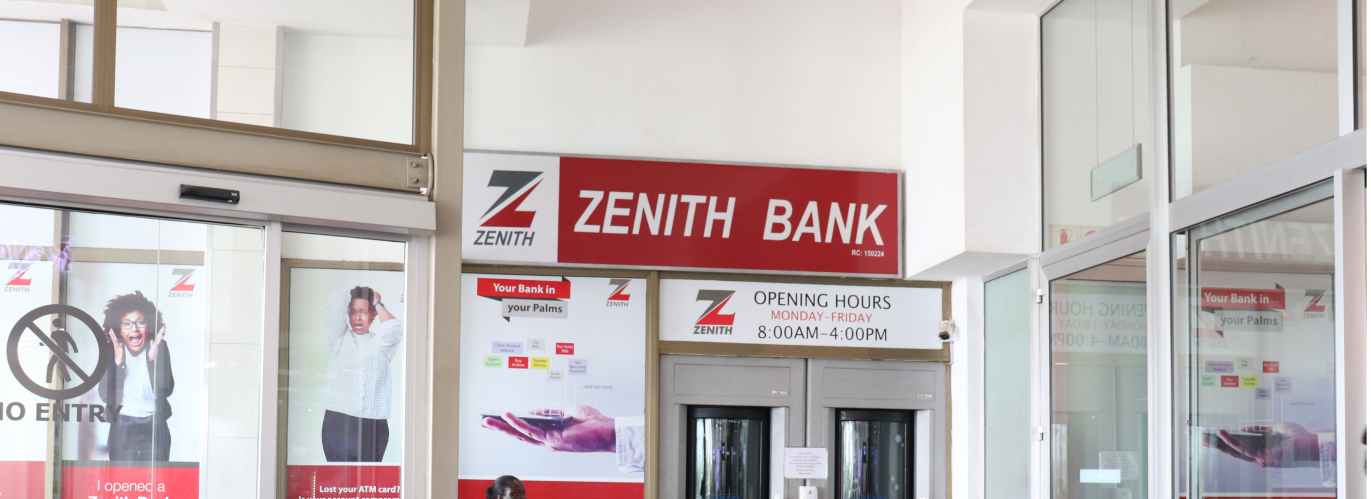
This competitive intensity did not emerge overnight. Nigeria has become one of Africa's leading fintech markets, and the rapid growth of financial technology companies has introduced more digital payment options, improved customer experience and increased competition in the banking sector, encouraging even more Nigerians to abandon queues at physical branches in favor of app based banking. That shift has been compounded by regulatory change, since the Central Bank of Nigeria's recapitalization exercise has pushed banks to strengthen their balance sheets while simultaneously investing heavily in the digital infrastructure needed to retain increasingly mobile customers.
Traditional lenders have responded not by retreating from digital competition but by trying to out build it. Access Bank's flagship application represents the modernization of a legacy institution, offering a sprawling ecosystem of services including foreign currency exchange following strategic acquisitions and heavy infrastructure investment. FirstBank recently underscored that same push toward service differentiation, winning dual recognition at the Euromoney Awards for Excellence 2026 as Nigeria's Best Bank for Large Corporates and Best Bank for Customer Experience, a result industry observers linked directly to continued competition among Nigerian financial institutions to strengthen capabilities and improve customer service standards.
Market reaction to this rivalry has shown up less in stock prices and more in shifting customer behavior and product design decisions. Banks are increasingly investing in technology, digital channels and business solutions, with customer experience and specialised services expected to remain key drivers of competitiveness as the sector evolves. That has translated into diaspora specific offerings from institutions like Access Bank and Fidelity, dedicated SME lending programs, and a wave of feature updates across mobile apps as each institution tries to close the convenience gap that once favored fintech upstarts alone.
Why this rivalry matters extends well beyond bragging rights among bank marketing teams. Nigeria's large, young population, over 60 percent of whom are under 25, is already online, with more than 160 million active internet subscriptions, meaning the institutions that win over this generation now stand to capture decades of future deposits, loans and transaction fees. Analysts note that banks able to establish integrated, data driven digital ecosystems that capture and deepen customer relationships at scale will likely emerge as the long term winners of this competitive phase, while institutions slow to adapt risk losing ground permanently to more agile competitors.
Attention now turns to whether traditional banks can close the convenience and cost gap fast enough before fintech platforms further erode their retail customer base. With digital first challengers continuing to offer lower fees, faster transactions and better savings options than many legacy institutions, and traditional banks countering with expanded product suites, stronger diaspora offerings and improved app experiences, the coming months are likely to determine whether Nigeria's retail banking landscape consolidates around a handful of digitally dominant players or remains split between traditional heavyweights and the fintech disruptors still gaining ground beneath them.

Please register to comment.
With these components in place, your business...
SolidBase Builders Limited is a professionall...
PrimeStone Construction Nigeria Ltd is a well...
CrestRock Engineering Services Ltd is a scala...
Open the Listing model file located in the ap...
Discover promising partnership opportunities in various industries.
Pitch Your Startup | Find Partners

.jpg)
.jpg)
.jpg)
.jpeg)




Comments