
.jpg "Oando’s Renewables Push Could Give It an Early Advantage in Nigeria’s Fast-Growing Clean-Energy Market")
Written By: Flipbz.org
Oando's continued push into renewable energy and distributed power solutions is drawing attention as businesses and households increasingly seek alternatives to unreliable grid electricity and expensive diesel generation.
Nigeria's largest indigenous energy company built its name on oil and gas, but Oando's most closely watched growth story in 2026 increasingly runs through solar panels, electric buses, and distributed power rather than crude barrels. As Nigerian households and businesses continue searching for alternatives to an unreliable grid and costly diesel generation, Oando's renewable energy subsidiary has moved from memoranda of understanding to construction timelines, giving the clean energy push a concreteness it lacked just a year ago.
What Happened
The centerpiece of Oando's clean energy ambitions is a large scale solar manufacturing and generation project developed with the Rural Electrification Agency. Oando Clean Energy and the Rural Electrification Agency signed a Memorandum of Understanding for a 1.2 gigawatt solar project aimed at providing electricity for millions of Nigerians, a project that would become Nigeria's largest solar power project when completed. The project sits within a much larger federal financing structure, forming part of the 950 million dollar Distributed Access through Renewable Energy Scale up program funded by the World Bank and the Japan International Cooperation Agency, which seeks to bring electricity to over 17 million Nigerians.
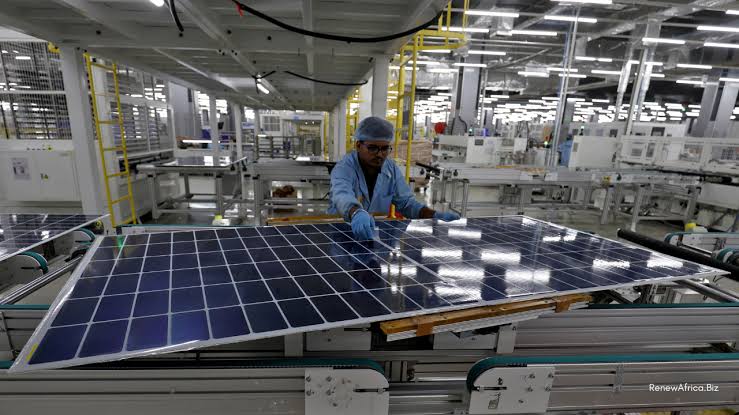
What distinguishes the project from other solar announcements is its manufacturing ambition rather than just generation capacity. Oando is building a solar modular assembly plant in Nigeria that will produce solar panels and recycle them into raw materials, a first of its kind recycling feature in Africa that underscores the company's commitment to a circular approach to clean energy. The rollout is being staged in phases, with the first 600 megawatts of production capacity confirmed to begin rollout in 2026, with subsequent phases scaling toward the full 1.2 gigawatt target. Company disclosures in its own financial reporting have confirmed tangible progress on the ground, noting that Oando has secured land for the project and completed the necessary financial modelling ahead of construction.
The solar push is not Oando Clean Energy's only initiative. The subsidiary has also partnered with FuelCell Energy to develop a 5 to 15 megawatt power plant intended to strengthen electricity access in Nigeria through low carbon renewable energy sources, utilizing fuel cell, electrolyzer, and carbon capture and sequestration technologies. Oando Clean Energy's chairman framed the collaboration within a broader strategic goal, describing it as part of the company's overarching strategy of building a clean energy ecosystem while supporting the federal government's vision of net zero emissions by 2060.
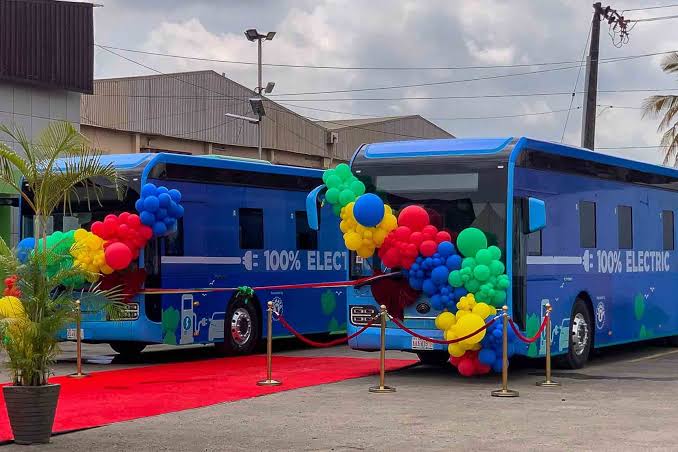
Oando's diversification into clean energy also extends to transportation. The company's electric mobility programme has moved from pilot to measurable operation, recording 53,941 electric vehicle rides in a single quarter and preventing over 42,000 kilograms of carbon emissions through its operational electric buses. That mobility push builds on an earlier partnership with the Lagos State Government to deploy electric buses across the city, positioning Oando alongside solar generation as a company betting on multiple fronts of Nigeria's energy transition simultaneously rather than a single flagship project.
Why It Matters
Oando's renewable diversification matters because it is unfolding alongside, not instead of, a core oil and gas business that itself is performing strongly. In its most recent half year results, the group reported a 20 percent increase in revenue to 2.1 trillion naira, driven by higher crude oil production, improved operational efficiency and cost optimisation, while profit after tax rose 8 percent to 68.6 billion naira and gross profit surged 331 percent to 101 billion naira. That underlying financial strength gives Oando the balance sheet capacity to fund a capital intensive clean energy build out without it becoming a distraction from the core business, a dynamic that matters for investors weighing whether the renewables push is a genuine growth avenue or simply a reputational side project.
The REA's own framing of the solar partnership underscores the national stakes involved. REA Managing Director Abubakar Abba Aliyu described the collaboration as a game changer, stating that it is not just about expanding electricity access but about positioning Nigeria as a renewable energy leader. That framing reflects how central local manufacturing capacity has become to Nigeria's energy transition thinking, since a domestically produced solar panel supply chain would reduce the import dependency that has historically made renewable deployment in Nigeria expensive and currency exposed.
Industry Context
Oando's move into renewables mirrors a broader pattern among Nigeria's indigenous energy companies, several of which are diversifying beyond upstream oil and gas as international majors continue divesting onshore assets. With this development, Oando has joined a list of oil companies expanding their energy portfolios to include cleaner energy solutions, alongside NNPCL, Seplat Energy, Aiteo Group, and TotalEnergies, all of which have committed to similar renewable expansion in varying forms. That parallel movement suggests the shift toward gas and renewables is becoming a structural feature of how Nigerian energy companies are positioning for the next decade, rather than an isolated bet by any single firm.
The scale of Nigeria's underlying power deficit gives added context to why a project of this size matters nationally. Nigeria's current energy generation hovers around 4,000 megawatts, with aspirations to reach 30,000 megawatts by 2030, meaning even a fully realized 1.2 gigawatt solar project would represent a meaningful single project contribution toward closing that gap, even as it remains a fraction of the total capacity Nigeria needs to add this decade.
What Flipbz Thinks
Flipbz views Oando's clean energy strategy as a genuinely differentiated bet within Nigeria's energy sector, distinguished less by the scale of any single announcement and more by the range of technologies the company is pursuing simultaneously, solar manufacturing, fuel cell power plants, and electric mobility. The emphasis on local manufacturing and panel recycling in the REA partnership is particularly notable, since it addresses a structural weakness in Nigeria's renewable energy sector, namely near total reliance on imported solar equipment, rather than simply adding generation capacity. The more important test ahead is execution timing. Solar module assembly plants and gigawatt scale generation projects have long lead times, and the 2026 target for the first 600 megawatt production line will be a meaningful signal of whether Oando can convert its clean energy ambitions into delivered infrastructure at the pace it has promised.
What Investors & Consumers Should Watch
Investors should watch whether the first 600 megawatt solar production line actually reaches operational status within 2026 as targeted, since delays on a project of this complexity would not be unusual and would test the credibility of Oando's broader clean energy timeline. Consumers and businesses in underserved and rural areas should watch how quickly the REA partnership translates into actual electricity access, since the stated goal of reaching over 17 million Nigerians will depend on distribution infrastructure keeping pace with generation capacity.
The Bottom Line
Oando's renewable energy expansion, anchored by the 1.2 gigawatt REA solar partnership, a fuel cell power collaboration, and an expanding electric mobility programme, reflects a company building a genuinely diversified position in Nigeria's clean energy future rather than pursuing a single symbolic project. With its core oil and gas business delivering strong revenue and profit growth in 2026, Oando has the financial footing to sustain this diversification, but whether the solar assembly plant and related projects deliver on their 2026 and beyond timelines will determine how much of this clean energy narrative translates into electricity Nigerians can actually use.

Please register to comment.
With these components in place, your business...
SolidBase Builders Limited is a professionall...
PrimeStone Construction Nigeria Ltd is a well...
CrestRock Engineering Services Ltd is a scala...
The smm panel is a provider to top panels lik...
Discover promising partnership opportunities in various industries.
Pitch Your Startup | Find Partners

.jpg)



Comments