
Written By: Flipbz.org
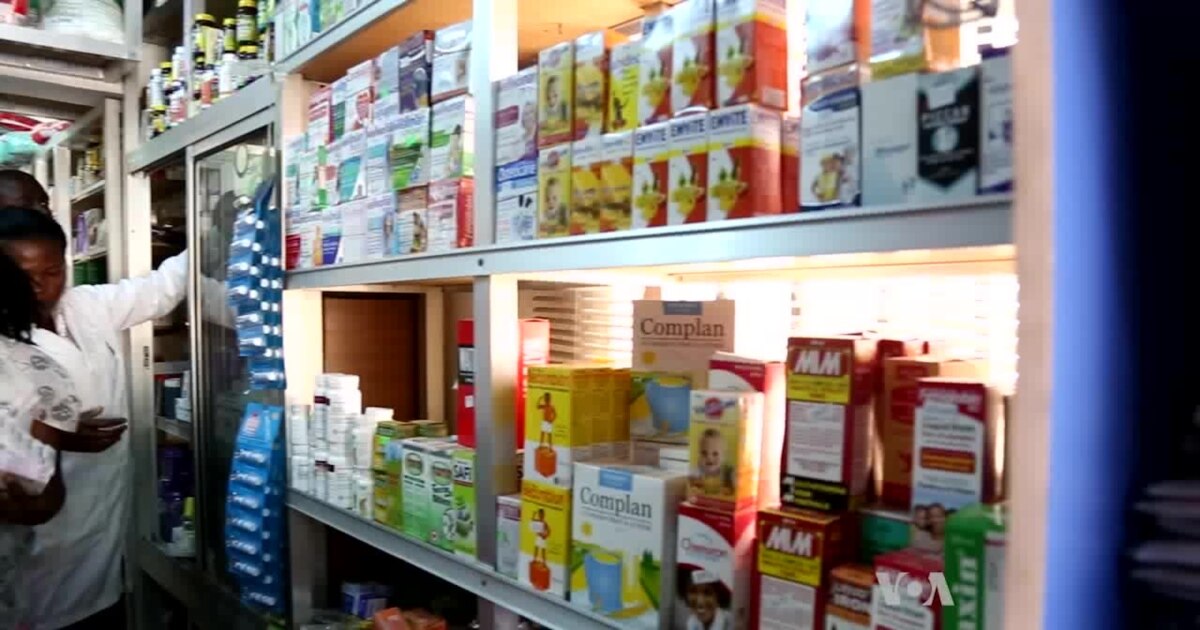
Nigeria's pharmaceutical supply chain is coming under renewed strain as import dependent drug distributors and healthcare suppliers contend with foreign exchange volatility, higher shipping expenses, and increasing distribution costs across the country.
Nigeria's healthcare sector is confronting a familiar but worsening reality in 2026, medicines cost more than incomes can comfortably absorb, and the companies importing and distributing those medicines are absorbing currency risk that shows up almost immediately on pharmacy shelves. Even as headline inflation eases, the price of staying healthy in Nigeria continues to climb at a pace that outstrips wages, wholesale trade, and the broader economy.
What Happened
The disconnect between general economic conditions and healthcare costs has become one of the clearest signals of ongoing strain. Headline inflation moderated to 15.10 percent in January 2026 and 15.06 percent in February 2026, yet healthcare inflation accelerated to 30.35 percent in early 2026 due to the lagged effects of earlier currency shocks, continuing to outpace general inflation and remaining a critical driver of drug affordability and market access challenges. By February, health sector inflation had come in at 28.62 percent, nearly double the headline rate, up from 19.58 percent in February 2025, with prescription medication costs increasing by an average of 22 percent annually between 2020 and 2025.
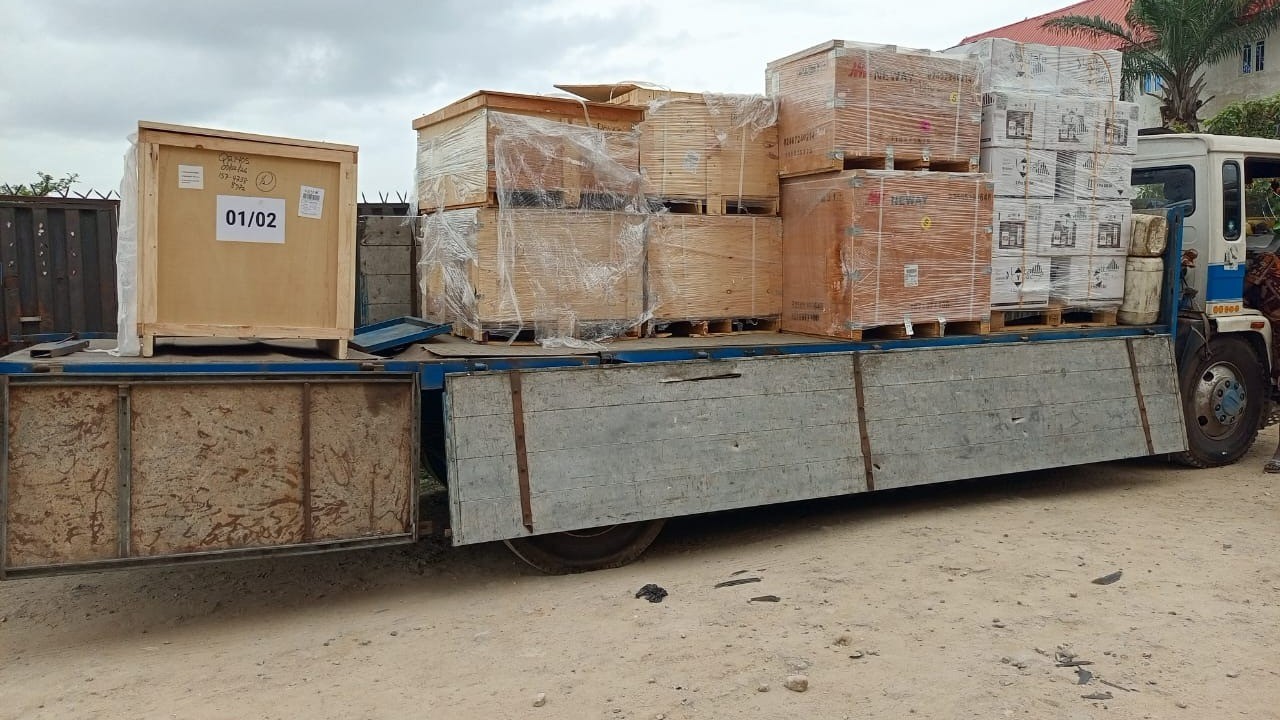
The structural cause remains unchanged even as the naira's behavior has shifted. Nigeria is significantly dependent on imports, with around 70 percent of medication being imported, comprising both active pharmaceutical ingredients and final medications. That reliance means even locally packaged products rely heavily on imported raw materials, so currency movements immediately affect landed costs and inventory valuation. And while the naira has shown signs of relative stability compared to the extreme volatility of 2023 to 2024, that stability has not translated into accessibility, since access to foreign exchange remains inconsistent, fragmented, and often delayed, forcing companies into a difficult trade off between waiting for official allocation and risking stockouts, or sourcing FX from alternative channels at a premium and absorbing the cost impact.
Working capital exposure compounds the pricing problem. If it takes 90 days from purchase order to sale, and the naira depreciates 10 percent during that window, a pharmaceutical company's margin can disappear before a tablet reaches a patient, and even with relative stability in 2025 and 2026, the exchange rate today is still roughly three times what it was before the 2023 reforms. A new tax provision has added further friction, as under Section 20(4) of the Nigeria Tax Act 2025, foreign currency expenses are deductible only at the official CBN rate, meaning any premium paid in unofficial channels to secure dollars faster cannot be deducted, effectively penalising companies that have no choice but to source FX outside the official window.
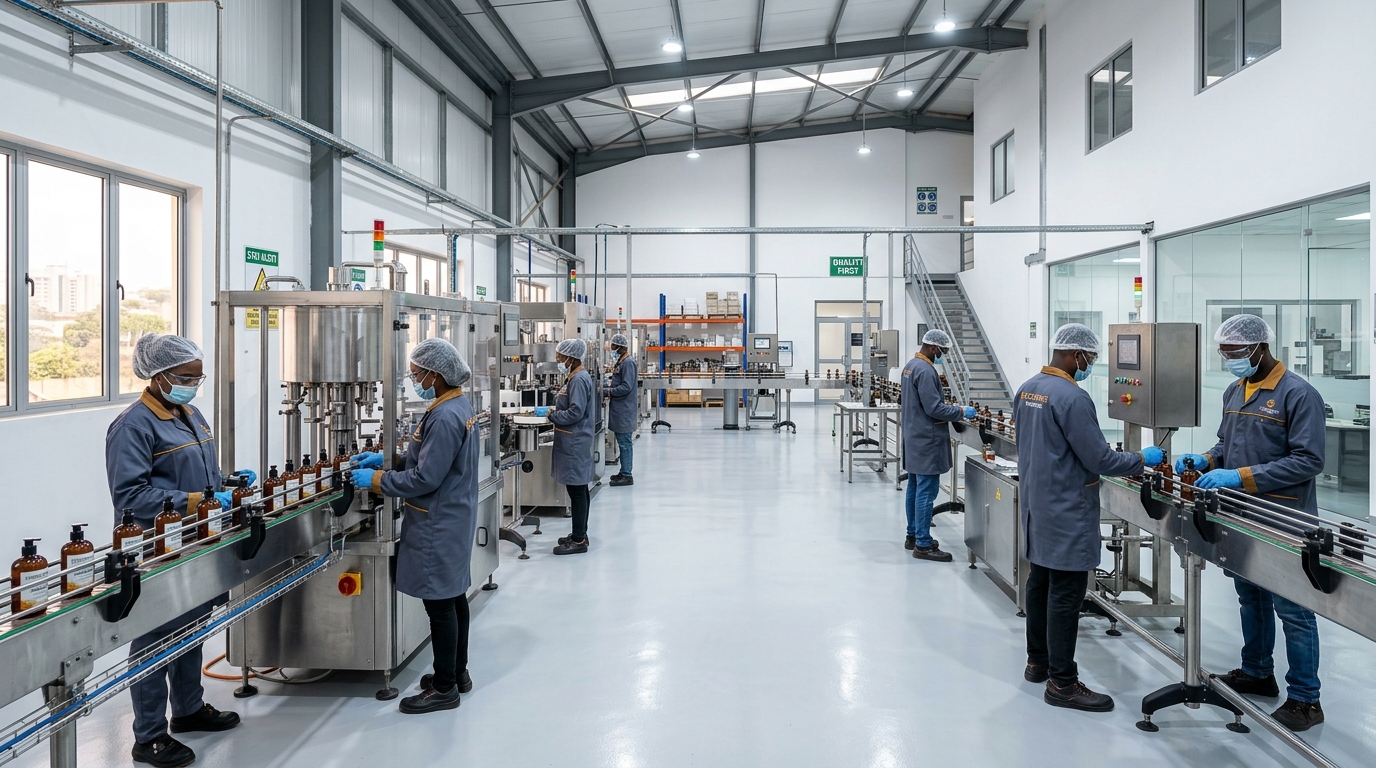
The cost pressures have not affected every player equally. Fidson Healthcare, Nigeria's largest listed drugmaker, grew revenue by almost 19 percent, from 62.64 billion naira to 74.48 billion naira in the first half of 2026, while profit after tax reached 7.72 billion naira, a 28 percent improvement over the same period last year, with one market commentary noting that the company converted higher sales into stronger earnings despite persistent forex pressures. Fidson's own first quarter results told a similar story, with profit for the period rising 40.3 percent to 4.56 billion naira on revenue growth of 21.7 percent. But that resilience has been concentrated among a shrinking pool of larger domestic players, since even the local drug manufacturing market remains at the mercy of importation, sourcing more than 90 percent of its active pharmaceutical ingredients and excipients overseas.
The exit of multinational players has reshaped who is left standing in that pool. On the exit of GlaxoSmithKline from Nigeria in 2023, the active pharmaceutical companies listed on the Nigerian Exchange fell to four, namely Fidson Healthcare, May & Baker, Mecure Industries and Neimeth. Drug prices for some products reportedly surged by as much as 1,000 percent following GSK's exit, and a survey of 50 pharmacies found that 94 percent of respondents believed the exits had directly caused drug shortages.
Why It Matters
The widening gap between healthcare inflation and general inflation matters because it strikes at a healthcare system already operating on an out of pocket payment model, where affordability determines access far more directly than in insurance based systems. When forex volatility, distribution costs, and shipping expenses compound, the burden lands almost entirely on patients and the pharmacies serving them, with a basic malaria treatment course costing roughly 7,000 naira, about 9 percent of the minimum monthly wage of 77,000 naira.
Industry Context
The broader industry has coalesced around forex access as the single most consequential policy lever available to government. Industry figures have consistently identified the forex crisis and the persistent depreciation of the naira as the primary factors driving the continuous rise in drug prices, with the Indian Pharmaceutical Manufacturers and Importers group highlighting forex as the main reason for soaring drug prices in Nigeria. In response, the Federal Government issued an Executive Order in 2024 exempting 87 pharmaceutical companies from import taxes on critical raw materials and production inputs, an exemption effective from March 2025 that will last two years. Local manufacturers have used the resulting vacuum to expand share, with Fidson Healthcare, MeCure Industries and May & Baker collectively posting 15.77 billion naira in profit in the first nine months of 2025, a 127 percent jump from the same period the prior year.
What Flipbz Thinks
Flipbz reads the pharmaceutical sector's current moment as a story of uneven resilience rather than universal recovery. Larger listed manufacturers like Fidson have shown that scale, backward integration, and disciplined cost management can offset much of the currency risk that smaller importers and distributors cannot absorb. That divergence raises a genuine public health concern, since a sector increasingly dominated by a handful of well capitalized domestic manufacturers may solve profitability but not necessarily affordability or supply diversity for consumers.
What Consumers and Investors Should Watch
Consumers should watch whether the government's import tax exemptions, set to run through 2027, meaningfully narrow the gap between healthcare inflation and headline inflation once their effects fully filter through supply chains. Investors should track whether the informal medicine channel growth flagged as a consequential risk continues expanding, since that shift raises both public health and long term revenue concerns for formal distributors.
The Bottom Line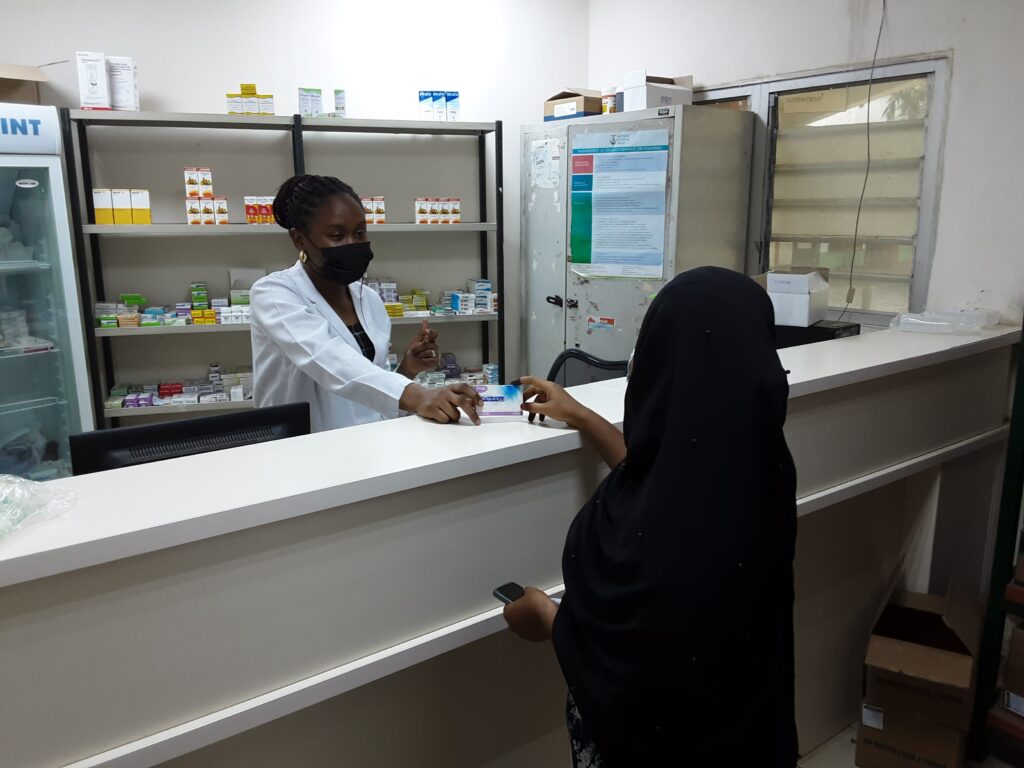
Nigeria's pharmaceutical importers and distributors are operating in an environment where currency stability exists more on paper than in daily procurement reality. Healthcare inflation running nearly double the headline rate, persistent FX access delays, and a shrinking pool of multinational suppliers together suggest the sector's cost pressures are structural rather than cyclical, meaning the path toward more affordable medicines in Nigeria depends less on macroeconomic headlines and more on whether FX accessibility, local manufacturing capacity, and distribution efficiency can genuinely improve together.
Please register to comment.
With these components in place, your business...
SolidBase Builders Limited is a professionall...
PrimeStone Construction Nigeria Ltd is a well...
CrestRock Engineering Services Ltd is a scala...
AGRO COMPANY
Discover promising partnership opportunities in various industries.
Pitch Your Startup | Find Partners





Comments