
Written By: Flipbz.org
Nigeria's ride hailing market is facing renewed operational challenges as fuel costs, vehicle maintenance expenses, driver income concerns, and evolving state level transport regulations continue to test the profitability of major mobility platforms.
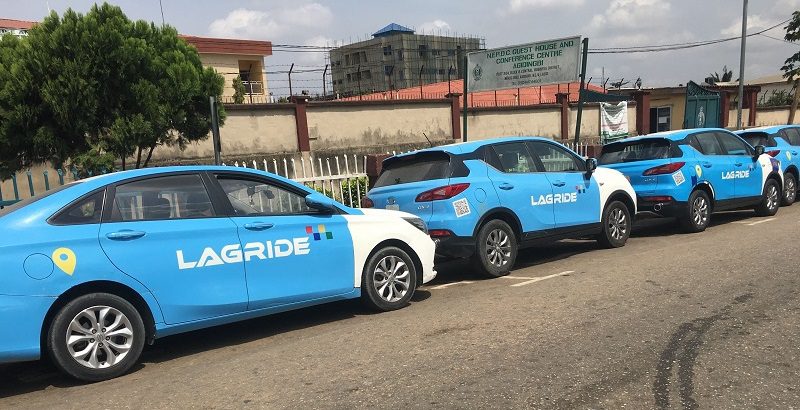
Nigeria's ride hailing sector has spent much of 2026 caught between two competing realities. Passengers still depend heavily on Uber, Bolt, inDrive, and Lagride for daily movement across Lagos and other major cities, yet the drivers powering that convenience are increasingly vocal that the economics no longer work in their favour. A string of strikes, petitions, and legislative hearings this year has turned a long simmering dispute over commissions and fuel costs into one of the clearest tests of platform economics in Nigeria's gig economy.
What Happened
The most visible flashpoint came in March 2026, when drivers organised under the Amalgamated Union of App Based Transporters of Nigeria staged a coordinated shutdown. Drivers across Lagos and Ogun State logged off Uber, Bolt, inDrive, and Lagride simultaneously, with strike monitoring teams deployed at the airport, major commercial districts, and transport hubs to encourage compliance. The union framed the action around a list of grievances tied directly to rising costs, with its spokesperson explaining that drivers face rising operational costs, including high fuel prices, vehicle maintenance expenses, inflation and other living expenses, while fare structures on ride hailing platforms have remained largely unchanged. Among the union's ten demands were an immediate adjustment of fares to reflect rising fuel costs and inflation, a reduction in platform commissions, and the introduction of a regulated minimum base fare to prevent extremely low paying trips.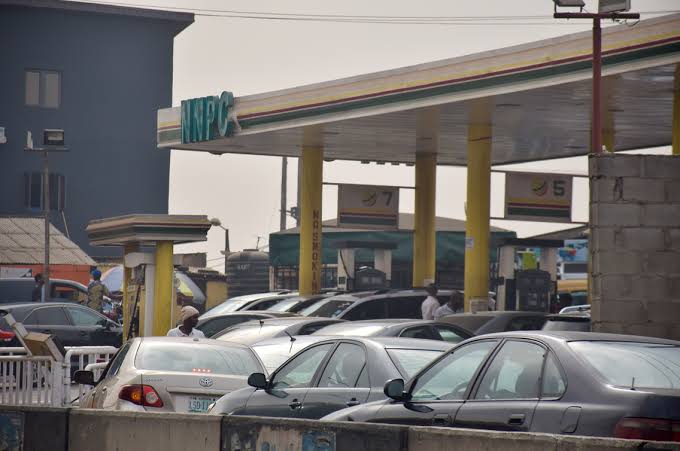
Fuel costs sit at the center of the dispute, and the numbers explain why. One driver economics breakdown from April 2026 put daily fuel spending between N20,000 and N25,000, a figure that eats directly into gross earnings before commissions are even deducted. Petrol prices compounded that pressure earlier in the year, with reporting in March 2026 noting that prices had jumped by close to 50 percent over a two week period. Against that backdrop, drivers have pushed back hard on how ride hailing companies market their earning potential, with the union's public relations officer noting that despite the figures companies advertise to recruit new drivers, the reality for many is starkly different.
The strain has not eased since March. In May 2026, the union escalated its complaints into a formal legal petition. In a letter dated May 25, 2026 and addressed to the Lagos State Attorney General and Commissioner for Justice, the union called for urgent legal, legislative and regulatory intervention in the operations of the ride hailing companies in Lagos. The petition included a stark earnings claim, with the union estimating that after deductions and expenses, many drivers are left with less than N3,000 daily despite working for long hours under harsh economic conditions, a situation it blamed for fatigue related accidents. The union proposed that commissions should not exceed five percent, or alternatively that companies adopt a daily subscription model ranging from N500 to N1,000 instead of percentage based commissions.
By June, the dispute expanded to include a new regulatory dimension tied to worker protections. Drivers staged a further protest in support of enforcing a National Health Insurance Authority directive mandating app based transport and logistics platforms to provide health insurance access for independent contractors, in line with the NHIA Act 2022. The Lagos State chairman of the union framed the demonstration around a broader set of unresolved issues, describing the challenges faced daily by app based drivers as including inadequate fares, high commissions, lack of social protection, and rising operational costs.
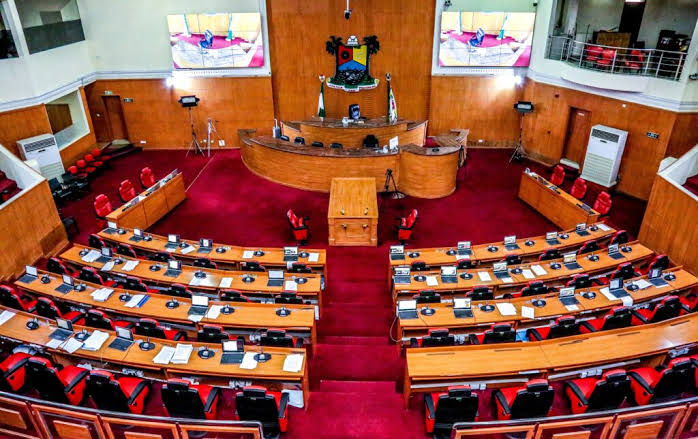
Regulatory attention has followed the drivers' complaints closely. Lagos lawmakers had already summoned major operators, including Bolt, Uber, inDrive, and Rida, for hearings on labour practice violations, mandating detailed audits of driver contracts and earnings, a process that set the stage for the more formal petitions filed in 2026. Meanwhile, platforms have pointed to their own investments in driver incentives and payout growth as evidence of responsiveness, with one operator's spokesperson noting that driver payouts rose by close to 40 percent compared to the previous year, arguing that platforms provide essential livelihoods for thousands across Nigeria amid rising inflation and scarce job opportunities.
Why It Matters
The dispute matters because it exposes a structural tension in Nigeria's ride hailing economics that fuel subsidies or one off incentives cannot fully resolve. Drivers are absorbing volatile fuel costs and vehicle maintenance expenses directly, while fare structures adjust far more slowly, creating a widening gap between operating costs and take home income. That gap has real consequences for service reliability, since repeated strikes have already demonstrated that passengers in Lagos and Ogun State can face significant disruption, particularly during peak hours, when drivers log off en masse.
Industry Context
Nigeria's driver unrest is not an isolated phenomenon. Similar tensions have been building across Africa's ride hailing markets, with comparable disputes surfacing in Nairobi, Kampala and Dar es Salaam as the model expands across the continent, and Kenya reportedly considering direct regulatory intervention in its own ride hailing market. That regional pattern suggests the commission and fare structures that powered rapid ride hailing growth across African cities are increasingly colliding with local cost realities that platforms calibrated their pricing models around years earlier.
One policy shift may offer modest relief on the vehicle side. The federal government cut import levies on new and used vehicles in mid 2026, reducing the levy on new vehicles from 20 percent to 10 percent and on used vehicles from 15 percent to five percent under new fiscal policy measures, a move that could lower the cost of vehicle acquisition for drivers even as it does little to address daily fuel and commission pressures.
What Flipbz Thinks
Flipbz sees the recurring strikes and escalating petitions as a sign that Nigeria's ride hailing sector has reached a genuine inflection point rather than a temporary rough patch. The shift from informal driver complaints to formal legal petitions and legislative hearings suggests drivers are pursuing structural remedies rather than one off fare adjustments, and that shift raises the stakes considerably for platforms that have historically resisted commission caps. The most consequential unresolved question is whether Lagos regulators move from hearings and audits toward binding rules on commission ceilings or mandatory health insurance enrollment, since that would fundamentally alter platform unit economics in a way incentive programmes cannot offset.
What Riders & Investors Should Watch
Riders should expect continued intermittent disruption during future strike actions, particularly around fuel price spikes or unresolved commission disputes, and should watch whether platforms introduce more transparent fare adjustment mechanisms tied to fuel costs. Investors and industry watchers should track whether Lagos State moves beyond audits and hearings toward binding commission regulation, since any mandated cap or minimum fare requirement would materially reshape platform economics across Nigeria's largest ride hailing market.
The Bottom Line
Nigeria's ride hailing platforms enter the second half of 2026 managing a driver relationship under more strain than at any point in recent years, with fuel costs, stagnant fare structures, and mounting regulatory scrutiny converging at once. Whether platforms respond with structural changes to commissions and fare models, or continue relying on incentive programmes and public statements about aggregate driver earnings, will likely determine whether Lagos sees further disruptive strikes before the year is out.
Please register to comment.
With these components in place, your business...
SolidBase Builders Limited is a professionall...
PrimeStone Construction Nigeria Ltd is a well...
CrestRock Engineering Services Ltd is a scala...
AGRO COMPANY
Discover promising partnership opportunities in various industries.
Pitch Your Startup | Find Partners
.jpg)
.jpg)


Comments