
.jpeg "Nigeria’s Power Sector Faces Fresh Supply Concerns")
Written By: Flipbz.org
Industry Stakeholders Monitor Generation Stability And Ongoing Electricity Distribution Challenges Nationwide
Industry stakeholders monitor generation stability and ongoing electricity distribution challenges nationwide, as gas supply shortfalls, ageing infrastructure, and mounting sector debt continue to undermine progress toward reliable nationwide power.
Nigeria's electricity sector is once again under scrutiny as stakeholders across generation, transmission, and distribution report renewed concerns over supply stability, even as the country continues implementing sweeping reforms meant to modernise the grid. From persistent gas supply shortfalls constraining power plants to mounting financial strain across distribution companies, the latest signs suggest that despite years of liberalisation and billions in planned investment, reliable nationwide electricity supply remains an elusive goal for millions of Nigerian households and businesses.
What Happened
Nigeria's electricity generation has continued to fall well short of the country's installed capacity, with much of the shortfall tied directly to gas supply constraints. Nigeria's domestic gas suppliers delivered an average of 2.05 billion cubic feet of gas per day in the first half of 2026, achieving only about 65 percent of the country's Domestic Gas Delivery Obligation target, according to the Nigerian Upstream Petroleum Regulatory Commission, a shortfall that has direct consequences for gas fired power plants, which account for the majority of Nigeria's grid electricity generation.
Regulatory data has continued to highlight the gap between allocated obligations and actual delivery. NUPRC disclosed that out of about 63 producing companies, only 27 were allocated Domestic Gas Delivery Obligation volumes, while only 23 of those allottees were actively supplying gas to domestic customers, underscoring persistent structural weaknesses in translating supply commitments into consistent power plant feedstock.
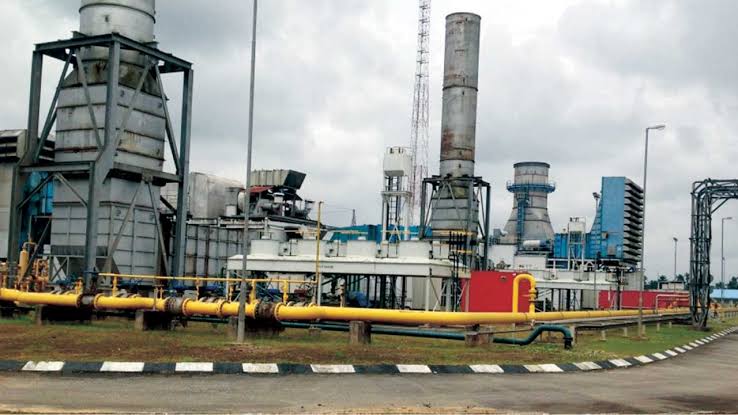
On the distribution side, Nigeria's electricity distribution companies have continued to face significant financial strain tied to unpaid debts and revenue collection challenges. The sector's long standing liquidity crisis, rooted in tariff shortfalls, high aggregate technical, commercial and collection losses, and inconsistent metering, has continued to limit the ability of distribution companies to invest in network upgrades needed to reduce transmission losses and improve reliability for end users.
The Nigerian Electricity Regulatory Commission has continued to push forward with reforms under the Electricity Act 2023, which decentralised power sector regulation and allowed state governments to establish their own electricity markets independent of the national grid. Several states, including Lagos, Edo, and Enugu, have advanced their own state level electricity regulatory frameworks in an effort to attract independent power investment and improve local distribution oversight, part of a broader trend toward sub national electricity market development following the constitutional amendment that ended the federal government's exclusive authority over electricity regulation.
Transmission infrastructure has also remained a point of concern. The Transmission Company of Nigeria has continued reporting on efforts to expand grid capacity and reduce system collapses, incidents in which the national grid experiences a full or partial failure, disrupting power supply across multiple states simultaneously. Such collapses have remained a recurring feature of Nigeria's electricity system, with the country recording multiple grid disturbances over the past year, each requiring extended restoration periods that leave millions temporarily without grid power.
Why It Matters
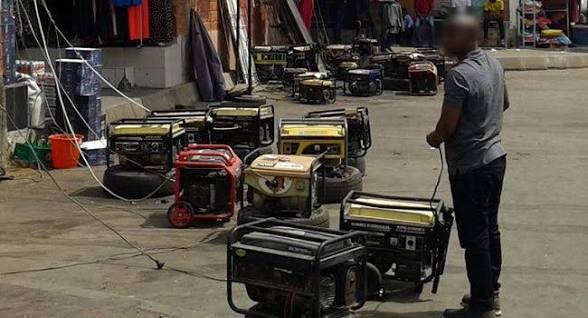
The consequences of Nigeria's persistent power supply challenges extend across nearly every sector of the economy. For households, unreliable grid electricity means continued dependence on expensive, diesel or petrol powered generators, a cost burden that has intensified as fuel prices climbed sharply through much of 2026. For businesses, particularly manufacturers already contending with elevated production costs, power reliability directly affects operational expenses and competitiveness, with many industrial operators citing energy costs as one of the primary factors constraining growth and profitability this year.
The stakes extend to broader economic development goals as well. Nigeria's ambitions around industrialisation, digital economy growth, and expanded manufacturing capacity all depend fundamentally on reliable, affordable electricity access. Without meaningful improvement in generation stability and distribution efficiency, the country risks continuing to underdeliver on its own stated economic diversification targets, regardless of progress made in other areas of macroeconomic policy.
Industry Context
Nigeria's power sector challenges are deeply intertwined with the broader gas supply issues affecting the country's energy value chain. NNPC's Gas Master Plan 2026, unveiled in January, set ambitious targets to raise national gas production to 10 billion cubic feet per day by 2027 and 12 billion cubic feet per day by 2030, explicitly citing power generation as one of the priority sectors expected to benefit from expanded domestic gas availability. Yet the persistent gap between gas allocation and actual delivery illustrates why increased production targets alone may not resolve the power sector's underlying supply reliability challenges without parallel improvements in domestic distribution and commercial arrangements between gas suppliers and power generation companies.
The broader regulatory environment has continued evolving since the landmark decentralisation reforms took effect. The Electricity Act 2023 fundamentally restructured Nigeria's power sector governance, ending decades of exclusively federal control over electricity regulation and opening the door for states to develop independent markets, generate and distribute power within their own boundaries, and attract dedicated investment without needing federal approval for every regulatory decision. Proponents of the reform have argued that sub national electricity markets could accelerate investment and improve service delivery by allowing more localised, responsive regulatory oversight, though the transition has also introduced new coordination complexities between state and federal regulatory bodies still being worked out in practice.
Financial sustainability remains one of the sector's most persistent structural challenges. Nigeria's electricity tariff structure has historically failed to fully reflect the cost of generating, transmitting, and distributing power, creating a subsidy burden that successive governments have struggled to phase out without triggering public backlash over rising electricity costs. That tension between cost reflective pricing and affordability concerns has continued to shape policy debates throughout 2026, as officials weigh further tariff adjustments against the political and social sensitivity of rising electricity costs amid broader inflationary pressure already straining household budgets.
What Flipbz Thinks
Flipbz sees Nigeria's power sector as caught in a familiar and frustrating cycle: ambitious reform frameworks and infrastructure investment plans consistently outpacing actual delivery on the ground. The Electricity Act's decentralisation reforms represent genuinely significant structural change, and NNPC's gas expansion targets, if achieved, could meaningfully ease feedstock constraints for power generation. But as this year's gas delivery shortfalls demonstrate, planning documents and stated targets have repeatedly failed to translate into consistent, measurable improvements for end users. Until Nigeria addresses the fundamental commercial and financial dysfunction plaguing the relationship between gas suppliers, generation companies, and distribution companies, more infrastructure investment alone is unlikely to resolve the reliability challenges that have defined the sector for decades.
What Consumers & Investors Should Watch
Consumers and businesses should watch closely for how state level electricity markets, particularly in Lagos, Edo, and Enugu, progress in practice, since these sub national frameworks represent one of the more concrete near term opportunities for localised service improvement outside the constraints of the national grid. Investors and industry stakeholders should track whether NUPRC's new Gas Swap Framework, introduced to improve compliance with Domestic Gas Delivery Obligations, begins closing the gap between allocated and actually delivered gas volumes, since that shortfall remains one of the clearest structural constraints on power generation stability. Continued monitoring of grid collapse frequency and restoration times will also offer a practical, real time indicator of whether transmission reliability is genuinely improving.
The Bottom Line
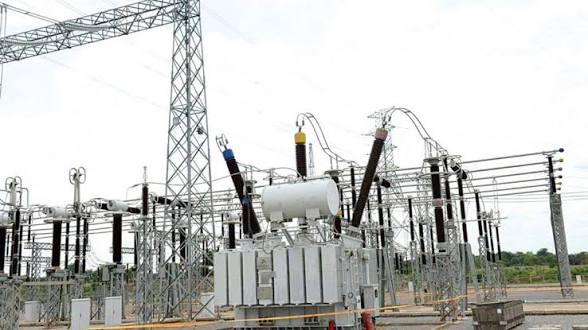
Nigeria's power sector remains defined by a familiar and costly paradox: ambitious reform, genuine infrastructure investment, and stated commitment to change, set against a persistent inability to deliver consistent, reliable electricity to the households and businesses that need it most. Until the structural gaps between gas supply commitments, generation capacity, and distribution reliability are genuinely closed, rather than simply reformed on paper, millions of Nigerians will likely continue treating grid electricity as a supplement to self generated power, rather than the dependable utility it is meant to be.

Please register to comment.
With these components in place, your business...
SolidBase Builders Limited is a professionall...
PrimeStone Construction Nigeria Ltd is a well...
CrestRock Engineering Services Ltd is a scala...
Complete multi-currency online banking websit...
Discover promising partnership opportunities in various industries.
Pitch Your Startup | Find Partners
.jpeg)
.jpeg)
.jpeg)
.jpeg)
.jpeg)



Comments