
.jpeg "West African Nations Push New Food Security Partnerships")
Written By: Flipbz.org
Governments Expand Agricultural Cooperation To Reduce Import Dependence And Improve Supply
From a revamped ECOWAS regional storage strategy to a new World Bank funded resilience program and a fresh IFDC soil health partnership, West African governments are moving to rebuild food security architecture as hunger levels across the region reach some of their highest points in years.
West African governments and regional bodies are moving on multiple fronts to rebuild the continent's food security architecture, as hunger levels across the region climb toward some of their highest recorded points. From a sweeping review of ECOWAS's decade old food storage strategy to a newly signed soil health partnership and a fresh World Bank funded resilience program, the flurry of activity reflects mounting urgency among policymakers that existing systems are no longer adequate for a region facing climate shocks, trade disruptions, and a widening humanitarian crisis.
What Happened
The Economic Community of West African States, through its Regional Agency for Agriculture and Food, brought together farmer organizations and their regional networks in Dakar from 22 to 25 June 2026 to gather their input on the revision of the Regional Food Security Storage Strategy, working alongside the Permanent Inter State Committee for Drought Control in the Sahel and the West African Economic and Monetary Union. According to Kanfitin Konlani, Executive Director of the ECOWAS Regional Agency for Agriculture and Food, the region needs stronger and more sovereign mechanisms capable of responding effectively to the needs of its populations amid increasingly complex crises. ECOWAS officials indicated that the revised strategy will expand beyond emergency response to support agricultural market development, sustainable food systems, and job creation for young people and women.
The current architecture being revised has stood largely unchanged for years. The system is built on three tiers: local food stocks managed by producer organizations, national reserves overseen by member states, and the Regional Food Security Reserve, with ECOWAS noting the framework must be updated to address growing challenges posed by climate change, economic shocks, trade disruptions, and public health crises.
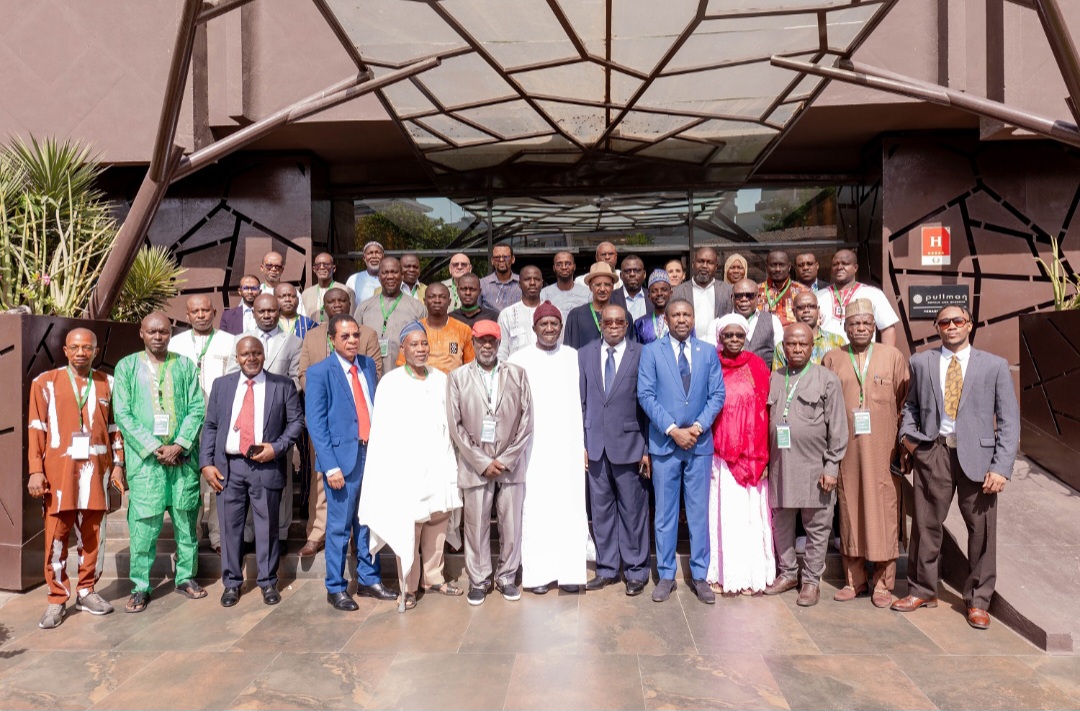
Separately, in a move focused on longer term structural resilience, IFDC and the ECOWAS Commission signed a Memorandum of Understanding on July 17 in Freetown, Sierra Leone, on the sidelines of the Commission's ordinary session, with the agreement centered on soil health, supporting policy implementation, knowledge sharing, and agricultural initiatives. The partnership aims to strengthen food security, climate resilience, and sustainable economic development across West Africa and the Sahel through coordinated action, contributing to the implementation of policies including the Economic Community of West Africa Agricultural Policy, the Lomé Declaration on Fertilizers and Soil Health, and ECOWAS Vision 2050.
The World Bank has also stepped up its involvement. The institution approved a fourth phase of the West Africa Food System Resilience Program in March 2026 to help strengthen food security and accelerate job creation across the continent, with the project designed to further support 150 entrepreneurial ventures, strengthen or establish 25 incubators and accelerators, and enable $16.5 million in private capital to unlock job opportunities in agribusiness and agricultural technology. The broader resilience program has already shown measurable results in its earlier phases, with more than 880,000 producers having adopted Climate Smart Agricultural technologies, driving sustainable productivity across participating countries.
At the national level, Senegal has pursued its own bilateral track. The Government of Senegal, in partnership with the World Bank Group, announced the launch of the AgriConnect Senegal Compact in February 2026, a strategic initiative aimed at transforming the country's agri food systems, with officials describing the partnership as part of a national dynamic placing food sovereignty at the heart of the country's transformation agenda.
Meanwhile, ECOWAS has also been advancing a separate financial mechanism aimed at insulating farmers from climate related losses. Stakeholders from across West Africa met in Lomé beginning July 29, 2026, to draft an operating manual for a planned ECOWAS agricultural risk financing window, with the region's resident representative in Togo noting that the number of people facing food insecurity in West Africa and the Sahel rose from 22.1 million in 2020 to nearly 52.9 million in 2026.
Why It Matters
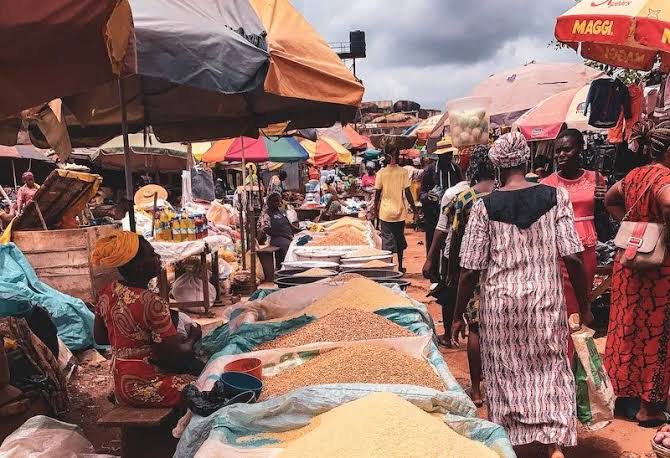
The scale of urgency behind these partnerships is difficult to overstate. The United Nations World Food Programme has warned that a staggering 55 million people in the region are expected to endure crisis levels of hunger, or worse, during the June to August 2026 lean season, with over 13 million children also expected to suffer from malnutrition in 2026. The latest Cadre Harmonisé analysis, the region's equivalent of the Integrated Food Security Phase Classification, projects that over three million people will face emergency levels of food insecurity this year, more than double the 1.5 million recorded in 2020, with four countries, Nigeria, Chad, Cameroon, and Niger, accounting for 77 percent of the food insecurity figures, including 15,000 people in Nigeria's Borno State at risk of catastrophic hunger for the first time in nearly a decade.
For consumers and rural communities across the region, these numbers translate into daily realities of rising food prices, disrupted supply chains, and, in the most severe cases, outright starvation risk. For governments, the stakes extend beyond humanitarian concern into questions of stability, given the well documented links between food insecurity and conflict risk in fragile parts of the Sahel and Lake Chad Basin.
Industry Context
West Africa's food security challenges are occurring against a backdrop of otherwise improving macroeconomic conditions, a contradiction regional officials have been forced to reckon with directly. In its 2025-2027 Regional Economic Outlook released on June 9, 2026, the ECOWAS Commission projected regional economic growth to rise from an estimated 4.3 percent in 2024 to 4.8 percent in 2025, 5.0 percent in 2026, and 7.1 percent in 2027, supported by expanding energy production, extractive industries, infrastructure development, and growth in financial and digital services. Yet despite that positive outlook, ECOWAS warned that inflation, public debt pressures, climate change, trade disruptions, and ongoing security challenges continue to pose significant risks to the region's economic performance, with the Commission identifying continued dependence on food imports, climate related shocks, post harvest losses, limited irrigation infrastructure, and trade restrictions as key factors undermining food system resilience.
That gap between growth and food security has attracted growing private sector interest as well. A new international agribusiness platform, Growtech West Africa, is set to launch in Lagos as countries across the region focus on reducing food import dependency and building more resilient agricultural systems, with organizers pointing to increasing demand for modern technologies, controlled environment agriculture, irrigation, and livestock solutions. Growtech Middle East Director Ahmed Khalil said West Africa stands at a defining moment for its agriculture and food sector, noting the region has the resources and ambition to significantly strengthen food production capabilities over the coming decade.
At the same time, the broader UN system's flagship food security assessment has flagged that structural economic pressures remain the core obstacle across the continent. The 2026 State of Food Security and Nutrition in the World report focuses on the rising cost of healthy diets and the structural and economic forces driving these trends, noting that while global food security and nutrition improved modestly in 2025, progress remains uneven and insufficient to meet global 2030 targets.
What Flipbz Thinks
Flipbz sees this wave of overlapping partnerships, spanning ECOWAS's own regional reserve overhaul, bilateral World Bank compacts, and technical soil health cooperation with IFDC, as a genuine attempt to move from reactive humanitarian response toward structural resilience. The emphasis on soil health, agricultural risk financing, and local production capacity suggests regional bodies have recognized that emergency food aid alone cannot keep pace with a crisis growing this quickly. The real test, however, will be execution and financing discipline. West Africa has no shortage of frameworks, declarations, and memoranda of understanding; what it has historically lacked is consistent, well funded implementation at the scale the crisis demands. Whether the current push produces measurable reductions in food insecurity, or simply adds another layer of well intentioned regional architecture, will depend entirely on how quickly these commitments translate into functioning reserves, accessible financing, and improved yields on the ground.
What Consumers & Investors Should Watch
Regional consumers and civil society groups should watch closely for concrete details emerging from ECOWAS's revised Regional Food Security Storage Strategy, particularly how quickly the reformed reserve system becomes operational and accessible to member states facing acute shortages. Investors and development partners, meanwhile, should track disbursement progress under the World Bank's fourth phase resilience program and the pace at which the planned ECOWAS agricultural risk financing window moves from operating manual to functioning mechanism, since both will serve as early indicators of whether this current burst of partnership activity translates into tangible relief for the tens of millions currently facing crisis level hunger.
The Bottom Line
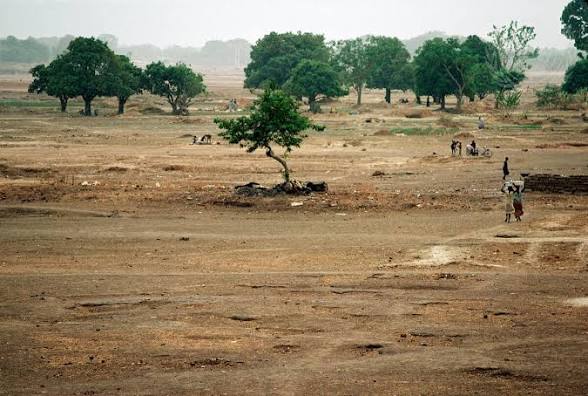
West Africa's food security push in 2026 reflects a region under genuine strain, but also one attempting, through overlapping regional, national, and international partnerships, to build systems capable of withstanding future shocks rather than merely responding to the current one. With tens of millions already facing crisis level hunger this lean season, the coming months will reveal whether this new wave of cooperation represents a durable turning point, or another chapter in a long running struggle between ambition and implementation.

Please register to comment.
With these components in place, your business...
SolidBase Builders Limited is a professionall...
PrimeStone Construction Nigeria Ltd is a well...
CrestRock Engineering Services Ltd is a scala...
Open the Listing model file located in the ap...
Discover promising partnership opportunities in various industries.
Pitch Your Startup | Find Partners




.jpeg)
.jpeg)


Comments