
Written By: Flipbz.org
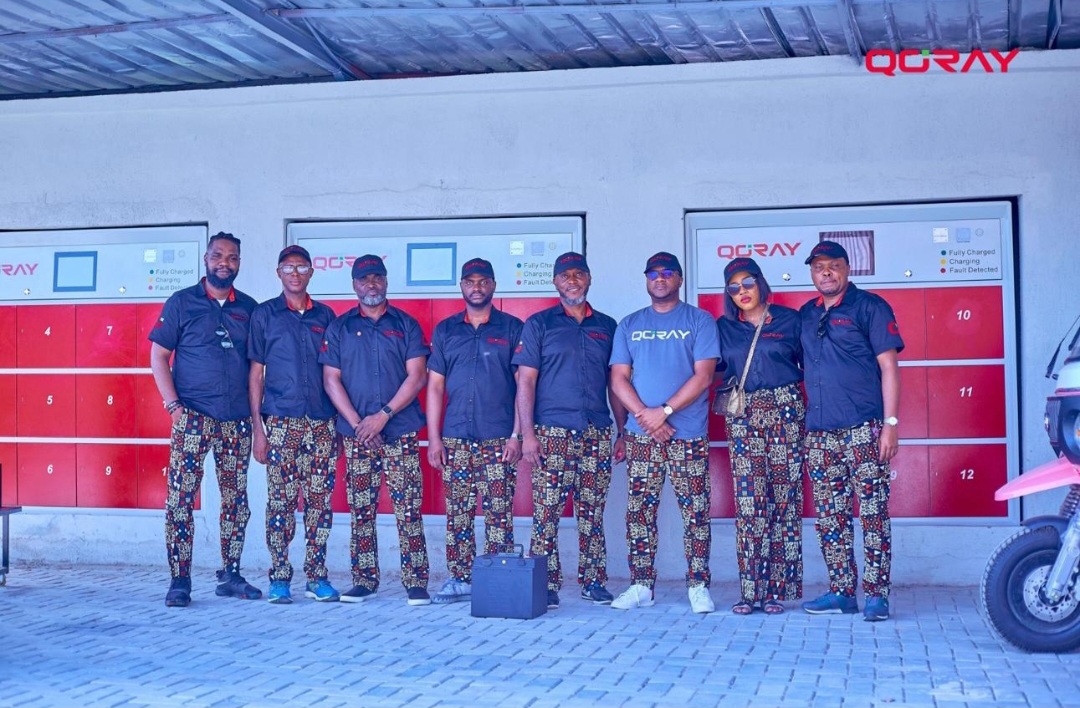
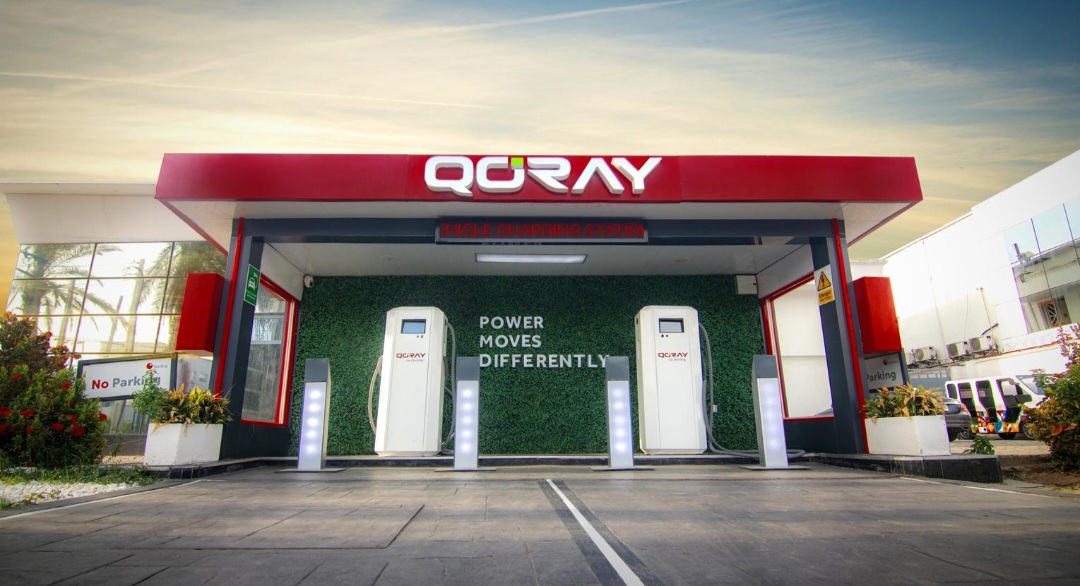
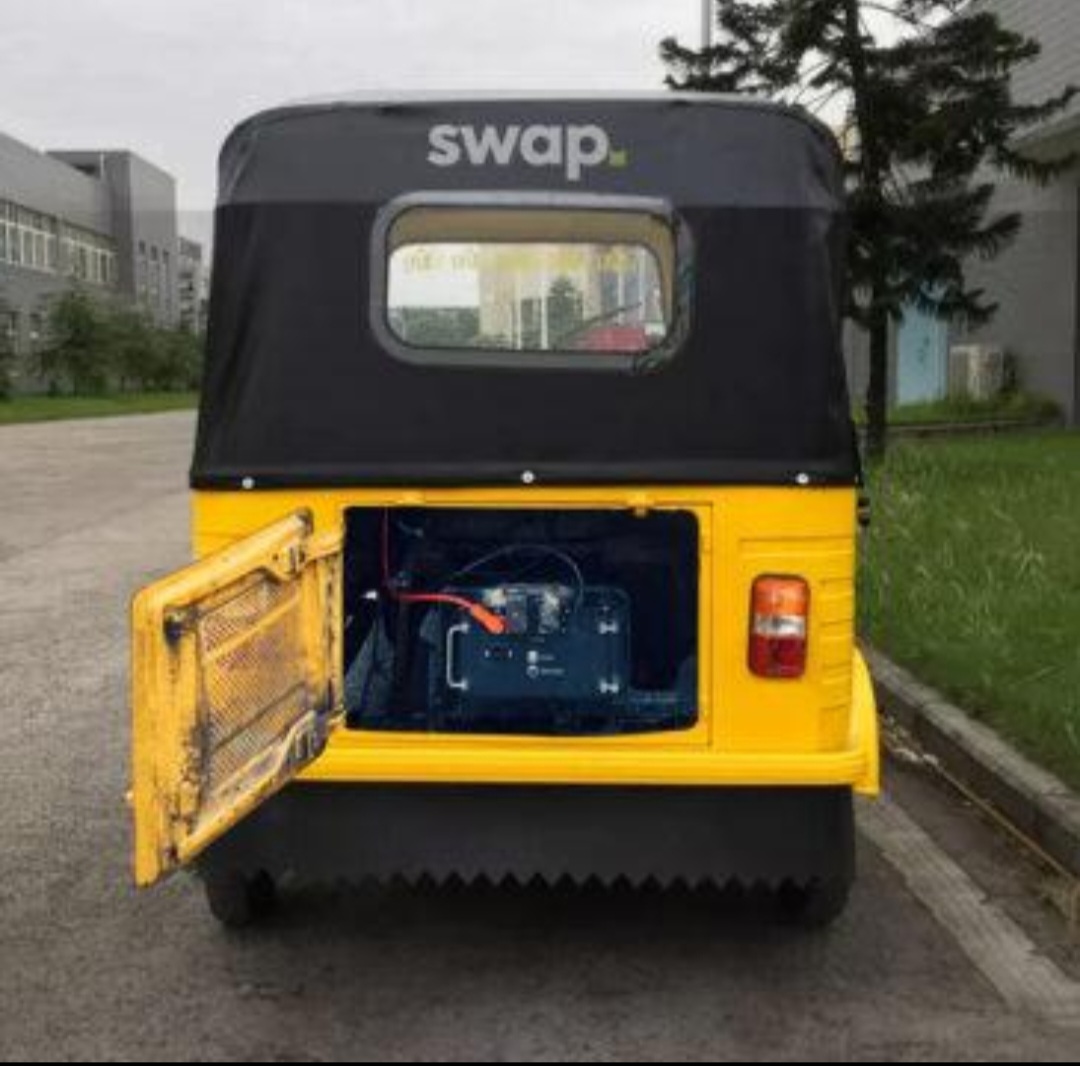
Qoray Mobility has positioned itself among the small group of Nigerian companies betting that two wheelers, not cars, will be where electric mobility actually takes hold first in the country. The company operates as one of the electric vehicle startups building battery swap infrastructure in Nigeria, standing alongside more established names like MAX, Spiro, and Siltech in a race to solve last mile electrification for the country's commercial riders. What sets Qoray apart within that group is its early focus on solar powered battery swapping and DC fast charging, giving it a distinct technical identity in a market still figuring out its winning model.
The company has moved from pilots toward real infrastructure deployment recently, expanding beyond isolated swap stations into more structured partnerships. Momentum has followed with tie-ups involving Marriott and TotalEnergies Marketing Nigeria, signaling the company's expanding nationwide footprint, giving Qoray access to hospitality and fuel retail real estate that could accelerate how quickly its charging network spreads beyond Lagos and Abuja.
Qoray has also been experimenting with how to scale ownership rather than just infrastructure. The company recently rolled out a Dealer-Owned, Dealer-Operated model, an initiative designed to enable local entrepreneurs to own and operate electric mobility businesses while leveraging Qoray's battery-swapping infrastructure, financing systems, and digital mobility platform. Under that structure, dealers contribute an estimated 50 million naira upfront to access a financed mobility ecosystem valued at about 177 million naira, covering electric tricycles and supporting infrastructure, with founder and CEO Olabanjo Alimi describing the ambition as building a decentralized mobility ecosystem that empowers local operators and creates green jobs at the community level.
Qoray's timing lines up with a genuinely shifting policy environment. Nigeria approved tax waivers for nearly 4,000 electric vehicles during the first half of 2026, the first tranche under a new government programme meant to accelerate EV adoption through incentives and local assembly. Those incentives build on earlier moves, since the country has exempted EVs from value added tax since 2024 and cut EV import duties from 5 percent to zero this year, while the 2023 removal of the fuel subsidy has pushed petrol prices up and made electric motorcycles increasingly attractive by comparison.
Real constraints remain, though. A policy brief reviewed by Reuters estimated that Nigeria had only about 48 public EV charging stations as of late 2025, with most concentrated in Lagos and Abuja, compared with more than 500 in South Africa, while the country's electricity grid remains heavily strained. That infrastructure gap is precisely the opportunity companies like Qoray are chasing, betting that battery swapping, which sidesteps the need for reliable grid based charging entirely, is the more realistic path to electrification for Nigeria's commercial two and three wheeler fleet than waiting on the power sector to catch up.

Please register to comment.
With these components in place, your business...
SolidBase Builders Limited is a professionall...
PrimeStone Construction Nigeria Ltd is a well...
CrestRock Engineering Services Ltd is a scala...
AGRO COMPANY
Discover promising partnership opportunities in various industries.
Pitch Your Startup | Find Partners


.jpg)

Comments