
Written By: Flipbz.org
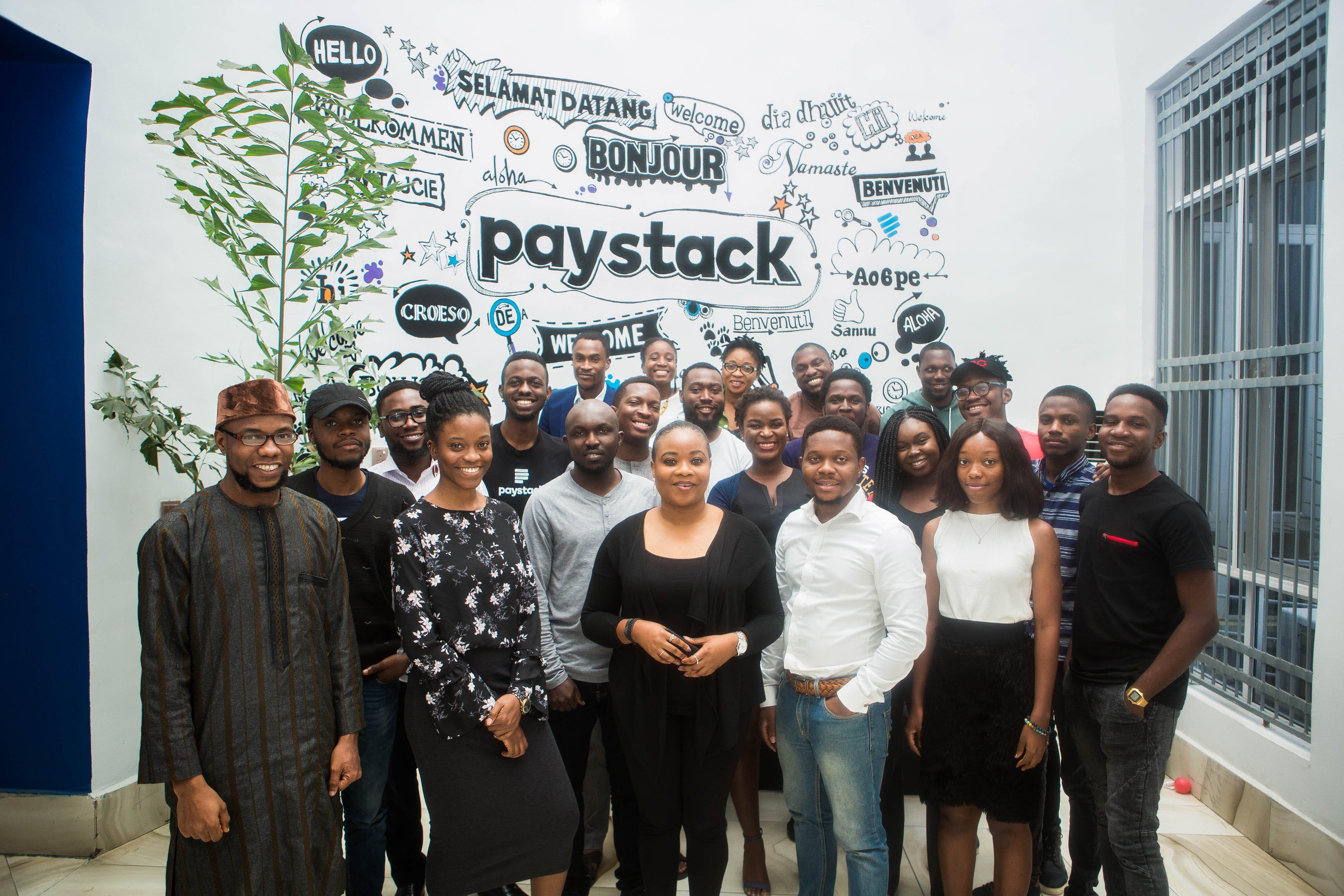
Paystack has taken the biggest strategic leap in its history, acquiring Ladder Microfinance Bank in a move that hands the Stripe owned Nigerian fintech something it has never had in ten years of operation: its own banking licence. The acquired institution will be rebranded as Paystack Microfinance Bank and function as a separately regulated entity within the Paystack group, and with the banking licence, Paystack is now allowed to accept customer deposits and issue loans, capabilities that were not available under its previous payments only authorisation.
For a company that has spent close to a decade developing payment infrastructure used across Africa but had limited direct involvement in deposit taking or credit provision, the shift is significant. Until now, the company relied on partner banks to hold funds moving through its platform, meaning every naira flowing through Paystack's rails technically sat inside someone else's balance sheet. That changes with this deal. Paystack's Chief Operating Officer, Amandine Lobelle, told TechCabal that Paystack MFB will start by offering lending products to businesses before eventually expanding into consumer loans and broader financial services, with company officials indicating the phased approach reflects a focus on enterprise needs before moving into wider retail offerings.
The reasoning behind the move traces back to lessons learned from Paystack's massive merchant base. The decision to move into banking is driven by insights gained from supporting over 300,000 businesses and millions of consumers across Nigeria, giving the company a front row view of exactly where working capital gaps and credit shortages were holding merchants back. Beyond lending, Paystack MFB is also expected to provide banking as a service capabilities, allowing other companies to build financial products, including internal treasury and money management tools, on top of Paystack's regulated banking infrastructure, essentially turning the new banking licence into a platform other fintechs and businesses can build on top of, not just a product for Paystack's own merchants.
The timing places Paystack squarely in a fast moving industry pattern. The development comes barely a week after another leading Nigerian fintech, Flutterwave, acquired open banking startup Mono to strengthen its payments stack with open banking, data, and identity capabilities, with one industry analysis describing the pattern plainly: like Flutterwave's recent acquisition of Mono, Paystack is buying its infrastructure rather than renting it from partners. The entry into banking puts Paystack in direct competition with established digital first players like Moniepoint, OPay, and Kuda, as well as traditional microfinance giants like LAPO, intensifying what was already one of the most competitive corners of Nigeria's financial sector.
Paystack, founded in 2015 by Shola Akinlade and Ezra Olubi and acquired by global payments giant Stripe in a 200 million dollar deal in 2020, is now betting that owning the full financial lifecycle, from processing a payment to lending those funds back out as working capital, matters more for the next decade of growth than simply moving money faster than competitors. With banking as a service capabilities layered on top of lending, Paystack's move looks less like a side bet and more like a rewrite of what the company considers its core business.

Please register to comment.
With these components in place, your business...
SolidBase Builders Limited is a professionall...
PrimeStone Construction Nigeria Ltd is a well...
CrestRock Engineering Services Ltd is a scala...
Here is an optimized version of your Blade te...
Discover promising partnership opportunities in various industries.
Pitch Your Startup | Find Partners






Comments