
.jpg "Nigeria’s ₦2 Billion Spider-Man Hit Raises New Questions for Cinema Brands")
Written By: Flipbz.org
Spider-Man: Brand New Day has crossed ₦2 billion at the Nigerian box office in less than a month, becoming only the second film to reach that milestone, but the record run is also spotlighting how far ticket prices have climbed and whether Nigeria's cinema boom is becoming a story of revenue growth outpacing audience growth.
A superhero movie breaking box office records is not unusual anywhere in the world. What makes this particular run worth examining in Nigeria is the price tag attached to it, and what that price tag says about who gets to participate in the country's cinema boom.
What Happened
Spider-Man: Brand New Day has crossed N2 billion at the Nigerian box office, becoming the second film to reach the milestone after Behind The Scenes. The film reached the figure on the last weekend in August, less than a month after opening in Nigerian cinemas on July 31, and its run has taken it from a record opening weekend to N1 billion in nine days and now N2 billion, making its pace of revenue generation a key part of its box office performance.
The opening numbers alone signaled the scale of demand the film was generating. It recorded 101,706 admissions and generated N589.7 million between July 31 and August 2, while advance screenings contributed N120 million to its early revenue, and nine days after its release the film crossed N1 billion, after recording N605.4 million during its traditional three day opening weekend. That admissions figure was itself historic, since the film recorded 101,706 admissions during its opening weekend, making it only the second film in West African history to record more than 100,000 opening weekend admissions, after Avengers Endgame.
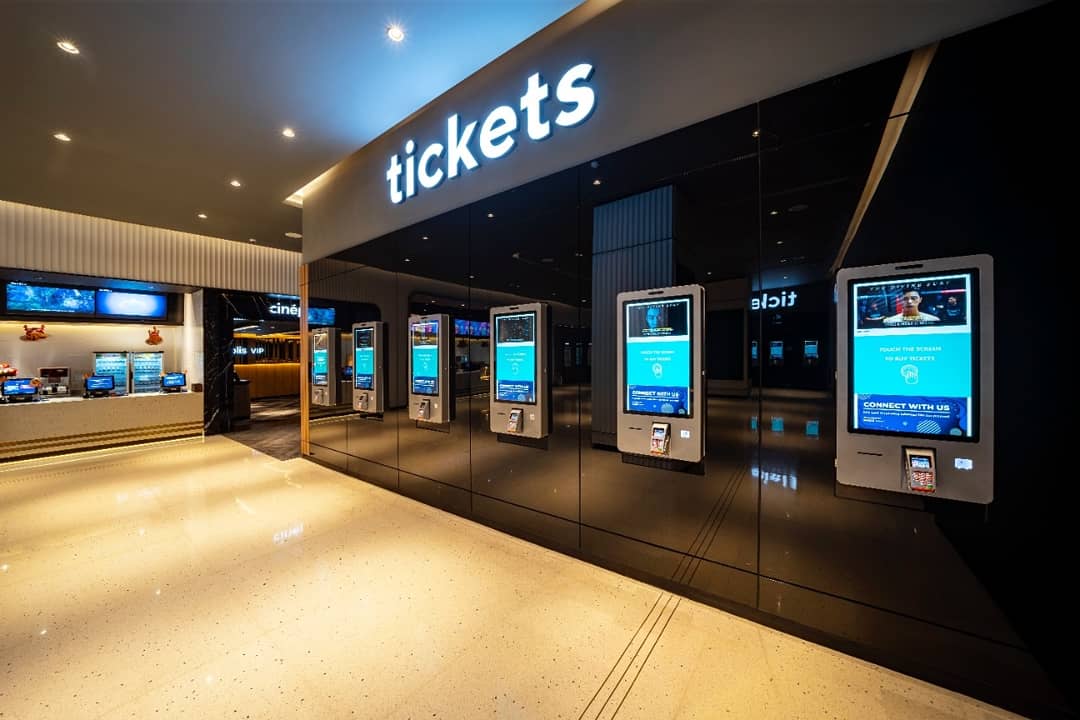
The Ticket Price Story Behind the Milestone
The revenue figures cannot be separated from what audiences actually paid to see the film. Tickets for Spider-Man: Brand New Day were reported at between N12,000 and N15,000 at some cinemas, compared with an average cinema ticket price of N5,959 in 2025, meaning the N2 billion revenue figure reflects not only the number of people who watched the film but also what audiences paid to see it. That distinction matters to the Nigerian cinema business because box office revenue depends on both attendance and ticket value, and premium pricing on a blockbuster release can inflate headline numbers even when the underlying audience base is not expanding proportionally.
This film's pricing sits at the extreme end of a broader, multi-year climb. Average ticket prices have risen sharply over the period, increasing from N2,824 in 2023 to N4,341 in 2024 and N5,959 in 2025, with the West Africa Box Office Year Book 2025 projecting the average ticket price to reach about N6,800 in 2026, reflecting both cost pass through and a strategic shift toward premium cinema experiences. Viewed over a longer horizon, the increase looks even steeper, since total gross box office has more than doubled from ₦6.4 billion in 2019 to ₦15.6 billion in 2025, driven in part by rising ticket prices, which have increased from an average of ₦1,238 to ₦5,959 over the same period.
Why Revenue Is Growing Faster Than Attendance
The broader industry data reveals a pattern that this Spider-Man run fits into rather than breaks from. Industry data indicates that 2026 will likely represent a year of consolidation for Nigerian cinemas, following several years of steady site and screen expansion, and audience growth is forecast to remain modest, with overall cinema admissions projected to rise from 2.6 million in 2023 to just 2.95 million in 2026, reflecting stabilising consumer behaviour amid persistent inflationary pressures. Despite that modest admissions growth, gross box office revenue rose from N7.36 billion in 2023 to N11.58 billion in 2024, before jumping 28% to N15.64 billion in 2025, with total box office takings projected to reach N20 billion in 2026, a trajectory that shows the sector's increasing reliance on higher ticket prices and event-driven releases rather than broader audience expansion.
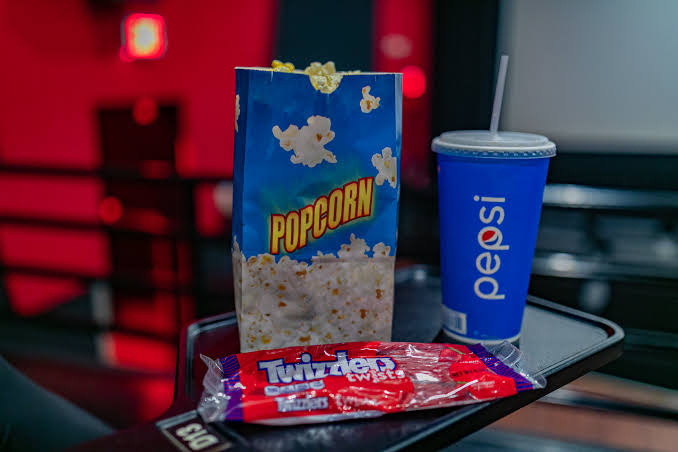
The underlying economics driving these increases are largely outside operators' control. Nigeria's inflation rate has pushed cinema operators to the edge with diesel prices and the cost of input for concession stand items like popcorn hitting a high, and Patrick Lee, the immediate past president of the Cinema Exhibitors Association of Nigeria, has defended the increases directly, stating "we are a business... Yes, our prices rose. But we can justify it... When we increase prices, it's due to government policy that leads to inflation."
The Structural Squeeze Behind Ticket Prices
Part of why Nigerian exhibitors lean so heavily on ticket price increases traces back to how revenue gets split once a film is in cinemas. In Nigeria, producers and cinemas have typically operated under a 40-40-20 profit sharing formula where a significant share of exhibition income goes to the theatre and the filmmaker, an arrangement that can leave many Nigerian filmmakers hardly able to recoup their production costs from a cinema run, pushing some toward streaming instead. That same pressure works in the opposite direction for exhibitors, since some cinema operators have responded to thin margins by venturing into production themselves or raising prices further just to stay afloat.
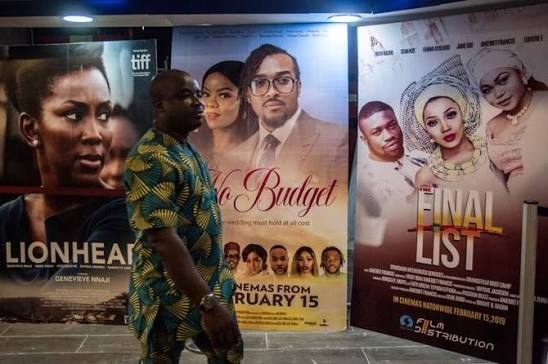
The result, some industry observers argue, is a genuine affordability ceiling. Average cinema ticket prices in Nigeria have increased by more than 300% since 2018, with a single ticket that cost ₦1,287 that year now costing over ₦5,900 in some markets, a shift that has coincided with audiences increasingly turning to free or low-cost alternatives like YouTube for Nigerian films rather than paying rising cinema prices.
Why It Matters
The tension at the heart of Nigeria's cinema boom is that two things are true simultaneously: the box office is growing, and Nigeria's audience base is not expanding at nearly the same pace. This matters because a business model built primarily on extracting more revenue from a relatively fixed pool of moviegoers, rather than growing that pool, is inherently more fragile during blockbuster lulls, when there is no premium-priced tentpole release to carry ticket averages upward. The screen infrastructure gap compounds this vulnerability, since the number of cinemas in Nigeria increased from 91 in 2023 to 107 in 2024, before climbing to 122 in 2025, representing a 14% year-on-year increase, but that expansion is occurring off a genuinely small base relative to Nigeria's population.
What Flipbz Thinks
Flipbz sees Spider-Man: Brand New Day's N2 billion run as both a genuine industry milestone and a useful stress test for how sustainable Nigeria's current cinema pricing model really is. A film capable of commanding N12,000 to N15,000 tickets, more than double the national average, demonstrates that a segment of Nigerian moviegoers will pay a premium for the right theatrical event, but that same pricing power is precisely what risks narrowing cinema-going into an occasional, event-driven habit for many households rather than a routine form of entertainment. The more important number to watch going forward is not this film's final gross, but whether admissions growth in 2026 and beyond can keep pace with ticket price growth, since a box office that expands mainly through price rather than participation is not the same thing as a genuinely growing cinema culture.
What to Watch
Industry watchers should track whether Nigeria's projected N20 billion box office figure for 2026 is driven primarily by a handful of premium-priced blockbuster releases or by broader admissions growth across the full slate of Nollywood and Hollywood titles. It is also worth watching whether exhibitors introduce more differentiated pricing tiers, allowing standard screenings to remain accessible even as premium formats command higher prices for major releases, and whether the projected slowdown in new cinema site openings in 2026 affects how quickly underserved regions gain access to theatrical entertainment at all.
The Bottom Line
Spider-Man: Brand New Day's record-breaking run is a genuine commercial win for Nigeria's cinema industry, but the ticket prices behind that milestone reflect a broader trend where box office revenue is climbing faster than the audience base paying for it. Whether Nigeria's cinema boom becomes a durable, broadly shared consumer habit or an increasingly premium, event-driven experience accessible mainly to those who can absorb rising prices will depend on whether exhibitors and distributors can find pricing models that grow attendance alongside revenue, rather than substituting one for the other.

Please register to comment.
With these components in place, your business...
SolidBase Builders Limited is a professionall...
PrimeStone Construction Nigeria Ltd is a well...
CrestRock Engineering Services Ltd is a scala...
Here is an optimized version of your Blade te...
Discover promising partnership opportunities in various industries.
Pitch Your Startup | Find Partners
.jpg)
.jpg)
.jpg)
.jpeg)



Comments