
.jpg "Unilever Nigeria’s Anti-Counterfeit Push Could Reshape Consumer Protection")
Written By: Flipbz.org
Unilever Nigeria has signed a Memorandum of Understanding with the Nigeria Customs Service to tackle counterfeit and illicit trade, with the agreement focused on intelligence sharing, product authentication, and ensuring only genuine products reach Nigerian consumers.
Counterfeit soap, detergent, and personal care products have quietly become one of the most persistent threats to Nigerian consumers and the legitimate businesses trying to sell around them. This week, one of the country's largest consumer goods manufacturers decided to formalize its fight against that threat with the one government agency positioned to intercept fakes before they ever reach a market stall.
What Happened
In a significant step towards protecting consumers, strengthening legitimate trade, and safeguarding Nigeria's economy, Unilever Nigeria Plc recently entered into a strategic partnership with the Nigeria Customs Service through the signing of a Memorandum of Understanding. The agreement establishes a structured framework for collaboration aimed at tackling counterfeit and illicit trade, improving supply chain visibility, and ensuring that only authentic and verified products reach consumers across Nigeria.
The MoU is not a vague statement of intent. Through this collaboration, Unilever Nigeria and the Nigeria Customs Service will work together on intelligence sharing, capacity building, product authentication, inspections, and other initiatives designed to strengthen enforcement and protect legitimate businesses. Comptroller-General Bashir Adewale Adeniyi added operational specifics, explaining that the MoU would establish a structured channel for the exchange of real-time information on trademarks, product identification features, packaging and product samples.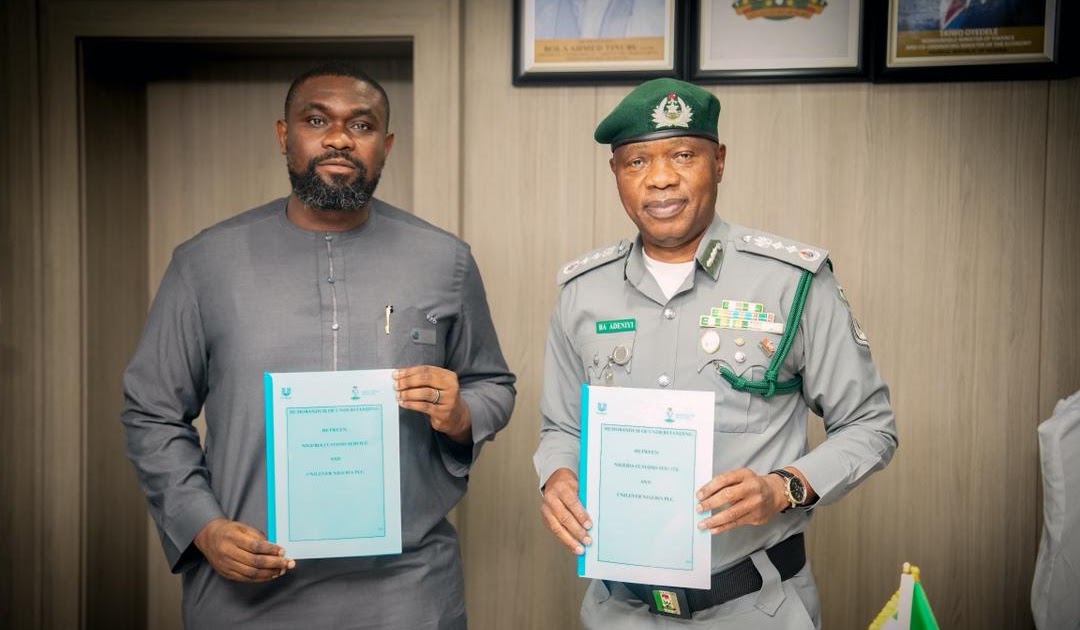
Both sides framed the signing in terms that went beyond routine corporate compliance. Unilever Nigeria Managing Director Tobi Adeniyi described the partnership as a critical milestone in the fight against counterfeits, warning that "counterfeiting poses a significant threat to public health, businesses, and the broader economy," and that "it undermines consumer trust and creates an uneven playing field for legitimate businesses." Comptroller-General Adeniyi echoed that framing from the government side, stating "the fight against counterfeiting and other forms of illicit trade cannot be won by one organisation acting alone," and adding that partnerships like this bring together the strengths of both the public and private sectors in pursuit of a common goal.
Why Counterfeiting Has Become a National Emergency, Not a Nuisance
To understand why a company like Unilever would formalize this level of cooperation with a border enforcement agency, it helps to look at how far counterfeiting in Nigeria has moved beyond its old reputation. There was a time when counterfeit products in Nigeria were treated almost humorously, with misspelled brands like "Abibas" or "Rolexx" seen as harmless imitations, but counterfeiters are no longer focused only on fashion items or luxury goods, and now target products people rely on to survive, including medicines, food, drinks, cosmetics and even bottled water.
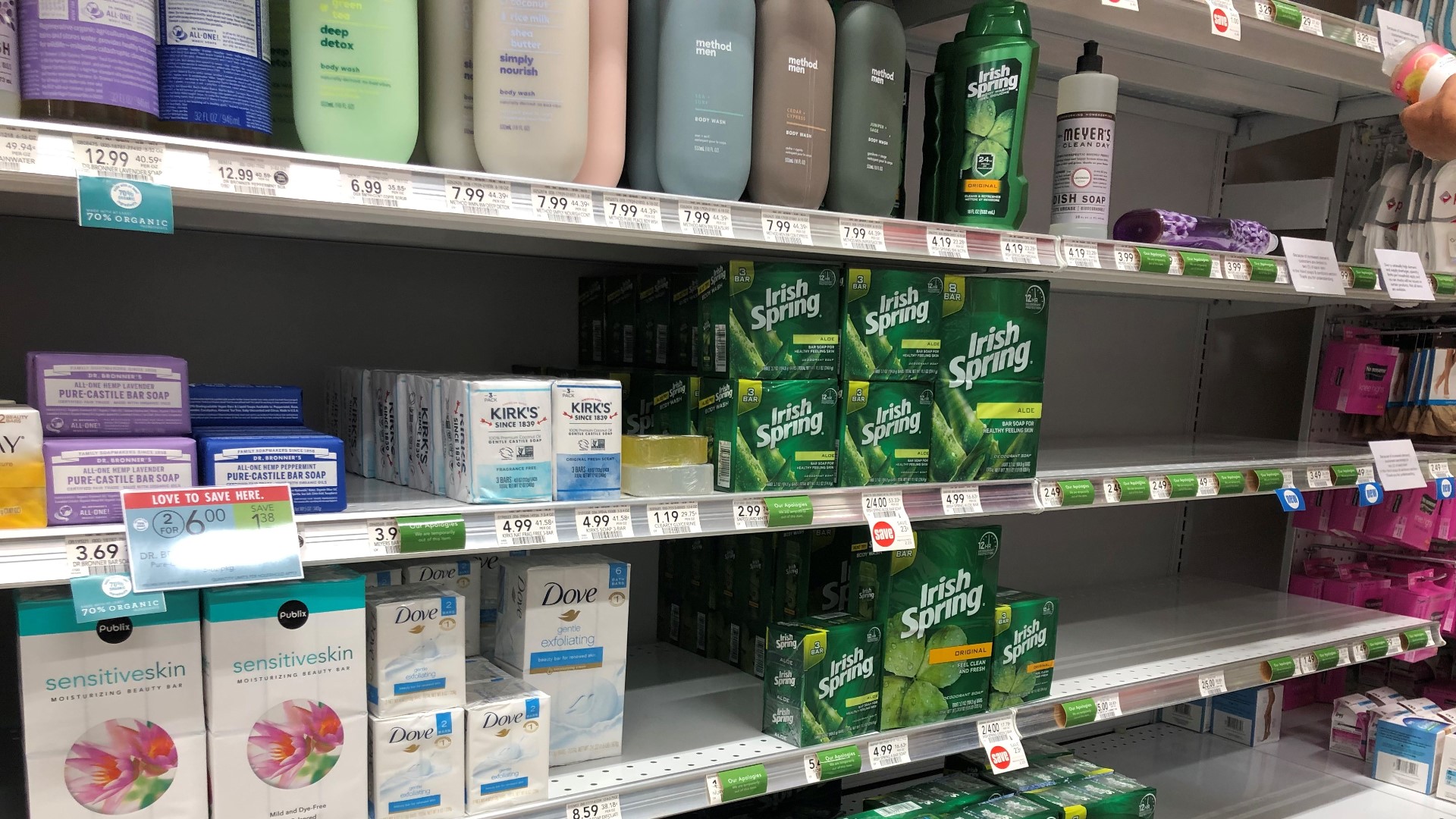
The scale of enforcement activity gives a sense of just how widespread the problem has become. Regulatory seizures in Lagos alone exceeded 4.5 million bottles of fake and substandard products in 2025, and nationwide estimates suggest that between 40% and 70% of drugs in some markets contain little or no active ingredient. A recent DAWN Commission report went further, finding that counterfeit goods now account for 40% of products in Nigeria, with the shadow economy representing 57.4% of GDP, approximately N1.489 trillion. That report also detailed a string of major NAFDAC seizures, including a February 2026 raid described as the Trade Fair "Death Warehouse," a seizure of "over 10 million doses of fake drugs worth N3 billion and capable of killing three million Nigerians."
The organized, industrial nature of the counterfeit supply chain compounds the risk for legitimate manufacturers like Unilever. Counterfeiting in Nigeria is no longer a small backyard operation, and has become highly organised and extremely profitable, with counterfeit alcohol producers importing industrial alcohol, recycling used bottles, and printing labels that closely resemble original brands so convincingly that even experienced sellers struggle to notice the difference. Investigators have found the practice embedded even deeper into supply chains than packaging fraud alone, with some reported raids discovering facilities producing genuine and counterfeit products side by side.
The Cross-Border Dimension Customs Is Positioned to Address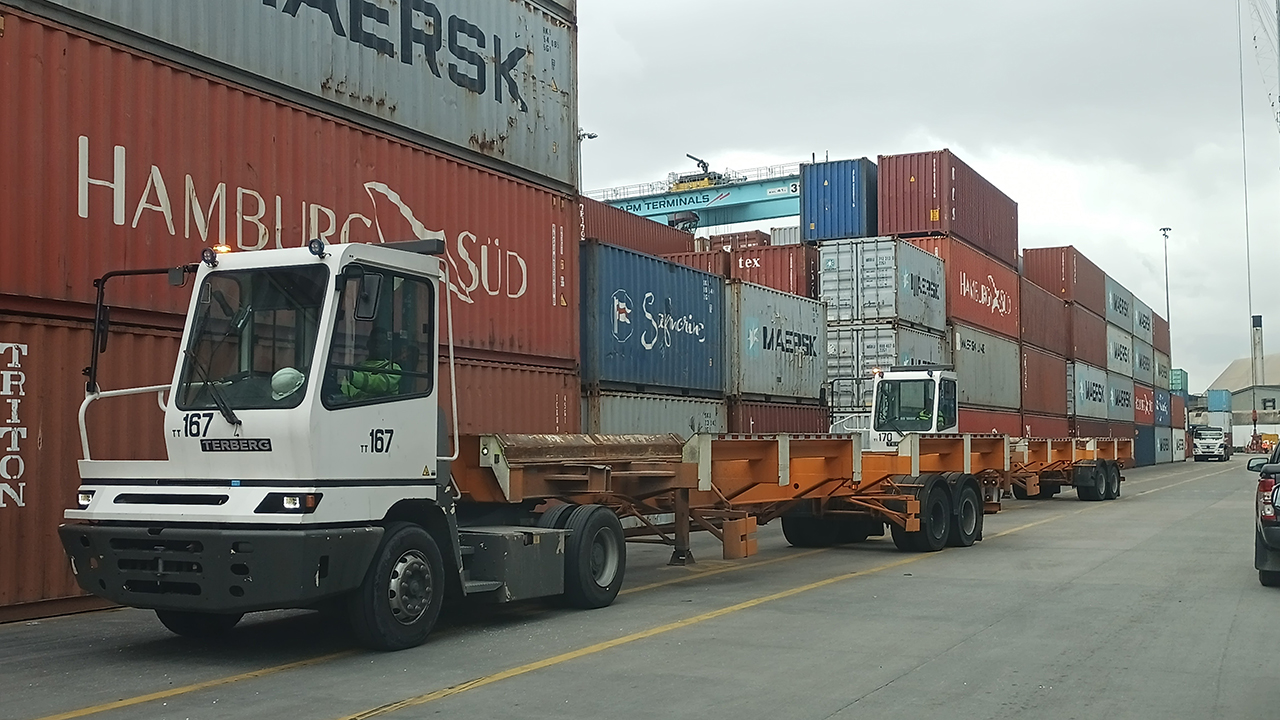
Part of what makes Nigeria Customs a natural partner in this fight is its position at the entry points where much of the counterfeit supply chain begins. Industry research has traced the source of much of this trade beyond Nigeria's borders entirely, identifying China as the major source of counterfeit and pirated products entering Nigeria, with many consignments routed through Dubai and entering through porous land borders including the Seme border with Cotonou and northern borders. That routing pattern explains why a manufacturer's internal brand protection efforts alone are insufficient, and why intelligence sharing with the agency controlling formal points of entry has become a priority for companies like Unilever.
Comptroller-General Adeniyi placed the Unilever agreement within a broader pattern of similar outreach, noting that the partnership demonstrated the Customs Service's commitment to deepening collaboration with the private sector to address challenges affecting trade and industrial development, and that engagements with private-sector stakeholders had continued to provide useful insights capable of influencing Customs policies and operational decisions. The Unilever MoU was signed alongside a separate agreement with the Fire Service, suggesting Customs is actively building out a network of sector-specific partnerships rather than treating this as an isolated gesture.
Why It Matters
Counterfeit products continue to pose serious risks to public health, undermine consumer confidence, distort competition, and erode government revenue, a combination of harms that touches nearly every stakeholder in Nigeria's consumer goods economy at once. For consumers, the stakes are immediate and personal, since Adeniyi emphasized that every Nigerian consumer deserves to know that the products they buy are safe, genuine and of the quality they expect. For Unilever and other legitimate manufacturers, the damage compounds over time in a way that is harder to reverse than a single bad quarter, since beyond the scale of the problem, the greater concern is the impact on long-term trust in brands, products, and the broader market system.
What Flipbz Thinks
Flipbz sees the Unilever-Customs MoU as a pragmatic, if incremental, response to a problem that has clearly outgrown what any single company's brand protection team can manage alone. The emphasis on real-time intelligence sharing on trademarks and packaging features is the most operationally meaningful part of the agreement, since it moves beyond public awareness campaigns toward giving border officials the specific product knowledge needed to flag suspect shipments before they reach distributors. The bigger test will be whether this kind of company-specific partnership can scale into a broader industry standard, given that the scope of Nigeria's counterfeit economy, spanning pharmaceuticals, cosmetics, alcohol, and household goods, is far larger than any single manufacturer's supply chain, and will likely require similar agreements across many more brands and product categories before enforcement gains outpace the sophistication of counterfeit operators.
What to Watch
Consumers and industry observers should watch for tangible enforcement outcomes stemming from this partnership, including whether Customs seizure data tied to Unilever product categories shows measurable increases in coming months. Equally worth tracking is whether other major FMCG manufacturers operating in Nigeria follow with similar Customs MoUs, and whether the broader push for a National Assembly response to counterfeiting, including prior calls from lawmakers to declare a state of emergency over the issue, gains further legislative traction.
The Bottom Line
The Unilever-Nigeria Customs partnership reflects a growing recognition that counterfeiting in Nigeria has moved well past a brand protection nuisance into a genuine public health and economic threat requiring coordinated action between government enforcement and private industry. Whether this specific MoU translates into measurably fewer counterfeit products on Nigerian shelves will depend on how effectively the promised intelligence sharing and joint inspections are executed, but the agreement itself signals that both government and industry now view the counterfeit problem as too large and too dangerous to fight separately.
Please register to comment.
With these components in place, your business...
SolidBase Builders Limited is a professionall...
PrimeStone Construction Nigeria Ltd is a well...
CrestRock Engineering Services Ltd is a scala...
Open the Listing model file located in the ap...
Discover promising partnership opportunities in various industries.
Pitch Your Startup | Find Partners
.jpg)
.jpg)
.jpg)
.jpg)
.jpg)

Comments