
Written By: Flipbz.org
As diesel prices surge more than 86 percent year on year and headline inflation climbs for a third straight month, Nigeria's quick service restaurant chains face a familiar squeeze: absorb the cost or pass it on to already stretched consumers.
Nigeria's fast food sector, long seen as a resilient pocket of consumer spending even during downturns, is reportedly facing renewed pressure as fuel and logistics costs climb sharply across the country. With diesel prices up more than 86 percent year on year and headline inflation accelerating for a third consecutive month, quick service restaurant chains are said to be absorbing higher costs for ingredients, transport, and power, forcing difficult decisions about menu pricing, portion sizes, and delivery economics.
What Happened
According to data from Nigeria's National Bureau of Statistics, the average retail price of diesel increased from N1,758.26 per litre in May 2025 to N3,277.47 in May 2026, representing an annual increase of 86.4 percent, the largest jump among the three petroleum products tracked by the bureau. Petrol prices also climbed sharply, with the average retail price standing at N2,971.94 per litre in May, up 36.62 percent from N2,175.29 recorded a year earlier.
These increases have fed directly into Nigeria's broader inflation picture. The country's annual inflation rate rose for a third straight month to 15.93 percent in May 2026, marking the highest reading since the previous November. Food inflation, the largest component of the inflation basket, accelerated for a fourth consecutive month to 17.8 percent, while transport costs rose 17.1 percent, with the increases partly driven by continued pass through from fuel prices.
For fast food operators, the pressure compounds at multiple points in the supply chain. Analysts have noted that higher transportation costs have made it more expensive to move, store, and sell food items, meaning nearly every ingredient that reaches a restaurant kitchen, from proteins to produce to packaging, now costs more to transport than it did a year earlier. One widely cited measure of everyday food costs, the price of preparing a pot of jollof rice, a Nigerian staple, climbed to N30,435 as of March 2026, according to SBM Intelligence, a figure that now exceeds 40 percent of the national minimum wage.
Restaurant and hotel prices, a category that captures dining out costs including fast food, have also moved sharply. Nigeria's restaurants and hotels inflation category registered 23.63 percent in June, moderating slightly from 24.04 percent the previous month but remaining one of the steepest categories in the entire inflation basket, according to Trading Economics data drawn from national statistics.
Why It Matters
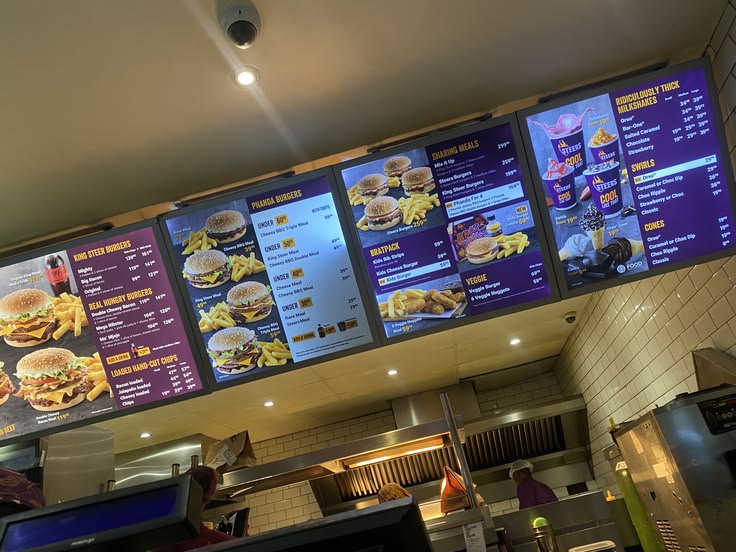
For everyday Nigerian consumers, the practical effect of these cost pressures is straightforward: fast food, once considered an affordable convenience for urban workers and families, is becoming a harder purchase to justify. As restaurant and hotel inflation runs above 23 percent while wages remain comparatively stagnant, quick service meals that once represented a modest indulgence now compete directly with grocery budgets for household spending.
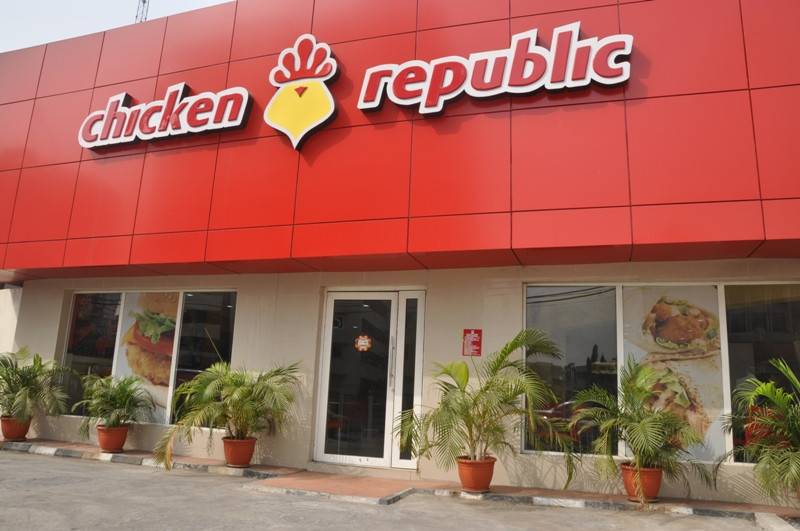
This matters not just for consumer wallets but for the fast food chains themselves. Nigeria's largest players, including Chicken Republic and other domestic and international brands, have historically relied on high transaction volumes and relatively thin margins to sustain profitability. When fuel and logistics costs rise this quickly, operators reportedly face a choice between raising menu prices, which risks losing price sensitive customers, or absorbing the costs internally, which compresses already tight margins. Neither option is comfortable, and the decision made by each brand will likely shape its competitive position over the next year.
Industry Context
Nigeria's broader food and logistics ecosystem has struggled with structural inefficiencies well before this latest fuel shock. Experts have pointed to the country's inefficient logistics system, which is estimated to cost Nigeria roughly N5 trillion annually, contributing to the loss of nearly 40 million metric tonnes of food before it reaches consumers. Weak transport infrastructure, multiple road checkpoints, rising fuel costs, and policy inconsistencies have been cited as key factors crippling the movement of goods, particularly agricultural produce, according to industry stakeholders speaking at a recent logistics conference.
The International Monetary Fund has also flagged Nigeria's exposure to these dynamics on the global stage. Speaking during the IMF and World Bank's 2026 Spring Meetings, the Fund's Director of the African Department noted that the impact of current global and regional shocks is already being felt across African economies, with Nigeria particularly exposed through rising logistics and transportation costs.
There are, however, some signs of longer term relief. The Central Bank of Nigeria's 2026 macroeconomic outlook projected that headline inflation would decelerate to 12.94 percent by the end of the year, down from an estimated 21.26 percent in 2025, as earlier monetary tightening filters through the economy and supply side pressures ease. The bank has also set a transitional inflation target range of 16.5 to 18.5 percent for 2026, narrowing further toward 13 to 15 percent by 2027, suggesting policymakers expect the current cost environment to moderate, even if the timeline remains uncertain for businesses making decisions today.

What Flipbz Thinks
Flipbz believes the chains that navigate this period most successfully will be those that treat logistics as a strategic function rather than a fixed cost to be passed through automatically. Brands that invest in delivery route optimization, consolidate supplier relationships to negotiate volume based freight contracts, and lean into local sourcing to reduce dependence on long haul ingredient transport are better positioned to protect margins without alienating price sensitive customers. Chains that rely purely on price increases risk a slower but steady erosion of footfall, particularly among younger, budget conscious consumers who have increasingly shifted toward food delivery platforms where every naira of delivery fee is scrutinized. In a market this cost sensitive, operational discipline, not just brand loyalty, will likely determine who thrives and who merely survives.
What Consumers & Investors Should Watch
Consumers should watch for menu price adjustments and portion size changes across major fast food chains in the coming months, as these often serve as early indicators of how deeply operators are absorbing rising costs versus passing them on. Investors and industry watchers, meanwhile, should track whether the Central Bank's projected disinflation actually materializes through the back half of 2026, since a genuine easing in fuel and transport costs would meaningfully improve margins for restaurant operators currently operating under pressure. Chains that begin publicly emphasizing local sourcing partnerships or delivery efficiency initiatives may also signal which brands are proactively managing this environment rather than simply reacting to it.
The Bottom Line
Nigeria's fast food chains are being tested by forces largely outside their control, from global energy shocks to structural logistics inefficiencies that predate the current crisis. How individual brands respond, whether through quiet price increases, operational restructuring, or genuine supply chain innovation, will likely determine not just quarterly earnings but long term consumer trust in a sector where affordability has always been part of the appeal.
Please register to comment.
With these components in place, your business...
SolidBase Builders Limited is a professionall...
PrimeStone Construction Nigeria Ltd is a well...
CrestRock Engineering Services Ltd is a scala...
Here is an opportunity to buy an established...
Discover promising partnership opportunities in various industries.
Pitch Your Startup | Find Partners
.jpeg)
.jpeg)
.jpeg)
.jpeg)
.jpeg)
.jpeg)



Comments