
.jpg "FX Volatility and Softer Consumer Spending Are Putting Nigeria’s Electronics Retailers Under Fresh Pressure")
Written By: Flipbz.org
Retailers selling smartphones, televisions, laptops, and home electronics are contending with higher import costs, exchange rate uncertainty, and more cautious consumer spending, creating a tougher environment for growth in Nigeria's electronics market.
Nigeria's consumer electronics market has always moved to the rhythm of the naira, but 2026 is proving to be a particularly uneasy year for the retailers selling smartphones, televisions, and household appliances to Nigerian consumers. Even as manufacturers keep shipping devices into the country in growing volumes, the combination of currency exposure, import costs, and a household budget that increasingly prioritises food and transport over gadgets is squeezing the retail businesses caught in the middle.
What Happened
The clearest warning sign for the sector so far in 2026 has come from pricing data on the smartphone segment, the largest and most closely watched category in Nigerian consumer electronics. The average smartphone selling price in the country rose to $134 in Q1 2026, up 2 percent year on year, according to industry analyst Pravinkumar Rajendran, who warned that this leaves the market highly exposed to even modest pricing adjustments. That exposure matters because of how concentrated Nigerian demand is at the bottom of the market, since phones priced below $150 account for more than 60 percent of smartphone volumes in the country, and four in five smartphones sold in Nigeria and across Africa were priced below $200.
That vulnerability is not hypothetical. Analysts have warned that Nigeria could see smartphone prices rise by up to 30 percent in 2026, with inflation eroding purchasing power and naira volatility raising import costs, warning that higher global device prices could further strain household budgets. The segment most at risk sits precisely where Nigerian retailers do the bulk of their volume business, since the most vulnerable segment is the $80 to $150 price band, with price increases in this category likely to push some consumers toward slightly higher tiers where financing is available, while others delay upgrades until late 2026 or even into 2027.
At the premium end of the market, the currency effect has already fully played out. By early 2026, naira depreciation, import costs, and dollar denominated pricing had combined to push flagship smartphones into a territory only a small fraction of Nigerian consumers can realistically access, with a Samsung Galaxy S26 starting at N1,280,000 and an iPhone 17 Pro Max priced above N2,700,000. Even the mid range category that once offered genuine value, between N300,000 and N600,000, now requires careful financial planning for most Nigerian households, a shift that has pushed retailer sales volumes further down toward budget devices under N200,000, where competition among Infinix, Tecno, itel, Samsung's Galaxy A series, and Xiaomi's Redmi line has intensified sharply.
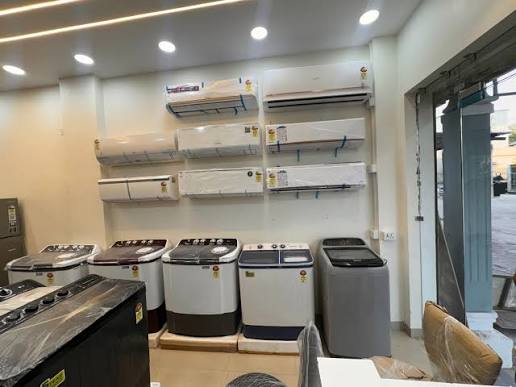
The pressure extends well beyond smartphones into the broader home appliance category, where the demand picture has been weaker for longer. Consumer appliances witnessed a second year of decline in volume sales over 2024, as soaring inflation and currency devaluation in Nigeria reduced consumer purchasing power, with consumers focusing on buying essential appliances and products deemed more affordable rather than discretionary upgrades. That contraction has been structural rather than a single bad year, with Nigeria's major home appliances industry recording a negative compound annual growth rate of 11.68 percent between 2020 and 2024. Retailers have responded by leaning into financing and installment options to keep big ticket appliances moving, since flexible payment plans allow consumers to buy appliances without paying a large amount upfront, directly supporting whatever growth the household appliances market has managed to retain.
Rising electricity tariffs have added a second, more specific pressure point reshaping what Nigerian consumers are willing to buy at all. Rising inflation and higher electricity tariffs are reshaping consumer spending patterns in Nigeria, with more households turning to energy saving appliances to reduce the impact of rising utility costs, with demand growing specifically for inverter powered refrigerators, air conditioners, and other low energy household electronics as consumers become more conscious of long term operating expenses rather than just the initial purchase price. Manufacturers have adjusted accordingly, with LG Electronics Nigeria among those expanding the availability of inverter powered refrigerators to meet that rising demand.
Why It Matters
The squeeze on electronics retailers matters because it reflects a broader reordering of Nigerian household budgets that is unlikely to reverse quickly. Forecasting work on Nigerian consumer spending patterns through the rest of the decade points to a broad shift, with categories including imported electronics and appliances expected to face continued pressure as the general trend for Nigerian consumers becomes downtrading and downsizing, purchasing lower priced alternatives, buying smaller quantities, and prioritizing local or regional products over international brands. For retailers whose business models were built around selling a widening range of premium and mid tier imported devices, that shift toward the cheapest viable option in every category compresses margins even when unit sales hold up.
Industry Context
Nigeria's experience mirrors patterns across other import dependent consumer categories in the country, where currency pass through happens almost immediately at the retail counter. Every electronics import into Nigeria carries the same structural cost exposure, since Nigerian Customs values shipments in naira at the prevailing exchange rate on the day of clearance, meaning currency movements between order placement and customs clearance can materially change a retailer's landed cost before a single unit reaches a shelf. On top of the base duty, importers face a cascade of additional charges including a 7 percent surcharge calculated on the import duty itself, along with other statutory levies, all of which compound the currency exposure embedded in each shipment.
Despite the demand headwinds, the category has not been written off entirely by market researchers. Even amid broader softness, some segments are viewed differently by consumers, since categories such as smartphones, smart wearable electronics, wireless earbuds, wireless speakers, and televisions are seen as more essential and needed for replacement as technology advances, distinguishing them from more discretionary appliance purchases that households are more willing to defer.
What Flipbz Thinks
Flipbz sees Nigeria's electronics retail sector entering a familiar but intensifying cycle, one where currency volatility forces retailers to choose between passing costs onto price sensitive consumers or absorbing margin compression to protect volume. The bifurcation in the market is the most important trend to watch, as premium devices priced in the millions of naira are increasingly reserved for a shrinking pool of affluent buyers, while the overwhelming majority of retail activity concentrates in the sub N200,000 and sub $150 segments where competition among Chinese manufacturers is fiercest and margins are thinnest. Retailers who lean further into financing options and energy efficient product lines appear better positioned to sustain volume than those relying on discretionary upgrade demand, particularly in the appliance category where the shift toward inverter technology reflects genuine changes in how Nigerian households evaluate purchases.
What Consumers & Retailers Should Watch
Consumers should watch for continued upward pressure on smartphone prices through the rest of 2026, particularly in the sub $150 category that analysts have flagged as most exposed to currency driven adjustments. Retailers and industry watchers should track whether financing and installment plans continue expanding as a share of electronics sales, since that shift has become one of the primary tools keeping big ticket purchases accessible to Nigerian households navigating tighter budgets.
The Bottom Line
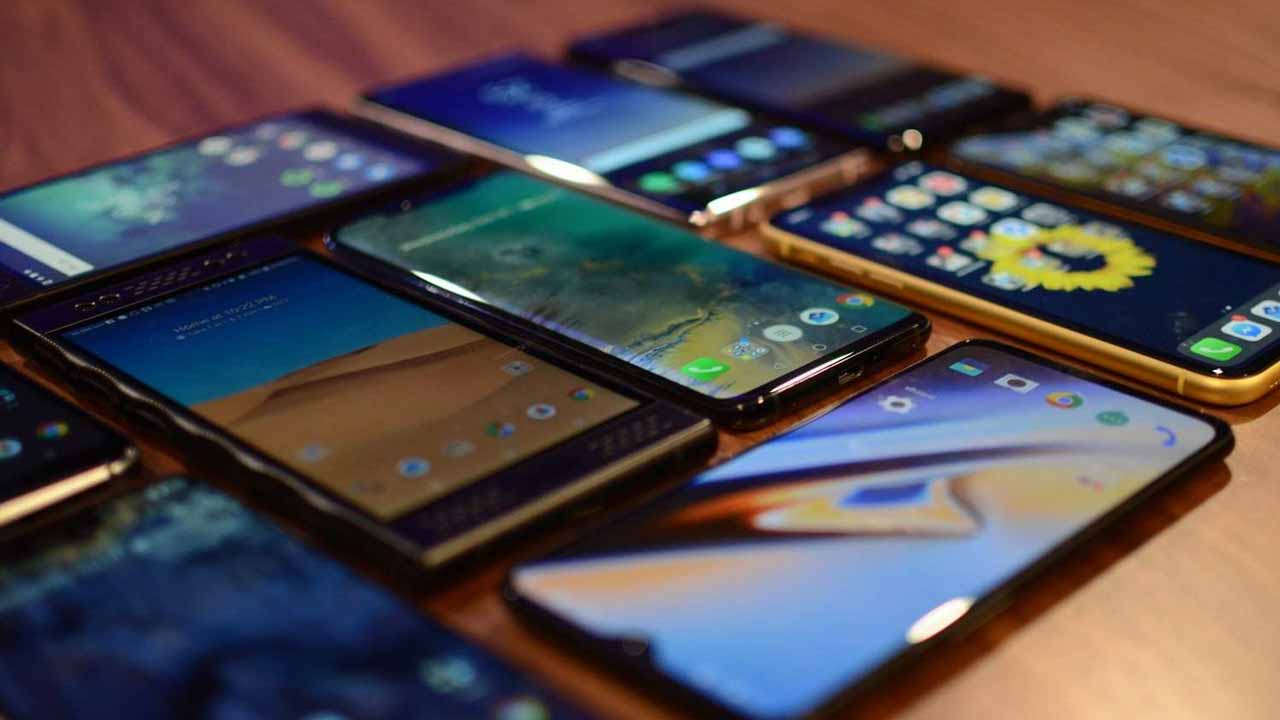
Nigeria's consumer electronics retailers are navigating a market where currency volatility, import costs, and softening household demand are converging at once, forcing both pricing and product mix decisions that were less urgent just a few years ago. Whether the sector can sustain volume by leaning further into financing, energy efficient products, and budget tier devices will determine how much of this pressure gets passed on to consumers versus absorbed by the retailers and importers standing between global manufacturers and Nigerian households.

Please register to comment.
With these components in place, your business...
SolidBase Builders Limited is a professionall...
PrimeStone Construction Nigeria Ltd is a well...
CrestRock Engineering Services Ltd is a scala...
Here is an oppotunity to buy a money machine,...
Discover promising partnership opportunities in various industries.
Pitch Your Startup | Find Partners

.jpeg)
.jpeg)

.jpg)


Comments