
Written By: Flipbz.org
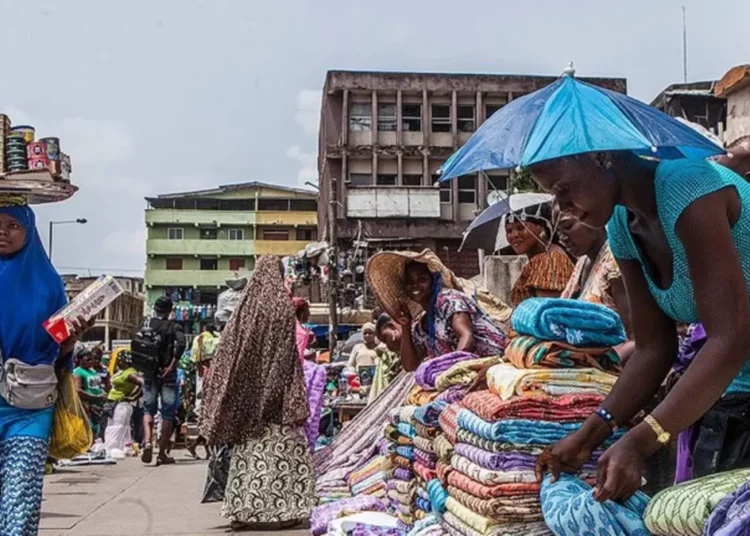
In the heart of Nigeria's teeming urban centers, vibrant roadside stalls burst with color and commerce, hawking everything from ripe mangoes and steaming hot meals to secondhand clothes and kitchen essentials. Yet beneath this lively scene lies a mounting crisis. As traders spill onto sidewalks, bridges, and busy thoroughfares, public spaces groan under the weight, sparking calls from specialists for swift action to rein in the sprawl.
The toll on city life is stark and multifaceted. Narrowed lanes breed gridlock that stretches for hours, turning routine commutes into endurance tests. Pedestrians dodge hazards on roadsides, heightening the risk of collisions, while unchecked litter clogs gutters and invites seasonal deluges. Vehicles crawl through the melee, guzzling extra fuel and spewing fumes that thicken the air. Over time, this relentless pressure erodes pavements, strains bridges, and amplifies cleanup costs for overburdened municipal teams.
Take the stories of those who sustain these makeshift economies. A fruit vendor named Mariam along a bustling corridor recalls how her modest setup of oranges keeps her family afloat amid lean times. "It's tough out here, but it puts food on the table," she shares, echoing the sentiments of countless others who view the streets as their only foothold in a job-starved landscape. For many, like a garment seller known as Iya Miniras, the appeal is simple: no hefty rents, the freedom to set their own hours, and a steady trickle of cash. Still, the downsides bite hard, from scorching days and sudden downpours to abrupt crackdowns by authorities that scatter livelihoods overnight.
Hotspots like commercial hubs and transit nodes bear the brunt, where clusters of sellers transform orderly walkways into improvised bazaars. Environmental advocates paint a grim picture of the fallout. "This isn't just clutter; it's a full-blown headache for city upkeep," says Godwin Agholor, a veteran in waste management. He points to how discarded peels, wrappers, and scraps choke waterways, worsening floods and fouling the very spots where life unfolds. A top planner, speaking off the record, adds that such disorder hampers quick responses to crises and unravels the fabric of urban flow.
Legal measures, including a longstanding ban on roadside vending, offer a framework for control, but enforcement often feels like a game of whack-a-mole. Officials round up violators, only for the markets to rebound stronger. Why? Formal venues come with steep fees that price out the very people they aim to help, as one vendor at a lively interchange laments: "Those indoor spots? They're for folks with deeper pockets." Waste handlers on the front lines nod in agreement, hauling away heaps of debris daily from sites lacking even basic bins, all while navigating the human cost of their work.
Voices from the field urge a smarter path forward, one that marries compassion with structure. Urban strategist Dr. Adetayo lays out a trio of fixes: carving out designated mini-markets in high-traffic zones, tracking vendors through simple ledgers, and rolling out awareness drives to foster cleaner habits. "It's about guiding the energy, not stamping it out," he explains. Public commentator Ken Iwuoha chimes in, highlighting the dangers to all involved, from knocked-over carts to snarled emergency routes. "Governments must build real options, like budget-friendly stalls and loans, or the cycle spins on."
Health experts and consumer watchdogs echo the plea for balance. "Our megacities thrive on grit, but survival can't trump safety," notes practitioner Gloria Ogbu. Fellow advocate Luke Onyia envisions a roadmap of low-barrier trading zones, community input in designs, steady policing without the heavy hand, and lessons on green practices. Even agency insiders concede the nuance: "Hardship is real, but so is the need for rules that stick," says a senior environmental operative.
At its core, this street-level hustle embodies a gritty paradox: a lifeline for the underserved in an economy that leaves many behind, yet a silent saboteur of the shared spaces that bind communities. Without bold shifts toward inclusive hubs and supportive policies, the vibrant disorder risks tipping into outright dysfunction. The message from the experts is clear: It's time for states to step up, weaving empathy into enforcement to reclaim roads for all.

Please register to comment.
With these components in place, your business...
SolidBase Builders Limited is a professionall...
PrimeStone Construction Nigeria Ltd is a well...
CrestRock Engineering Services Ltd is a scala...
Open the Listing model file located in the ap...
Discover promising partnership opportunities in various industries.
Pitch Your Startup | Find Partners










Comments