
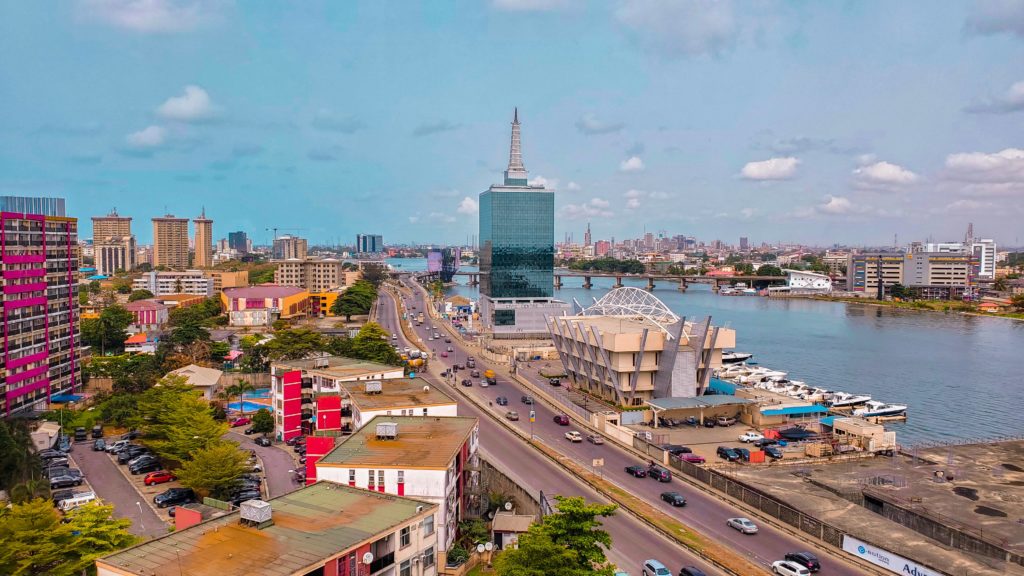
Written By: Flipbz.org
Nigeria and South Africa have scored a major victory by stepping off the Financial Action Task Force's infamous grey list, a move that promises to slash costs for money transfers and draw fresh waves of foreign cash into these economic giants. The Paris-based global watchdog, which polices efforts against money laundering and terror financing, lifted the "increased monitoring" label from the duo, alongside Mozambique and Burkina Faso. This comes after years of scrutiny that had spooked investors and jacked up fees for cross-border deals.
Both nations landed on the list back in February 2023, hit with demands to beef up their defenses against illicit funds. For Nigeria, the stakes were sky-high: the country pulls in a whopping $20 billion each year from remittances sent home by its diaspora. That lifeline, vital for families and small businesses, had grown pricier under the grey-list shadow, as banks and payment firms layered on extra checks to dodge penalties. Now, with the cloud lifted, experts predict smoother, cheaper flows that could supercharge everyday spending and local growth.
Finance Minister Wale Edun couldn't hide his enthusiasm, telling reporters the delisting would "smooth out cross-border payments and ramp up capital inflows, including direct investments from abroad." He framed it as a green light for the world: Nigeria's financial setup is robust, open, and worthy of trust on the global stage. Echoing that vibe, President Bola Tinubu hailed the moment as a "pivotal win" in the country's push for solid reforms, better governance, and a spotless international rep. "This underscores our rock-solid dedication to financial openness worldwide," he added in an official release.
Over in South Africa, the news has markets buzzing with cautious optimism. The rainbow nation's government rolled out tough new rules on money laundering to meet FATF benchmarks, paving the way for this clean slate. Officials there are already eyeing the next big checkup in April 2027, when the task force rolls out sharper tools to gauge transparency and compliance. For now, though, it's a pat on the back that spotlights real progress amid broader economic tweaks.
The ripple effects stretch far beyond borders, especially for Africa's buzzing fintech scene. Grey-listing had forced startups and banks into a compliance grind, hiking costs and scaring off global partners wary of the red tape. Nigeria's central bank, for one, has cranked up know-your-customer protocols and license reviews since last year, slowly rebuilding bridges with overseas lenders who had pulled back. Fintech players, from mobile money apps to digital wallets, stand to gain big: lower risks mean leaner operations, easier hooks into international networks, and a shot at pulling in more venture bucks.
FATF's latest tweaks, under chair Elisa de Anda Madrazo from Mexico, aim to level the playing field by holding big players accountable without overwhelming smaller economies. For Nigeria and South Africa, it's proof that grinding through reforms delivers. As these heavyweights reclaim their financial footing, expect a thaw in investor jitters and a surge in deals that could redefine Africa's place in the global money game.
Please register to comment.
With these components in place, your business...
SolidBase Builders Limited is a professionall...
PrimeStone Construction Nigeria Ltd is a well...
CrestRock Engineering Services Ltd is a scala...
Open the Listing model file located in the ap...
Discover promising partnership opportunities in various industries.
Pitch Your Startup | Find Partners






Comments